
Browns Start Brook Park Stadium Project Set For 2029
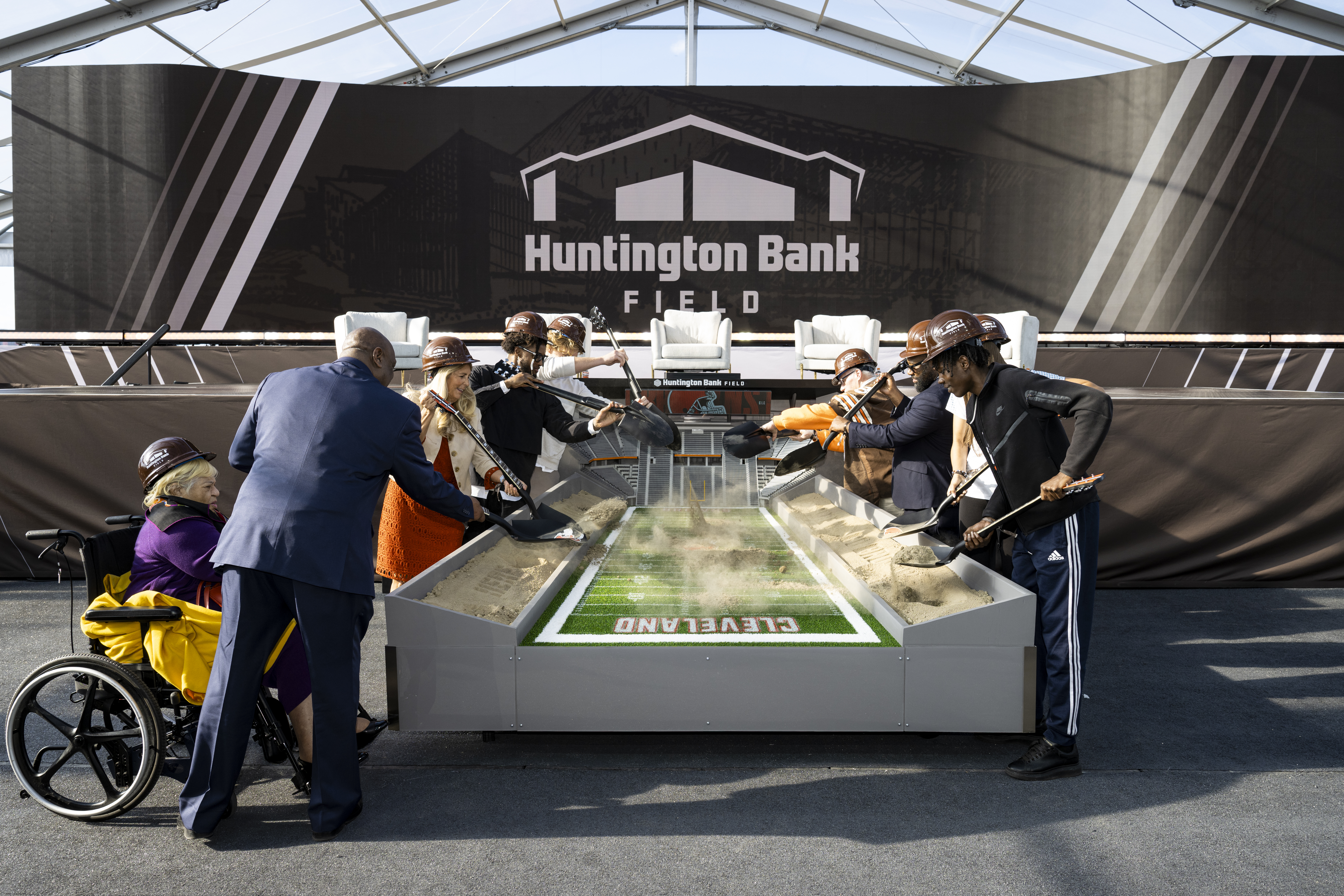
BROOK PARK, Ohio. The Cleveland Browns and Haslam Sports Group formally started construction Wednesday on a new enclosed Huntington Bank Field in Brook Park, setting a 2029 target for the franchise's move into a stadium tied to a larger mixed-use district.
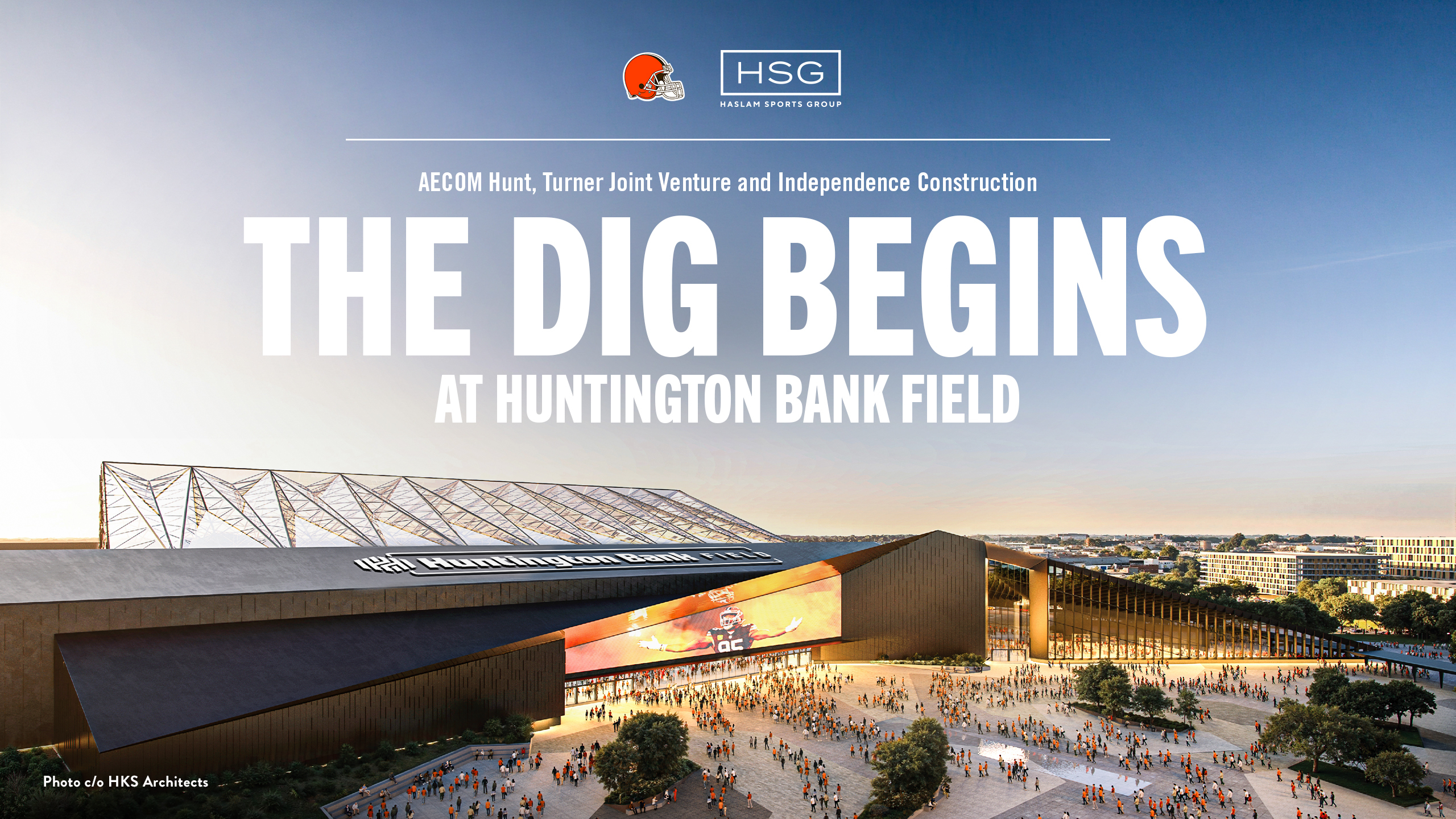
The club said Haslam Sports Group, AECOM Hunt, Turner Construction Company and HKS announced the start of the project at the new site. The Browns described the stadium and surrounding district as Northeast Ohio's largest economic development project to date.
The venue is not just a replacement for the team's current lakefront home. According to the Browns' official releases, the Brook Park plan combines NFL facility construction, private development, transportation planning, year-round event recruitment and local labor commitments into one of the region's biggest sports infrastructure bets.
The Story So Far
Haslam Sports Group scheduled the ceremony for April 30 and said it would include Dee Haslam, Jimmy Haslam, NFL Commissioner Roger Goodell, Ohio Gov. Mike DeWine, Browns executives, coaches and players. The team said the event focused on fan experience, economic impact and the new game-day atmosphere planned for the enclosed building.
The Browns said the new stadium will become the club's home starting with the 2029 season. The team also said the enclosed stadium and Phase 1 of the surrounding mixed-use development are scheduled to open in 2029.
The site sits in Brook Park, near Cleveland Hopkins International Airport and the I-71 corridor. A Northeast Ohio Areawide Coordinating Agency project review describes the former Ford Plant site as a 175-acre location proposed for a Cleveland Browns domed stadium and mixed-use development.
What's Happening Now
The Browns said Wednesday's ceremony marked the official start of construction. AECOM Hunt and Turner Construction Company are overseeing construction, while HKS designed the stadium, according to the team's release.
The club said the stadium will include a transparent roof, flexible capacity, a modernized Dawg Pound and what it described as a long-span roof without a truss. The Browns said the venue will be able to host Browns games, NCAA Final Fours, international soccer matches and concerts for crowds of up to 75,000.
The Browns also said the project will include a mixed-use entertainment district led by Lincoln Property Company. The team framed that district as part of a plan to keep the franchise in Northeast Ohio for decades.
The construction work had already begun moving from planning into earthwork. In a March excavation update, the Browns said mass excavation had started at the Brook Park site and that the team was preparing for the formal ceremony at the end of April.
What Supporters Are Saying
Haslam Sports Group is presenting the stadium as a long-term commitment to Northeast Ohio. Dee and Jimmy Haslam said the project is meant to serve fans, create jobs and support events beyond football.
"Our family is deeply committed to Northeast Ohio and we know our community deserves this stadium and transformative project." - Dee and Jimmy Haslam, Haslam Sports Group managing and principal partners
"The new Huntington Bank Field will be an economic catalyst for our region, delivering best-in-class fan experiences and exciting events throughout the year." - Dee and Jimmy Haslam, Haslam Sports Group managing and principal partners
Construction partners are making a similar case. Ken Johnson, COO for AECOM Hunt's Central Region, said the building is designed for both NFL games and other large events.
"As one of the largest construction projects in the history of Northeast Ohio, the new Huntington Bank Field will deliver an unparalleled experience for football fans while featuring the flexibility to host a variety of large-scale, blockbuster events that will generate significant economic growth and attract more audiences to the region than ever before." - Ken Johnson, COO, Central Region, AECOM Hunt
Turner Construction's Taurean Spratt said the project is also aimed at local business participation and long-term development around the stadium.
"The new Huntington Bank Field will redefine the football fan experience and raise the bar even higher for sports and entertainment venues around the world." - Taurean Spratt, vice president and general manager, Turner Construction Company
The Public-Finance Watch Item
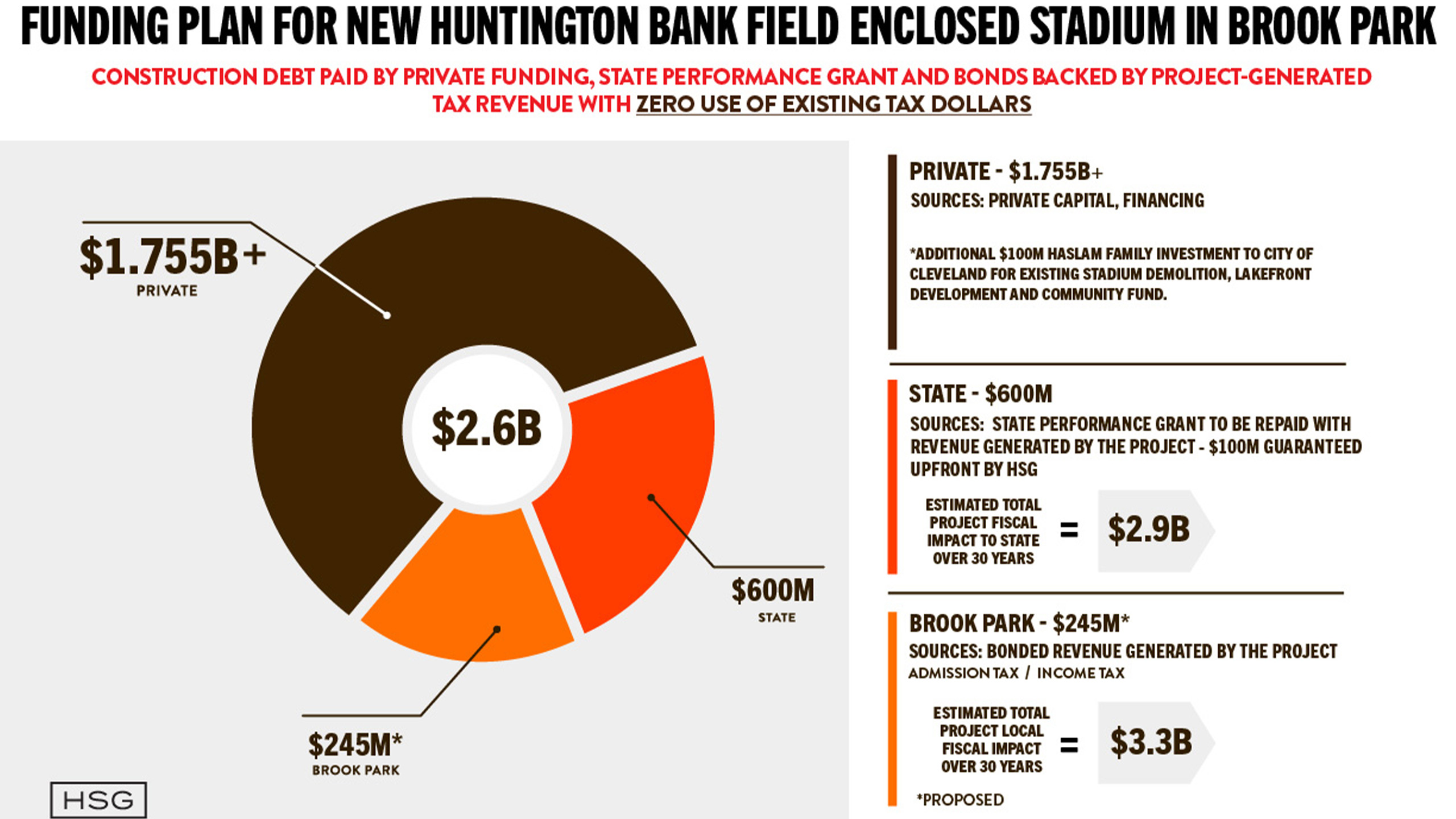
The Browns' official releases emphasize private capital, construction jobs and event recruitment. Public officials and local planners are also part of the broader stadium discussion because a project of this scale affects roads, airport-area traffic and municipal development plans.
Ohio law gives a political subdivision a role when a professional sports team uses a tax-supported facility and receives financial assistance from the state or a political subdivision. Ohio Revised Code Section 9.67 says a team owner covered by the statute cannot stop playing most home games at the tax-supported facility and begin playing most home games outside Ohio unless the owner enters an agreement with the political subdivision or provides notice and a purchase opportunity. The current version of the law also says certain expired lease or operating agreements can satisfy the local-agreement requirement when the new facility remains in Ohio.
NOACA's project review shows how the stadium district connects to broader public infrastructure questions. The agency's Brook Park review listed an estimated total cost of $82.15 million for public infrastructure improvements and said the project sponsor, the City of Brook Park, connected the road work to several initiatives near the airport, including the proposed $3.4 billion stadium and mixed-use district. NOACA also said its board previously declined to recommend and rank the project before a full project planning review because it lacked enough information at that stage.
Economic Implications
The Browns said Haslam Sports Group and its development partners are investing more than $2 billion in private capital in the new stadium and adjoining mixed-use development. The team's excavation release said the total project represents $3.4 billion in economic development.
The Browns also said the $2 billion private figure includes at least $1.2 billion from Haslam Sports Group toward construction of the enclosed stadium, plus cost overruns. That structure matters because stadium projects often shift from sports stories into public-budget stories once roads, utilities, land use and tax questions enter the plan.
The jobs case is central to the team's pitch. The Browns said the project will create more than 6,000 construction jobs and thousands of additional full-time positions across the stadium and adjacent development. AECOM Hunt and Turner said in the team's excavation release that at least 75 percent of total workforce hours on the stadium will be performed by local residents.
The event strategy is the second economic pillar. The Browns say the enclosed building is being designed to host NCAA Final Fours, international soccer, concerts and other large events for up to 75,000 attendees. If that schedule materializes, the project's economic effects would extend beyond eight or nine regular-season NFL home games.
The location also puts transportation capacity near the center of the plan. NOACA's review says the public infrastructure proposal would improve traffic flow in an economic-development area about a half mile east of Cleveland Hopkins International Airport and directly west of the I-71/Snow Road interchange. That means stadium operations, airport access and daily commuter traffic will be measured against the same road network.
By The Numbers
The Browns say the stadium will open for the 2029 NFL season.
Haslam Sports Group and development partners are investing more than $2 billion in private capital, according to the Browns' excavation release.
The team describes the stadium and surrounding district as $3.4 billion in total economic development.
The Browns say the stadium will seat 67,500 for football and can host events for up to 75,000.
AECOM Hunt and Turner said at least 75 percent of total workforce hours will be performed by local residents.
What Comes Next
The Browns said construction will continue toward a 2029 opening for the enclosed stadium and Phase 1 of the mixed-use development. The team is building the project around a year-round event model, which means the next milestones will include construction progress, transportation approvals, tenant and event recruitment, and the final transition plan from the current stadium.
The public side of the project will remain important as Brook Park, regional planners and Ohio officials handle infrastructure decisions around the site. The team's central claim is that private capital and a multipurpose event calendar can make the stadium a regional development engine. The measurable test will be whether the promised jobs, local workforce hours, road capacity and year-round events arrive on the timeline the Browns have set.
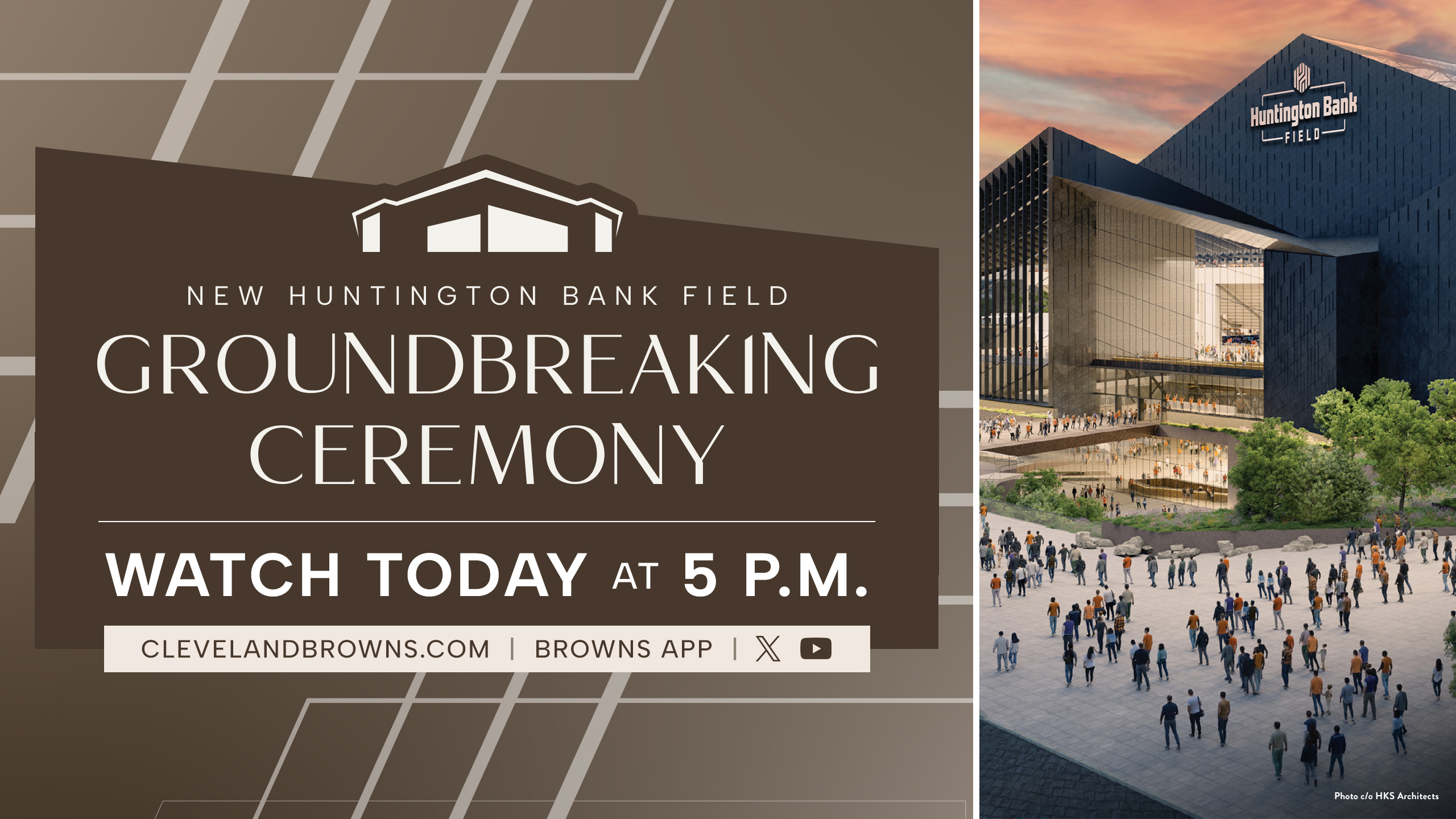 Graphic via Cleveland Browns (fair use)


