Tucker Carlson Compares Ted Cruz And Nick Fuentes In Interview
Tucker Carlson Compares Ted Cruz And Nick Fuentes In Interview
Washington, D.C. - Tucker Carlson accused Sen. Ted Cruz of being more morally repulsive than Nick Fuentes in an interview excerpt, arguing that Cruz's power as a U.S. senator makes his foreign-policy positions more consequential than extremist speech from a private figure.
The exchange, reviewed through a transcript of the posted video excerpt, centers on Carlson's criticism of Cruz's support for Israel and U.S. policy in the Middle East. Carlson did not cite a specific Cruz vote in the excerpt, so the claim should be understood as Carlson's allegation against Cruz, not as an established description of Cruz's words.
What Happened
Carlson framed the comparison around political power. According to the transcript, Carlson said, "Ted Cruz is a sitting U.S. senator who has called for the killing of people who did nothing wrong."

Carlson then contrasted Cruz with Fuentes, a far-right commentator whom the interviewer described in the excerpt as "a white nationalist who has denied the holocaust." Carlson said Fuentes "has no power except his words," while Cruz is "voting for things" and "making policy decisions."
The transcript shows Carlson using the exchange to argue that public officials should face harsher scrutiny when their policy choices affect civilian life abroad. "If there's tape of Nick Fuentes saying we should kill people because we hate their parents or it's okay to kill children, I would love to see the tape because that's disgusting," Carlson said. "And that's basically the entire U.S. Senate does every single day no one notices."
The interviewer's challenge focused on the danger of minimizing Fuentes. The transcript records the interviewer telling Carlson that Fuentes is a white nationalist who has denied the Holocaust, then arguing that dehumanizing language can precede violence.
Cruz's Record On Israel
Cruz's Senate office has repeatedly framed Israel as a close U.S. ally and said American support for Israel is tied to American national security. In a Senate office statement with Sen. Rick Scott and other Republican senators, Cruz said Israel has "not just the right but the obligation to defend its citizens and its territory" against Hamas.
That statement also said the United States should stand "shoulder-to-shoulder with Israel," and Cruz criticized pressure on Israel to use restraint. The office described Hamas as an Iranian-backed terrorist organization and said Israel's security is closely connected to American national security.
In a separate Senate office statement on the STOP Using Human Shields Act, Cruz said groups including Hamas and Hezbollah use civilians as human shields. "The United States should hold accountable the monsters who commit these war crimes," Cruz said, according to the release.
Congress.gov records show the Senate passed Resolution 417 in 2023, which reaffirmed Israel's right to self-defense after Hamas's Oct. 7 attacks and called on Hamas to stop its attacks. Congress.gov also records H.R. 8034 as the 2024 Israel Security Supplemental Appropriations Act, the legislative vehicle for additional Israel security assistance.
The Response
Carlson's argument reflects a growing split on the right over Israel, U.S. military commitments and the limits of acceptable speech inside conservative media. His side of the debate says elected officials should be judged by the civilian consequences of policies they support, especially when Congress funds weapons, sanctions or military operations abroad.
Cruz's public record reflects the opposing Republican argument: Israel is a strategic ally, Hamas and Hezbollah deliberately endanger civilians, and U.S. support for Israel strengthens American security. Cruz's office has argued that civilian deaths should be viewed in the context of terrorist groups' human-shields tactics.
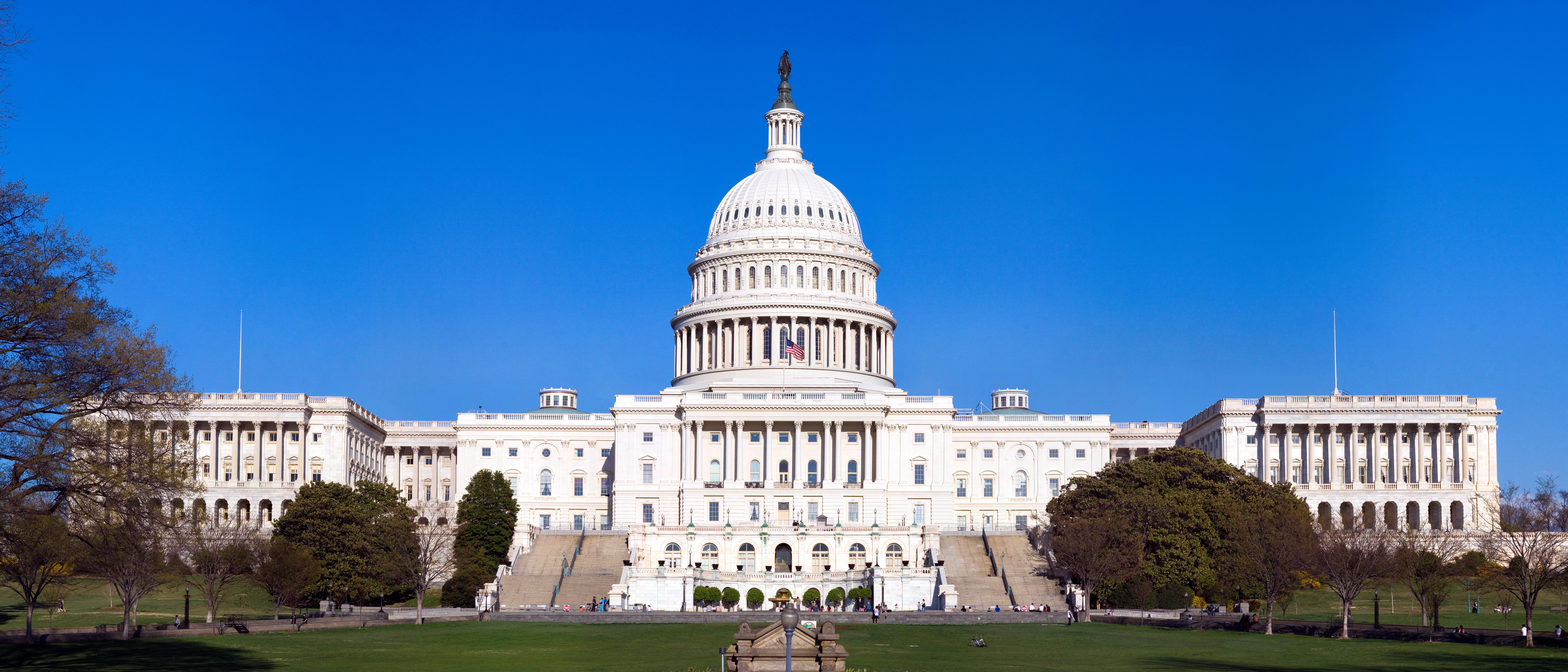 Photo: U.S. Government image via Wikimedia Commons (public domain)
A third perspective focuses on Fuentes and political extremism. The interviewer pressed Carlson by identifying Fuentes as a Holocaust denier and warning that dehumanizing language matters even when the speaker does not hold office. That argument treats extremist rhetoric as a public danger even when it comes from outside government.
What People Are Saying
"Ted Cruz is a sitting U.S. senator who has called for the killing of people who did nothing wrong," Carlson said in the interview excerpt, according to the transcript.
"Here you have a public official who has actual power, who's voting for things, who's making policy decisions," Carlson said, according to the transcript.
"He's a white nationalist who has denied the holocaust," the interviewer said of Fuentes, according to the transcript.
"Israel has not just the right but the obligation to defend its citizens and its territory," Cruz said in a Senate office statement on Israel and Hamas.
"The United States should hold accountable the monsters who commit these war crimes," Cruz said in a Senate office statement on legislation targeting the use of human shields.
The Big Picture
The dispute is not only about Carlson, Cruz or Fuentes. It is about how conservative politics handles the collision between free speech, antisemitism, Israel policy and the human cost of war.
For American voters, the stakes are concrete. Congress controls military aid, sanctions, arms transfers and oversight, while media figures shape how those decisions are discussed. Carlson's criticism puts civilian casualties at the center of the argument; Cruz's record puts allied defense and counterterrorism at the center.
What happens next depends on whether Cruz responds directly to Carlson's latest remarks and whether the interview produces a broader Republican fight over Israel policy before the 2026 midterm cycle intensifies.