
Greene Says Shutdown Blocked Epstein Files Vote
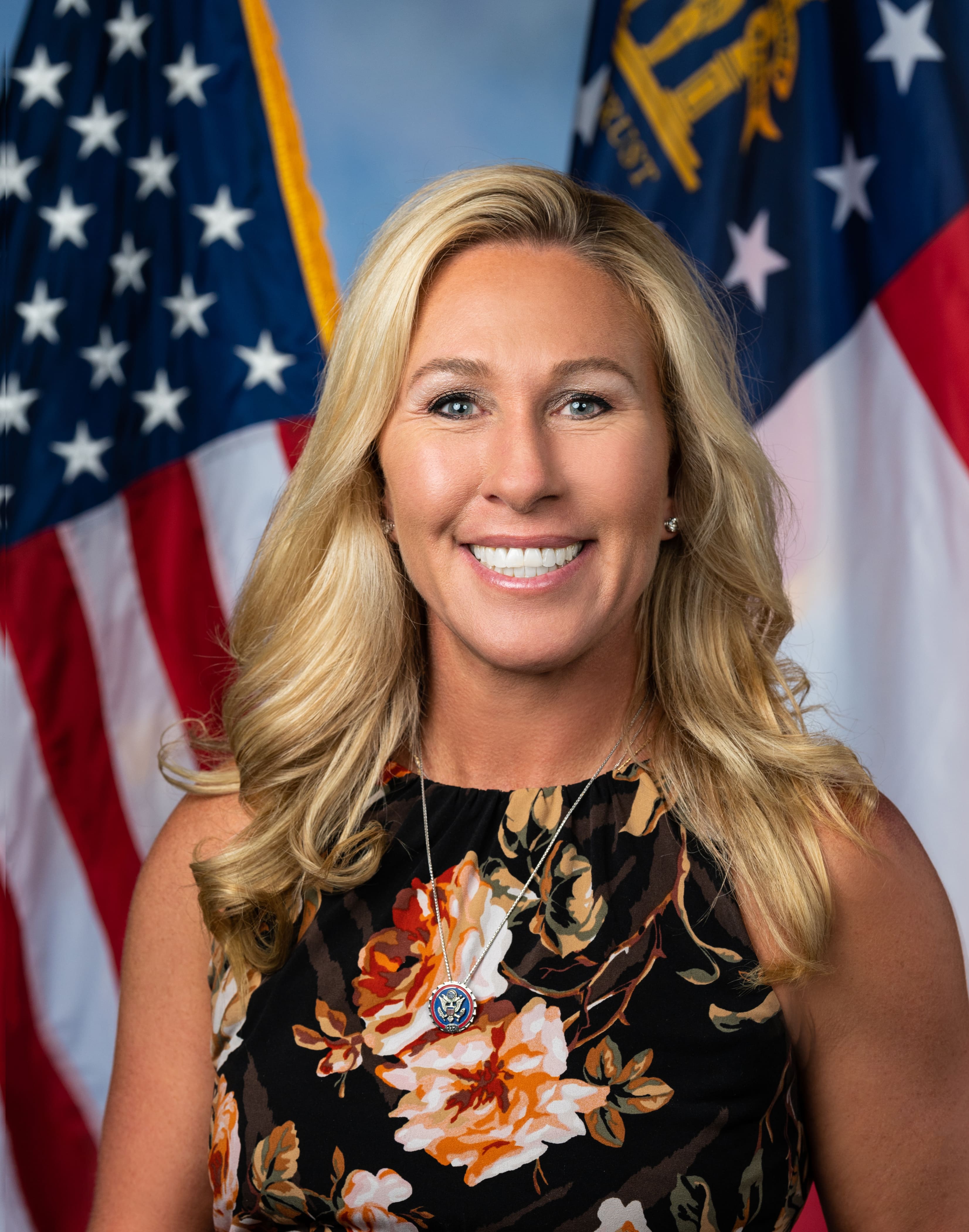
WASHINGTON, D.C. Marjorie Taylor Greene told a Ron Paul Institute audience that the eight-week government shutdown was meant to keep an Epstein files resolution from getting a House vote, according to a local transcript of the public-event video.
The claim adds a sharper accusation to a timeline that congressional records already show was tightly linked to a discharge petition, a delayed swearing-in, and a near-unanimous House vote on the Epstein Files Transparency Act.
What Happened
Greene, a former Republican congresswoman from Georgia, made the shutdown claim while discussing her break with President Donald Trump over the effort to release records tied to Jeffrey Epstein. The transcript verifies that Greene did not say Trump personally created the shutdown. She said the shutdown blocked the vote.
"We spent eight weeks shut down. By the way, that was to stop the Epstein resolution from getting a House vote. That's what that shutdown was about." - Marjorie Taylor Greene, speaking at a Ron Paul Institute event
House Clerk records show Rep. Thomas Massie filed Discharge Petition No. 9 on September 2, 2025, seeking to discharge the House Rules Committee from considering H.Res. 581. GovInfo bill text says Massie, for himself and Rep. Ro Khanna, submitted H.Res. 581 on July 15, 2025, and the resolution was referred to the Rules Committee.
The government reopened on November 12, 2025, when the White House said Trump signed H.R. 5371, the continuing appropriations law for fiscal 2026. That same day, Rep. Adelita Grijalva, Democrat of Arizona, said in an official statement that she was sworn in and immediately signed the Epstein discharge petition as the 218th signature needed to force floor action.
"Immediately after being sworn in, Grijalva signed the discharge petition to release the Jeffrey Epstein files, becoming the 218th and decisive signature to force a floor vote." - Rep. Adelita Grijalva's office, November 12 statement
The House schedule for the week of November 17 then listed H.R. 4405, the Epstein Files Transparency Act, among measures that could be considered under suspension of the rules. The House Clerk recorded the vote on November 18 as Roll Call 289, with 427 members voting aye, one voting no, and five not voting.
The Response
Massie framed the vote as a transparency win after the discharge petition reached the threshold needed to force House consideration. His office said the bill passed after he gathered 218 signatures, and said the measure required the Justice Department to release records relating to Epstein.
"EFTA's passage brings Epstein's victims one step closer to receiving justice and Americans one step closer to receiving transparency." - Rep. Thomas Massie, November 18 statement
Grijalva framed the vote as a victory for survivors and accused Speaker Mike Johnson of trying to delay the effort. In a November 18 statement, she said the petition crossed 218 signatures despite Johnson "calling an early summer recess" and "delaying my swearing in for seven weeks."
"This is not a Democratic issue. This is not a Republican issue. This is a human rights issue and a matter of justice." - Rep. Adelita Grijalva, November 18 remarks released by her office

Republican support ultimately moved overwhelmingly in favor of releasing the files. The House Clerk's roll call shows 216 Republicans and 211 Democrats voted aye. One Republican voted no, while two Republicans and three Democrats did not vote.
The White House gave the final official marker on November 19, saying Trump signed H.R. 4405 into law. The White House statement said the law requires the attorney general to release all documents and records in Justice Department possession relating to Jeffrey Epstein.
What People Are Saying
Greene's allegation is the most direct claim in the record tying the shutdown to the Epstein vote. Her wording matters because the social-media caption on the clip claimed she said Trump created the shutdown, while the transcript only supports the narrower assertion that the shutdown was aimed at stopping a House vote.
Massie and Khanna, the bipartisan sponsors, treated the discharge petition as the tool that broke the bottleneck. Massie's office said the bill received a vote after the petition reached 218 signatures.
Grijalva's office said her swearing-in ended 50 days in which Arizona's Seventh Congressional District lacked representation. Her statement said she signed the Epstein petition immediately after taking office.
The House vote showed broad institutional support once the measure reached the floor. Clerk records show the bill passed with support from both parties and only one recorded no vote.
The Big Picture
The verified timeline supports one part of Greene's claim and leaves another part unresolved. Official records show the petition was pending before and during the shutdown, the government reopened on November 12, Grijalva was sworn in that day, her signature brought the petition to 218, and the House voted five days later.
The records do not, by themselves, prove why the shutdown happened. They do show why Greene's accusation now matters politically: a fight that began as a pressure campaign inside the House became a signed law after a discharge petition bypassed leadership control of the floor.
Under H.R. 4405, the attorney general must make public unclassified Justice Department records relating to Epstein in searchable and downloadable form, subject to the limits written into the law. That implementation step is the next test of whether the vote produces the transparency that sponsors, survivors, and 427 House members said they wanted.