FTC, DOJ And Illinois Sue Premium Home Service Over Fake Local Repair Listings

Federal and Illinois officials say a home-services company built a national web of fake local repair listings, local phone numbers and fabricated reviews to intercept consumers searching for nearby plumbers, electricians, HVAC technicians and garage-door repair businesses.
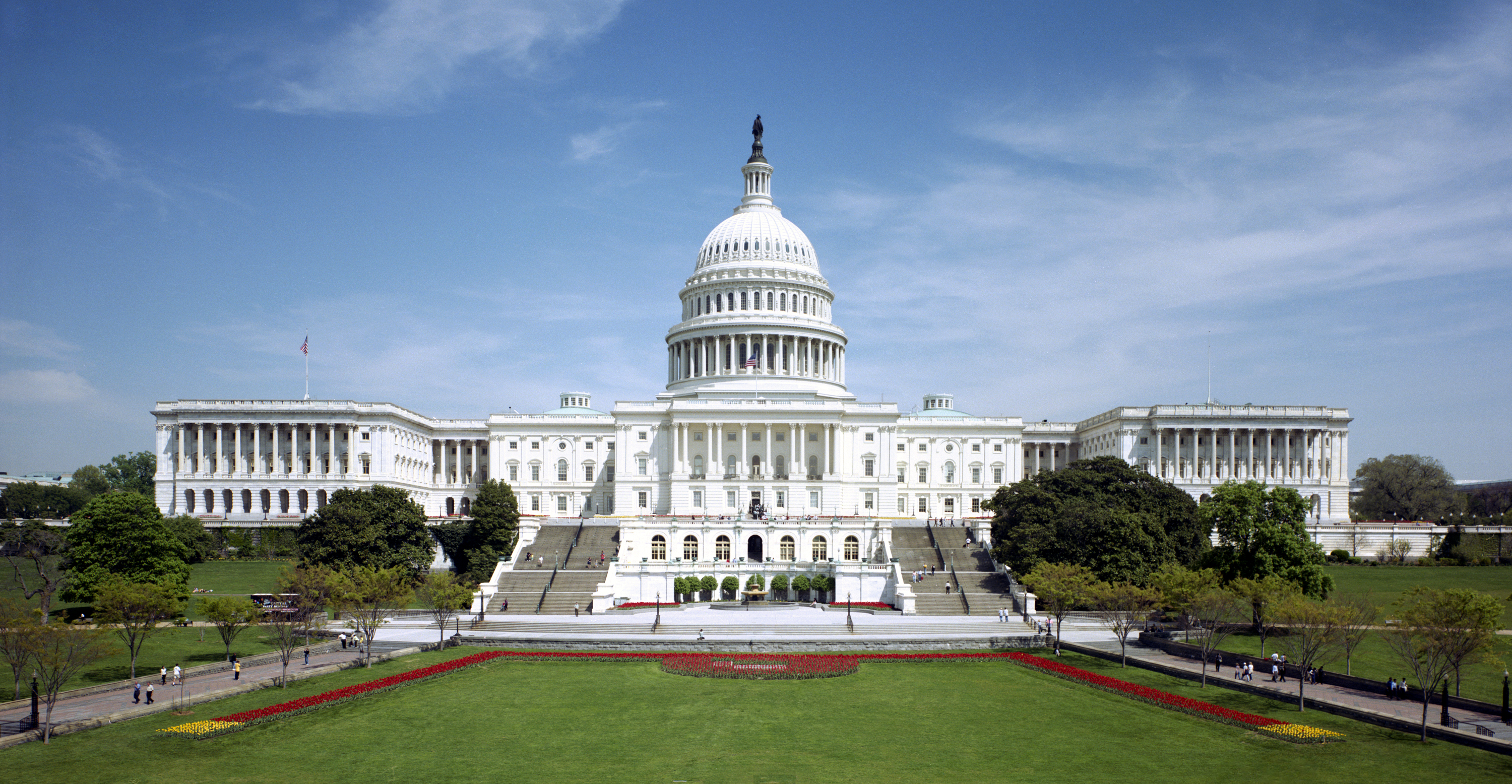
CHICAGO - The Justice Department, acting on a Federal Trade Commission referral and joined by Illinois Attorney General Kwame Raoul, filed a civil complaint against B.E.S.T. GDR LLC, doing business as Premium Home Service, and founder and CEO Yosef Bernath over an alleged fake local-repair listing scheme.
The complaint was filed in the U.S. District Court for the Northern District of Illinois, according to the FTC and DOJ releases. The agencies say the allegations are civil claims, not findings of liability, and the case seeks a permanent injunction, civil penalties and monetary relief for consumers.
The Story So Far
Premium Home Service is a Chicago-area home-services business that federal and state officials say marketed repair services across the country through online profiles that appeared to be local businesses. The DOJ release says the complaint alleges the defendants fabricated local identities nationwide by creating more than 15,000 fake business profiles on Google Search and Maps.
The alleged listings covered services consumers often need quickly, including plumbing, heating and cooling, electrical work and garage-door repair, according to the FTC release. The agency said many profiles used fabricated company names, unrelated local addresses or made-up addresses, plus five-star reviews that allegedly gave the profiles a stronger appearance than actual customer feedback would support.
Illinois added a second measure of scale. Raoul's office said the defendants allegedly maintained more than 7,600 telephone numbers in more than 250 area codes across the United States. The state release says consumers could find the listings near the top of search results, call what looked like a local business, and then be routed to customer service representatives typically located overseas.
The FTC release says some callers were routed to representatives located elsewhere, including the Philippines. DOJ said local phone numbers routed to overseas call centers. The alleged consumer harm was not only confusion about where a business was based; the agencies say some contractors lacked proper qualifications, performed substandard work, arrived late or failed to appear.
What's Happening Now
The case names B.E.S.T. GDR LLC, doing business as Premium Home Service, and Bernath. The FTC release says the complaint alleges violations of the FTC Act, the FTC Rule on the Use of Consumer Reviews and Testimonials, and the Gramm-Leach-Bliley Act. DOJ said the complaint also alleges violations of the Illinois Consumer Fraud and Deceptive Business Practices Act and the Illinois Uniform Deceptive Trade Practices Act.
The Reviews and Testimonials Rule piece matters because the agencies are not only objecting to alleged fake business identities. They are also challenging the use of alleged fake reviews, including reviews from employees and relatives, according to the FTC release. That makes the case an early test of how review manipulation rules can be applied to local-search demand generation.
The Gramm-Leach-Bliley Act claim points to payment information. DOJ said the complaint alleges the defendants obtained consumers' debit and credit card numbers by making false statements or representations about the nature and value of their fees. The FTC release describes the claim as involving false, fictitious or fraudulent statements to obtain consumers' financial information.
What Officials Are Saying
"Premium Home Service's use of fake business profiles and reviews violates federal and state laws, harming consumers and businesses." - Christopher Mufarrige, director of the FTC Bureau of Consumer Protection, said in the FTC release.
"When Americans shop for home services, they are not just choosing the lowest price; they are investing in their home and assessing the reliability of the person they let through the front door."
Brett A. Shumate, assistant attorney general for the Justice Department Civil Division, said in the DOJ release.
"Premium Home Service spent years establishing fake businesses with fake reviews to lure in customers who were in need of home repairs." - Kwame Raoul, Illinois attorney general, said in the state release.
The Alleged Business Model
The complaint's basic mechanism, as described by the agencies, is demand interception. A consumer searches for a nearby repair business. A profile that appears local is displayed. The consumer calls a local phone number. The call is routed to a centralized or overseas operation. A contractor is then dispatched, or in some cases no one arrives, according to the FTC release.

That sequence is why the case fits the business beat more than a narrow online-advertising story. The agencies are describing a home-repair sales funnel that allegedly used search visibility, local numbers and reviews to capture consumer orders. The alleged conduct sits between digital marketing, local services and consumer finance.
The alleged use of real addresses belonging to unrelated businesses also raises a local-market problem. A consumer may think proximity signals accountability, licensing or community reputation. The FTC says the addresses could belong to third parties or be fabricated, which means the trust cue may not match the provider that ultimately handles the job.
Economic Implications
The economic stakes are in how local-service demand is allocated. If the government's allegations are proven, a national or multistate operator used thousands of fake profiles and thousands of local phone numbers to compete for searches that consumers intended to direct to nearby repair firms. That can shift leads away from legitimate local plumbers, electricians, HVAC contractors and garage-door businesses before those companies ever get a chance to quote the job.
This affects customer-acquisition costs. Local repair companies already pay for search ads, website work, review management and listings maintenance. A network of fake profiles can crowd the same results page with businesses that appear local but are allegedly controlled by one operation. The practical effect is to make organic visibility less reliable and paid visibility more expensive for legitimate operators.
The consumer side is also economic, not just emotional. Emergency home repairs often happen under time pressure, which weakens comparison shopping. If a consumer believes a nearby business is sending a technician at a specific time, that consumer may share payment information, delay calling another provider, and lose bargaining power. DOJ's payment-card allegations show why the transaction can move from marketing deception to financial-data risk.
There is also a platform-market signal. Search and map listings function as market infrastructure for local services. The agencies' theory treats fake profiles and fake reviews as distortions in that infrastructure. If enforcement changes how aggressively fake local identities are policed, the winners and losers will include platforms, lead-generation firms, legitimate small businesses and consumers who use ratings as a shortcut for trust.
The numbers should be read carefully. The 15,000 profiles and 7,600 telephone numbers are allegations in a civil complaint. They have not been proven in court. But the scale described by DOJ and Illinois is large enough that the case could influence how regulators frame similar local-search and review-manipulation cases.
By The Numbers
- More than 15,000: fake business profiles on Google Search and Maps alleged by the complaint, according to DOJ.
- More than 7,600: telephone numbers allegedly maintained by the defendants, according to the Illinois Attorney General release.
- More than 250: area codes allegedly covered by those telephone numbers, according to Illinois.
- 2-0: FTC Commission vote to refer the civil penalty complaint to DOJ for filing, according to the FTC release.
- May 11, 2026: date the FTC, DOJ and Illinois releases announced the filed complaint.
What To Watch
The first question is whether the court grants the relief sought by the government. DOJ said the complaint seeks a permanent injunction, monetary civil penalties and redress for consumer injury. Illinois said Raoul is seeking a permanent injunction, civil penalties and monetary relief for affected consumers.
The second question is how the defendants respond. The public releases describe the government's allegations, and the case is at the complaint stage. Any final order would need either litigation, settlement or another court-approved resolution.
The third question is broader than this company. If regulators can show that fake local listings, local-number routing and fabricated reviews operated as one business system, the case gives agencies a model for attacking deceptive lead generation in other urgent local services. That is the economic core of the story: the fight is not only over one repair company, but over who gets trusted access to local demand when consumers search for help at home.

Pipeline: [[article-engine]]