Carlson Says Outside Pressure Shaped Trump Iran War Push
The former Fox host framed his claim as an impression, while White House and military sources describe Operation Epic Fury as a campaign against Iran's missile, naval, proxy, and nuclear capabilities.
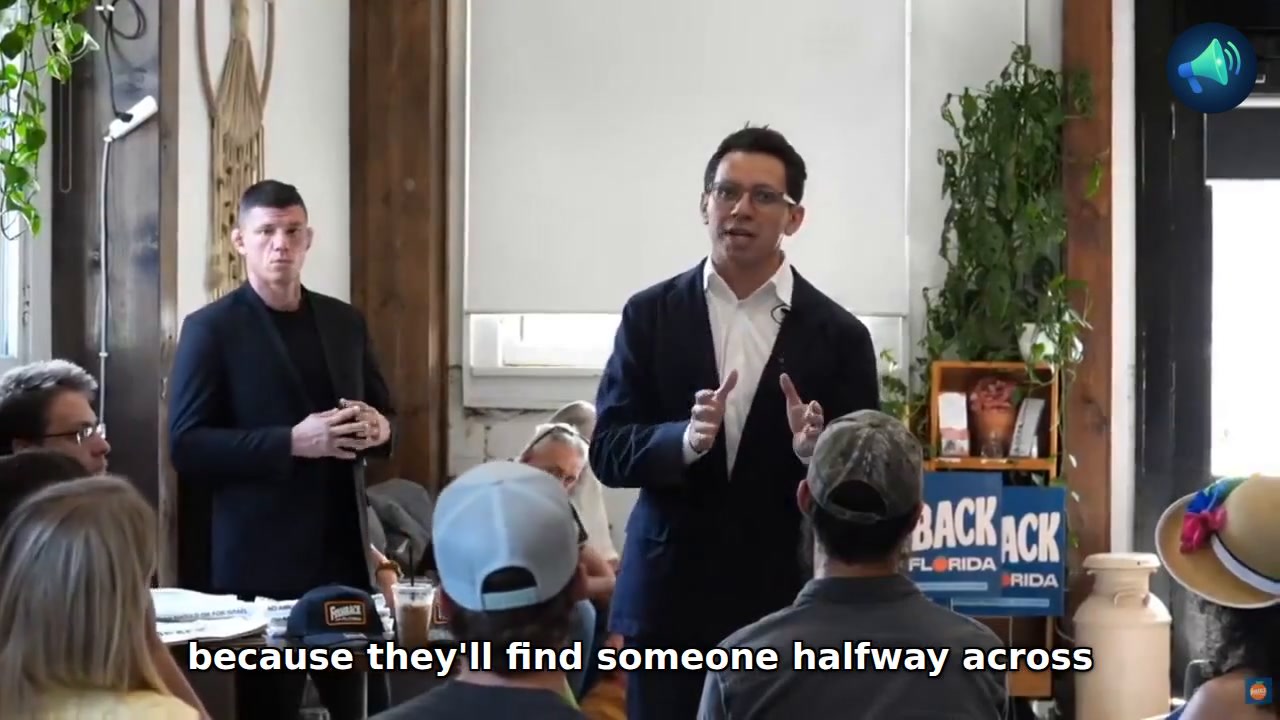
Washington, D.C. - Tucker Carlson said in a recorded interview that his "strong impression" was that pressure for President Donald Trump's war with Iran came from outside the White House, not from officials inside the building. Carlson immediately added a caveat: "it could be wrong because I don't work there."
The claim matters because the underlying event was not a cable-news argument. According to White House releases, Trump authorized Operation Epic Fury as a U.S. military campaign against Iran's ballistic missiles, navy, proxy networks, and alleged nuclear threat. For Americans, the dispute raises a basic war-powers question: who pushed the president toward a major military campaign, what evidence did the public receive, and how much of that debate happened on the record before U.S. troops and taxpayers carried the cost?
The Story So Far
Carlson's comments came from a recorded interview clip circulated on X by @ShadowofEzra and checked against a local transcript generated from the video. The clip does not prove that any private individual caused the war. It shows Carlson making an on-record allegation about the pressure campaign he believed surrounded the president before the Iran operation.
Carlson said he did not hear "a single time from anyone, including from the Secretary of State himself who I spoke to about this, any enthusiasm for doing this." He then gave the line that drove the clip's spread online: "My strong impression, and it could be wrong because I don't work there, is that no one in the building was pushing for this at least overtly, that all the pressure was coming from outside."

Carlson described "constant calls from donors and people with influence over the President," naming Rupert Murdoch and a second name that the transcript rendered with low confidence as "Mary Madelsen." The X caption identified that name as Miriam Adelson, but the transcript itself does not cleanly verify the name. Carlson also named "a small constellation" of influencers, "beginning with Mark Levin," and added Sean Hannity.
He said those voices were "pushing the President to do this" and telling him, "you will be a figure out of history" and "you will save and redeem Israel or something." Carlson then made his America First criticism explicit: "I didn't hear of anybody making a case that this would be good for the United States. I don't think that was ever a conversation."
What's Happening Now
The White House has described the war in sharply different terms. In a March release, the administration said Trump authorized Operation Epic Fury as "a precise, overwhelming military campaign to eliminate the imminent nuclear threat posed by the Iranian regime, destroy its ballistic missile arsenal, degrade its proxy terror networks, and cripple its naval forces."
A separate White House objectives page said the administration's goals "have remained unchanged, unambiguous, and consistent since the operation began." That page quoted Secretary of State Marco Rubio saying on March 2, "The United States is conducting an operation to eliminate the threat of Iran's short-range ballistic missiles and the threat posed by their navy... That is the clear objective of this mission."
The same White House page quoted U.S. Central Command Commander Adm. Brad Cooper saying on March 3, "Our military in the Middle East is undertaking an unprecedented operation to eliminate Iran's ability to threaten Americans, as they've been doing for nearly half a century."
A later White House release said the campaign lasted 38 days and that Iran agreed to a ceasefire and reopening of the Strait of Hormuz while the administration moved into broader negotiations. The administration also quoted Joint Chiefs Chairman Gen. Dan Caine saying Trump ordered the force to accomplish three military objectives: destroy Iran's ballistic missile and drone capabilities, destroy the Iranian navy, and destroy its defense industrial base so Iran could not project power outside its borders.
 Photo: NAVCENT Public Affairs / Wikimedia Commons (public domain)
The disagreement, then, is not over whether the operation happened. It is over the political route that led to it. Carlson is alleging that the decisive pressure was informal, donor-driven, media-driven, and outside the official chain of policy argument. The administration says the operation followed clear national-security objectives tied to Iranian missiles, naval forces, proxy networks, and nuclear risk.
The Conservative View
The conservative argument in favor of the operation starts with deterrence. According to the White House, Republican senators and administration officials framed the campaign as a long-delayed use of American power against a regime that had threatened U.S. citizens, regional allies, shipping lanes, and U.S. forces for decades.
The administration's March objectives page quoted Vice President JD Vance saying, "Whatever happens with the regime in one form or another, it's incidental to the President's primary objective here, which is to make sure the Iranian terrorist regime does not build a nuclear bomb." That framing treats the operation as a preventive national-security mission, not as a regime-change war.
Carlson represents a different conservative camp. His argument is not that Iran posed no threat. His argument is that a war can be sold to a president through flattery, donor pressure, and Israel-centered appeals without a clear showing that the fight benefits Americans. That is an internal conservative split between interventionist deterrence and America First restraint.
The Progressive View
Progressive critics of presidential war-making generally focus on congressional authorization, civilian harm, and the risk that open-ended military campaigns expand beyond their original claims. The War Powers Resolution states that its purpose is to ensure "the collective judgment of both the Congress and the President" applies when U.S. forces enter hostilities, according to 50 U.S. Code § 1541.
That legal frame does not settle whether Operation Epic Fury was justified. It does set the standard for public accountability. If the administration believed Iran posed an imminent nuclear, missile, naval, or proxy threat, critics would argue that Congress and the public needed a clear record before or immediately after the first strikes.
Carlson's claim gives that critique a different source. Rather than coming from a progressive lawmaker, the allegation comes from a prominent right-wing media figure who says he saw no internal case that the operation was good for the United States. That makes the dispute harder to sort into a simple partisan box.
Other Perspectives
Libertarian and noninterventionist observers are likely to focus on the mechanism Carlson described: private pressure flowing through donors, media allies, and personal influence networks. Their concern is institutional. If the president hears informal appeals from influential outsiders more loudly than formal cost-benefit arguments from elected officials, the public record may reveal less than the real decision-making process.
Internationally, the stakes run through the Strait of Hormuz, U.S. forces in the Middle East, Israel's security, and Iran's regional proxies. The White House said the ceasefire included reopening the Strait of Hormuz, a chokepoint that matters to energy markets and U.S. allies. The administration also said the operation targeted Iran's capacity to project military power outside its borders.
Iran's position is not laid out in the sources reviewed for this draft beyond the White House's statement that Tehran agreed to a ceasefire. That gap matters. A full public accounting would include Iran's official response, congressional records, and any on-record responses from the individuals Carlson named.
Economic Implications
The economic stakes center on energy prices, military spending, shipping risk, and future U.S. commitments in the Middle East. The White House said Operation Epic Fury included Iran's navy and the Strait of Hormuz, which made the operation directly relevant to oil transport and insurance costs even after the ceasefire.
For U.S. taxpayers, the measurable costs would include munitions, deployments, carrier operations, logistics, and follow-on regional commitments. Those figures were not provided in the research brief or White House releases reviewed for this article. That absence leaves one of Carlson's core questions unresolved: whether the public received a concrete accounting of the price Americans would pay for the mission.
For U.S. consumers and businesses, the risk runs through fuel costs and supply-chain insurance. If a ceasefire holds and the Strait of Hormuz remains open, pressure on energy prices can ease. If the ceasefire breaks or Iran rebuilds naval and missile capacity, energy traders, shippers, and insurers would price in renewed risk.
By the Numbers
- 38 days: The duration of Operation Epic Fury, according to an April White House release.
- Three military objectives: Gen. Dan Caine said Trump ordered the force to destroy Iran's ballistic missile and drone capabilities, destroy the Iranian navy, and destroy Iran's defense industrial base, according to the White House.
- March 2: The date the White House quoted Rubio saying the operation targeted Iran's short-range ballistic missiles and navy.
- March 3: The date the White House quoted Adm. Brad Cooper describing the campaign as an operation to eliminate Iran's ability to threaten Americans.
- 50 U.S. Code § 1541: The War Powers Resolution section stating that Congress and the president should share judgment when U.S. forces enter hostilities.
What People Are Saying
"My strong impression, and it could be wrong because I don't work there, is that no one in the building was pushing for this at least overtly, that all the pressure was coming from outside," Carlson said in the recorded interview clip.
"I didn't hear of anybody making a case that this would be good for the United States," Carlson said. "I don't think that was ever a conversation."
"The United States is conducting an operation to eliminate the threat of Iran's short-range ballistic missiles and the threat posed by their navy," Rubio said on March 2, according to the White House. "That is the clear objective of this mission."
"Our military in the Middle East is undertaking an unprecedented operation to eliminate Iran's ability to threaten Americans, as they've been doing for nearly half a century," Cooper said on March 3, according to the White House.
"It is the purpose of this chapter to fulfill the intent of the framers of the Constitution of the United States and insure that the collective judgment of both the Congress and the President will apply," the War Powers Resolution says, according to 50 U.S. Code § 1541.
 Photo: Courtesy / Wikimedia Commons (public domain)
The Big Picture
Carlson's allegation should not be treated as proof that Murdoch, Adelson, Levin, Hannity, or any other outside figure caused the Iran war. Carlson framed his own account as an impression, said he could be wrong, and spoke about what he did and did not hear. The record reviewed here does not include on-record responses from the people he named.
The stronger confirmed story is a collision between two public records. Carlson says the prewar pressure he perceived came from influential outsiders and lacked an America First justification. The White House and military record says Trump ordered a defined campaign against Iranian military capabilities, and that the administration viewed the operation as a successful defense of U.S. security interests.
The next question is whether Congress, the administration, and the people named in Carlson's account add more to the record. Until then, Americans are left with an unresolved accountability question about how presidents are pushed toward war and how much of that pressure becomes visible before the country commits force.