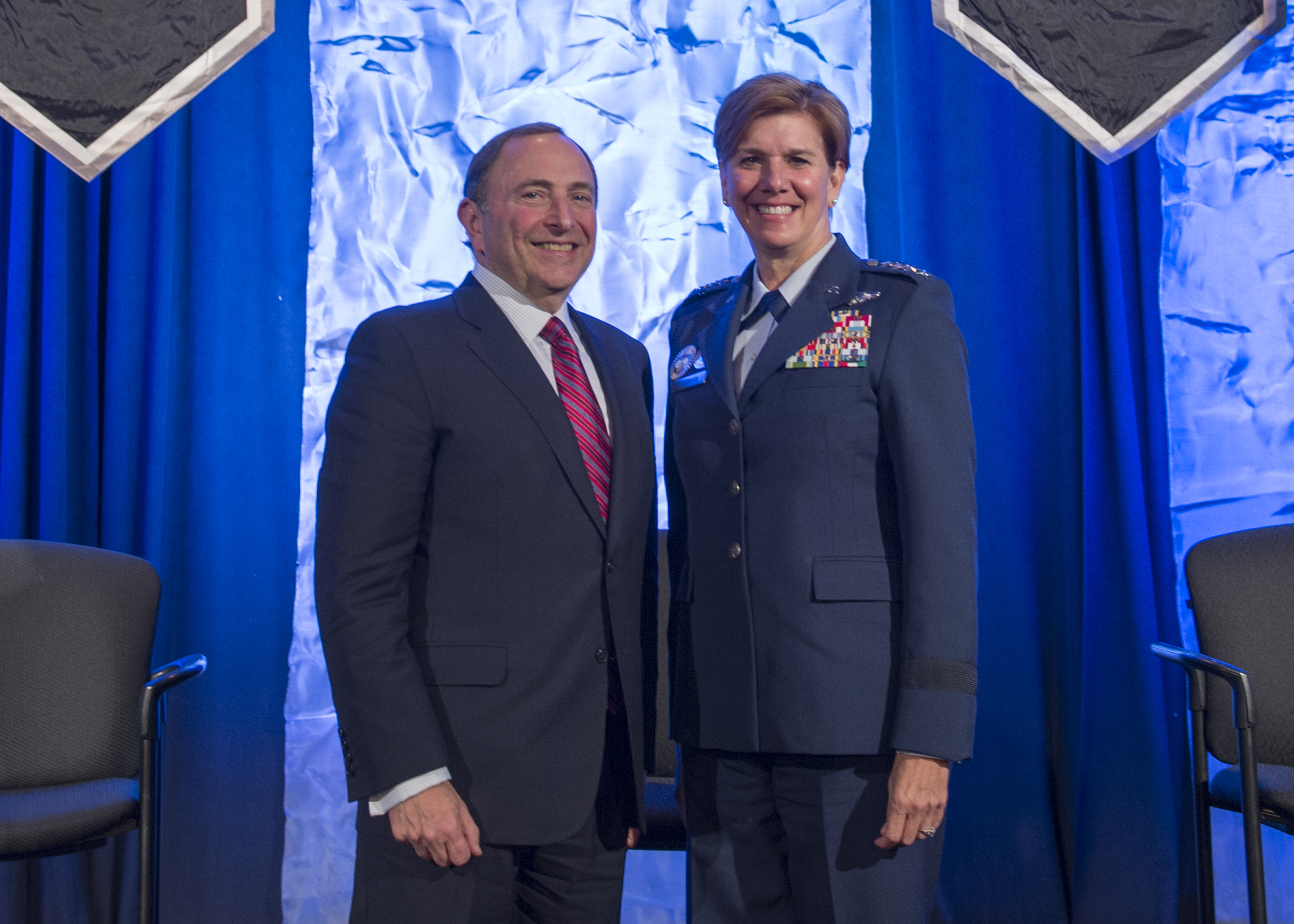
FTC Finalizes Valvoline Divestiture in Greenbriar Deal
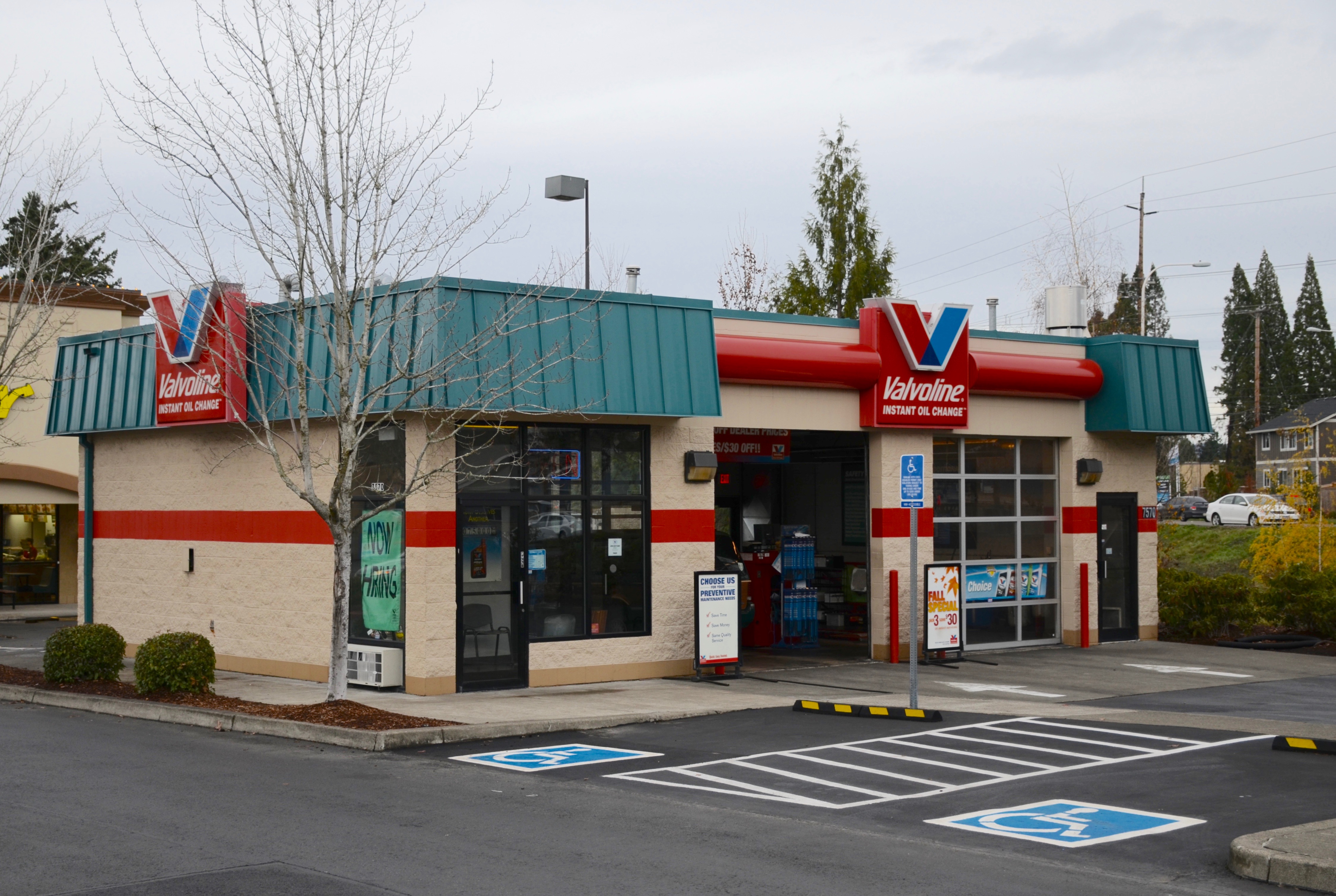
The final consent order forces 45 quick-lube shops out of a $625 million acquisition after the FTC alleged local-market harm in 25 areas.
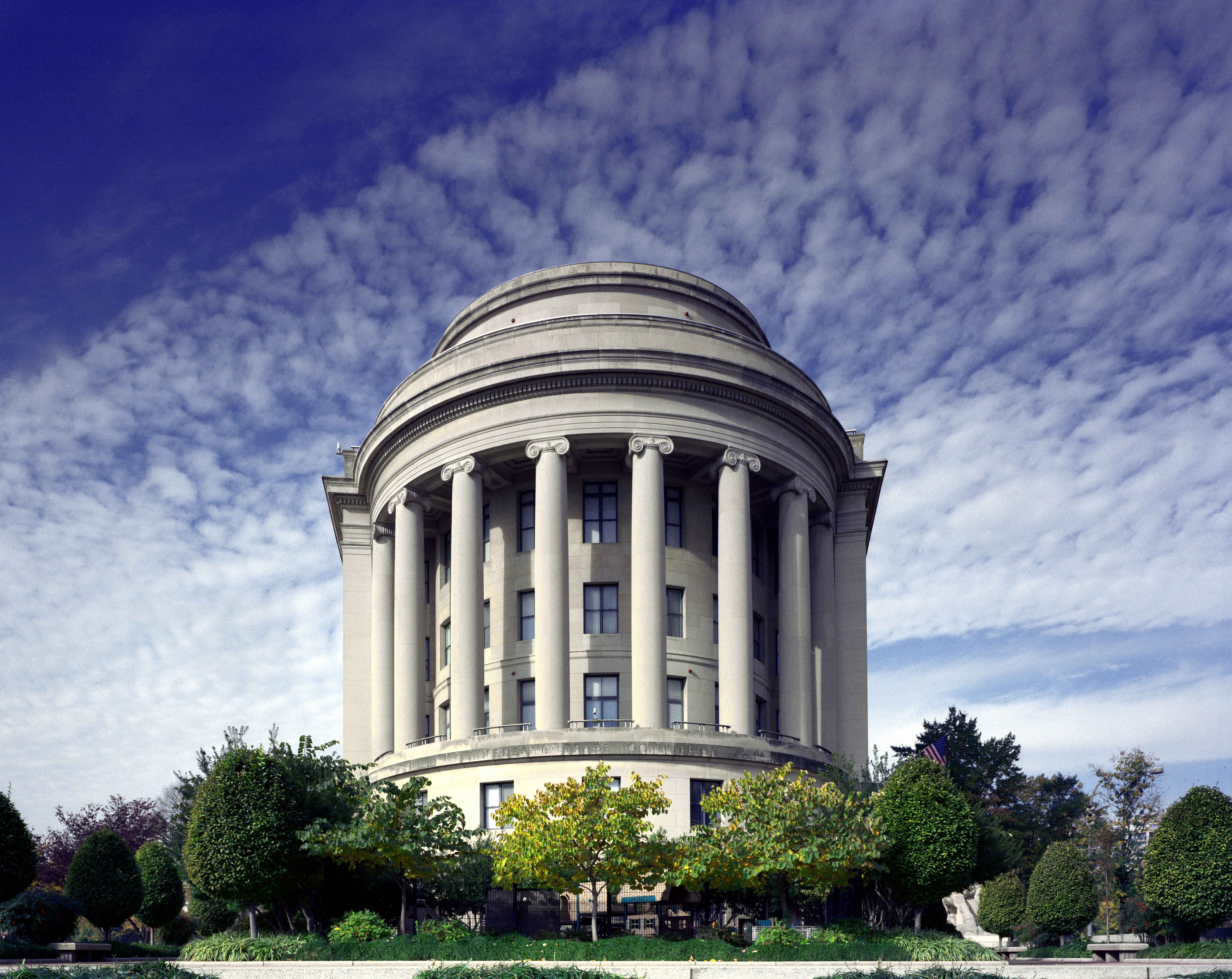
Washington, D.C. - The Federal Trade Commission finalized a consent order Thursday requiring 45 quick-lube oil-change shops to be divested in Valvoline Inc.'s acquisition of approximately 200 Oil Changers outlets from Greenbriar Equity Fund V.
The order turns a $625 million automotive-services acquisition into a narrower deal by preserving a separate competitor in 25 local markets where the FTC said Valvoline and Oil Changers directly overlap. Main Street Auto LLC will acquire the divested outlets from Greenbriar and operate them under the Oil Changers name, according to the FTC's May 7 final-order announcement.
The Story So Far
Valvoline disclosed the transaction in a Form 8-K dated February 17, 2025, filed February 20, 2025. The filing said Valvoline agreed to acquire OC IntermediateCo, which owns and operates the Breeze Autocare business, including quick-lube stores operating under the Oil Changers brand.
The 8-K said Valvoline would pay a base purchase price of $625 million, subject to customary closing adjustments for working capital, cash, debt, unpaid transaction expenses, certain store acquisitions, and owned real estate expected to be part of sale-leaseback transactions. The filing also said $10 million of the merger consideration would be placed into escrow for post-closing adjustments.
Valvoline's February 2025 transaction release said Breeze Autocare operated nearly 200 stores across 17 states, predominantly under the Oil Changers brand. The company said Breeze generated $200 million in net sales for its most recent year end and that the acquisition would lift Valvoline's North American network to more than 2,200 locations.
The deal required antitrust clearance. Valvoline's 8-K said closing depended in part on expiration of the Hart-Scott-Rodino waiting period and the absence of any government injunction or order making the merger illegal or blocking consummation.
What's Happening Now
The FTC said its final consent order requires the divestiture of 45 quick-lube oil-change shops to resolve concerns around Valvoline's acquisition of approximately 200 outlets from Greenbriar. The Commission voted 2-0 to approve the final order after a public comment period, according to the agency.
The agency's complaint alleged that the transaction would eliminate competition across 25 local markets where Valvoline and Oil Changers directly compete in quick-lube oil changes. In its November 2025 proposed-order release, the FTC said those local markets were in California, Kentucky, Idaho, Illinois, Indiana, Michigan, Washington, and Wisconsin.
The remedy is structural, not behavioral. Rather than relying on promises about future pricing or service standards, the order requires a package of stores to move to Main Street Auto, which the FTC said will operate them under the Oil Changers name.
The FTC's case page for Valvoline Inc./Greenbriar Equity Fund V, L.P., File No. 251 0058, described the matter as involving a $625 million deal and said the agency would require the companies to divest 45 quick-lube oil-change shops. The Federal Register notice published November 21, 2025, said the consent agreement settled alleged violations of federal law prohibiting unfair methods of competition.
The Antitrust Mechanism
The FTC framed the market as quick-lube oil changes, a service it described in November as oil changes provided reliably in under 30 minutes without an appointment. That definition matters because the alleged harm sits at the neighborhood level, not only in the national automotive-services industry.
A driver choosing a same-day oil change usually compares shops within a practical local radius. If Valvoline and Oil Changers are two of the main local options, the FTC's theory is that putting both under the same owner can reduce the price pressure and service pressure that existed before the transaction.
The agency said the proposed divestiture order would protect consumers from higher prices and lower service quality in the affected states. In a service business built around speed, convenience, coupons, store hours, and repeat visits, quality can mean more than the posted price of an oil change. It can include wait times, staffing, upsell pressure, and the availability of nearby alternatives.
Valvoline's own deal materials show why the acquisition mattered commercially. The company said the transaction would accelerate network growth, expand its presence in strategic markets, and add nearly 200 stores to a target of more than 3,500 locations. The FTC order does not block that strategy outright. It limits the parts of the transaction where the agency alleged local overlaps would remove a competitor.
The Conservative View
From a conservative competition-policy perspective, the order can be read as a targeted merger remedy rather than a broad attack on scale. The FTC did not announce a lawsuit to stop the entire transaction. It accepted a divestiture package that lets Valvoline continue pursuing the broader acquisition while preserving a rival in markets the agency identified as vulnerable.
That approach fits a market-oriented argument that antitrust enforcement should police specific local harms without replacing business judgment. Valvoline told investors in February 2025 that Breeze Autocare's store base was geographically complementary, that the deal would expand customer reach, and that the purchase price represented 10.7 times Breeze Autocare's adjusted EBITDA. Under the final order, those strategic claims can still be tested in markets not covered by the divestiture.
Conservatives skeptical of aggressive antitrust policy may also focus on remedy design. A divestiture to an operating buyer, Main Street Auto, leaves competition in private hands rather than putting the FTC in the position of supervising store-level pricing decisions.
The Progressive View
Progressive antitrust advocates generally argue that local consolidation can hurt consumers long before a company looks dominant nationally. The FTC's complaint follows that logic by focusing on 25 local markets where Valvoline and Oil Changers directly compete.
The agency said the acquisition would eliminate competition in those markets and that the divestiture would protect consumers from higher prices and lower service quality. For progressives, the relevant issue is not only whether Valvoline can become more efficient after buying Breeze. It is whether customers lose an independent shop that had been disciplining prices and service quality nearby.
The private equity angle also matters in that view. Greenbriar owned the seller, and the transaction involved a private equity-backed store network moving into a public company's larger chain. Progressive critics of roll-up strategies often warn that repeated acquisitions can leave local consumers with fewer real alternatives even when each deal appears modest in isolation.
Other Perspectives
A business-operations view starts with execution risk. Valvoline said the acquisition was expected to be relatively neutral to adjusted diluted earnings per share in the first year and accretive over time. The divestiture reduces the number of acquired locations Valvoline can integrate and shifts 45 stores to a separate operator, which may affect local scale benefits the company expected in some markets.

A consumer view is more practical. Oil changes are routine maintenance, and the FTC's theory assumes drivers value nearby options that are fast, affordable, and available without an appointment. If Main Street Auto keeps the Oil Changers stores operating as a credible alternative, the order gives consumers a second door to walk through in the affected markets.
An investor view is narrower. The FTC's final order gives Valvoline a regulatory path forward, but it also shows that local-market overlap can change deal economics after signing. Valvoline's 8-K said the transaction depended on antitrust clearance and no blocking order. The final order answers that risk with a remedy, not a clean pass.
Economic Implications
The immediate economic issue is local service pricing. The FTC alleged that without divestitures, the acquisition would result in higher prices and lower service quality for customers seeking quick-lube oil changes in the affected markets. Because quick-lube visits are recurring consumer expenses, even small price increases can compound across households that depend on fast maintenance to keep vehicles on the road.
The order also affects the economics of store-network expansion. Valvoline's transaction release said Breeze Autocare generated $200 million in net sales for its most recent year end and that the purchase price was approximately 10.7 times adjusted EBITDA. Requiring 45 stores to move to Main Street Auto limits Valvoline's acquired footprint in the overlap markets while allowing the company to add the remaining stores if other closing conditions are met.
The broader signal is for private equity-backed and strategic roll-up deals in local services. The FTC did not need to claim a national monopoly to require a remedy. It used a local-market theory based on direct competition between two quick-lube brands, which gives future buyers a reason to map overlaps by drive time, store density, and service category before signing deals.
By the Numbers
- 45 shops must be divested under the FTC's final consent order, according to the agency's May 7 announcement.
- 25 local markets were at issue in the FTC complaint, according to the agency.
- $625 million was the base purchase price in Valvoline's Form 8-K dated February 17, 2025.
- Nearly 200 Breeze Autocare stores were included in the announced acquisition, according to Valvoline and the FTC.
- $200 million in net sales was generated by Breeze Autocare for its most recent year end, according to Valvoline's February 2025 transaction release.
What People Are Saying
"The consent order requires the divestiture of 45 quick-lube oil change shops to address antitrust concerns surrounding Valvoline's acquisition of approximately 200 quick-lube oil change outlets from Greenbriar." - Federal Trade Commission, May 7, 2026
"The FTC's complaint alleges that acquisition would eliminate competition across 25 local markets where Valvoline and Oil Changers, a subsidiary of Greenbriar, directly compete in offering quick-lube oil changes." - Federal Trade Commission, May 7, 2026
"The FTC took action today to ensure that quick-lube oil changes remain affordable and available for American consumers across the country." - Daniel Guarnera, Director of the FTC Bureau of Competition, November 2025
"Welcoming Breeze Autocare into the Valvoline network allows us to immediately add nearly 200 stores that are geographically complementary and will expand our customer reach."
Lori Flees, Valvoline President and CEO, February 2025 transaction release furnished with Valvoline's Form 8-K
"Valvoline has been a respected name in preventive maintenance for decades and we look forward to joining forces with them."
Eric Frankenberger, Breeze Autocare President and CEO, February 2025 transaction release furnished with Valvoline's Form 8-K
The Big Picture
The final order preserves the main shape of Valvoline's acquisition while carving out the local overlaps the FTC identified. That makes the case a practical example of modern merger enforcement in a fragmented consumer-service market: the national store count matters, but the agency's remedy turned on where customers actually choose among nearby shops.
The next test is operational. Main Street Auto must keep the divested Oil Changers stores viable enough to replace the competition the FTC said would otherwise disappear. Valvoline must integrate the rest of Breeze Autocare while complying with the order and any remaining closing obligations.
For other buyers, the message is straightforward. A roll-up deal can face antitrust conditions even when the acquired stores are scattered across many states, if the overlap map shows customers in specific local markets would lose a direct competitor.