
Angelini Buys Catalyst in $4.1 Billion Rare-Disease Deal

The Italian drugmaker is buying a Nasdaq-listed Florida company with $589 million in 2025 revenue, a U.S. salesforce, and three marketed rare-disease and neurology products.
CORAL GABLES, Florida - Angelini Pharma agreed to buy Catalyst Pharmaceuticals for $31.50 a share in cash, valuing the Nasdaq-listed rare-disease drugmaker at about $4.1 billion, according to Catalyst's Form 8-K filed May 7 and the joint press release attached to it.
The deal gives the Italian company a direct U.S. commercial platform in brain health and rare disease. Catalyst's 2025 Form 10-K says the company generated about $589.0 million in total revenue last year, almost all of it from U.S.-focused product sales.
The Story So Far
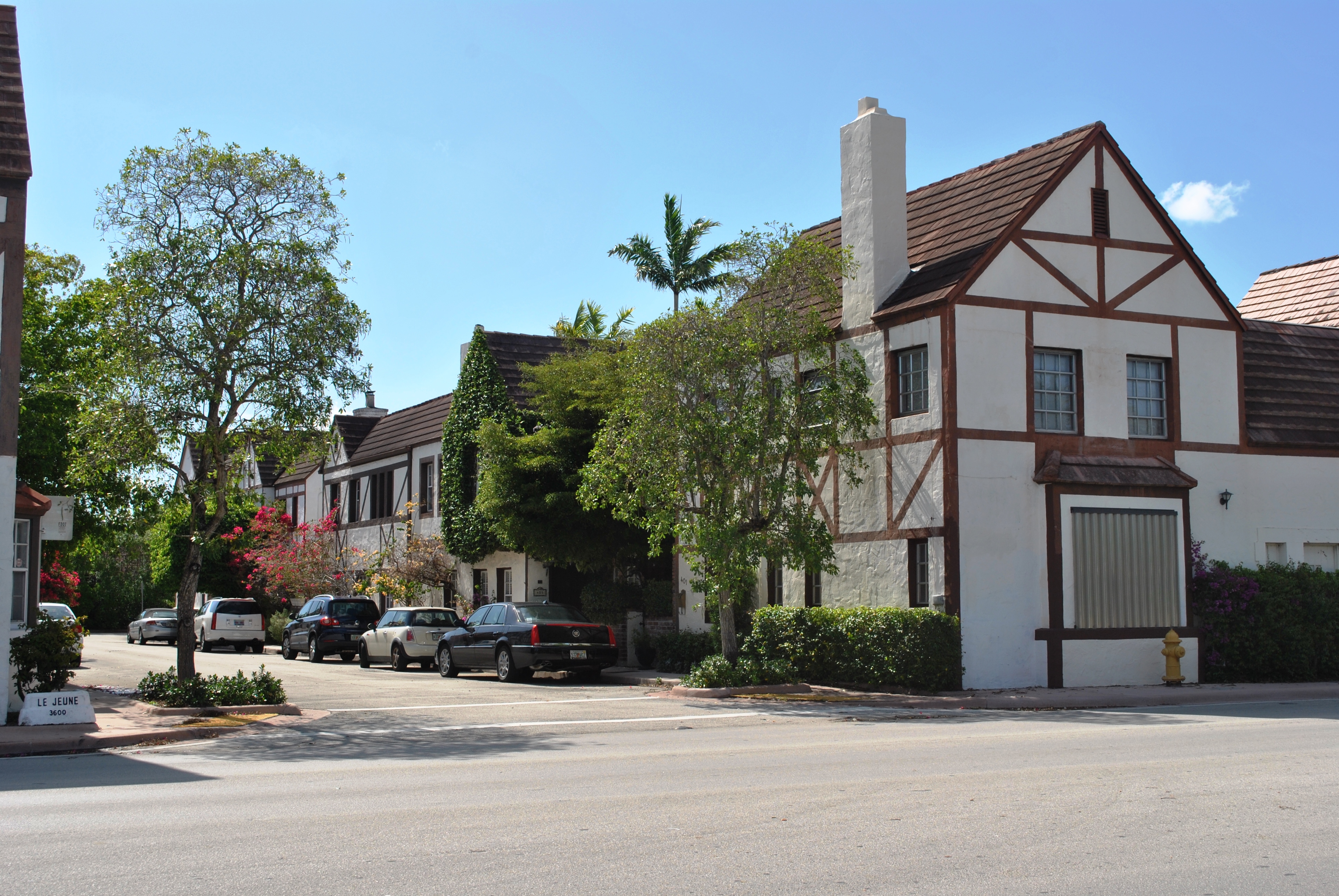
Catalyst is based in Coral Gables, Florida, and sells three main products: FIRDAPSE for Lambert-Eaton myasthenic syndrome, AGAMREE for Duchenne muscular dystrophy, and FYCOMPA for certain seizure disorders, according to the joint release and Catalyst's annual report. The company's 2025 Form 10-K said net product revenue was about $588.8 million, primarily in the United States.
The revenue mix shows why Angelini is paying for an operating platform rather than just a pipeline option. Catalyst reported about $358.4 million in 2025 net product revenue from FIRDAPSE, about $117.1 million from AGAMREE, and about $113.3 million from FYCOMPA in its annual filing.
Catalyst also had 182 employees as of Feb. 23, including 128 in its commercial organization, 8 in research and development, and the remainder in general and administrative roles, according to the Form 10-K. None of its employees were covered by a collective bargaining agreement, the filing said.
What's Happening Now
The merger agreement was signed May 6 by Catalyst, Angelini Pharma S.p.A., and Angelini Cielo Inc., a Delaware corporation and wholly owned Angelini subsidiary, according to Catalyst's Form 8-K. The agreement says Angelini Cielo will merge into Catalyst, with Catalyst surviving as a wholly owned Angelini subsidiary.
At the effective time, each outstanding Catalyst share will be canceled and converted into the right to receive $31.50 in cash, according to the filing. The joint release said the price represented a 21% premium to Catalyst's unaffected closing price on April 22 and a 28% premium to the 30-day volume-weighted average trading price as of that date.
The transaction is expected to close in the third quarter of 2026, subject to Catalyst stockholder approval, required regulatory approvals, and customary closing conditions, according to the joint release. Catalyst's Form 8-K names expiration or termination of applicable waiting periods under the Hart-Scott-Rodino Antitrust Improvements Act as a closing condition.
The deal is not subject to a financing condition, according to Catalyst's filing. Angelini told Catalyst it plans to finance the transaction with cash on hand and debt financing, while the joint release said Blackstone funds and select international partners will participate, with BNP Paribas acting as sole global coordinator and underwriter of the financing package.
The Buyer View
Angelini is framing the acquisition as a direct entry into the U.S. market. That matters because the U.S. remains the largest commercial market for many specialty drugs, especially in rare-disease categories where reimbursement, patient identification, and physician relationships drive the economics.
"Entering the U.S. market will allow us to acquire the scale and capabilities needed to continue this journey."
Sergio Marullo di Condojanni, chief executive officer of Angelini Pharma, said in the joint press release.
For Angelini, the mechanism is clear: buying Catalyst gives it a sales organization, reimbursement infrastructure, and marketed rare-disease products in one transaction. Building that same channel organically would take years and would carry execution risk before any meaningful U.S. revenue arrived.
The deal also expands Angelini's brain-health positioning. Catalyst's portfolio sits across neuromuscular disease, Duchenne muscular dystrophy, and epilepsy, according to the companies' joint release and Catalyst's 10-K.
The Seller View
Catalyst's board unanimously approved the merger agreement, according to the agreement attached as Exhibit 2.1 to the Form 8-K. The agreement says the board determined the transaction, including the merger, is fair to and in the best interests of Catalyst and its stockholders.
"For shareholders, this transaction delivers immediate and certain cash value through a compelling premium."
Rich Daly, president and chief executive officer of Catalyst Pharmaceuticals, said in the joint press release.
For Catalyst holders, the tradeoff is cash certainty against the loss of a standalone public rare-disease equity story. If the deal closes, Catalyst shares will be delisted from Nasdaq and deregistered under the Securities Exchange Act, according to the joint release.
The merger agreement includes a termination fee of about $155.5 million under specified circumstances, according to the Form 8-K summary. That fee is part of the transaction's deal-protection structure and gives both sides a defined cost if certain breakup events occur.
Other Perspectives
The regulatory lens is not optional. Catalyst's filing makes HSR clearance a closing condition, which means U.S. antitrust agencies get a formal review window even though the companies describe the portfolios as complementary.
A separate antitrust thread sits inside Catalyst's product portfolio. The joint release said Catalyst resolved FIRDAPSE patent litigation tied to a Hetero USA abbreviated new drug application and will submit the confidential settlement agreement to the Federal Trade Commission and the Department of Justice as required by law.
That matters because pharmaceutical patent settlements can affect when lower-cost generic or competing versions reach patients. The briefed facts do not establish whether the settlement changes market timing, but the FTC and DOJ submission means the agreement enters a review channel built for that exact concern.
Economic Implications
The headline number is the $4.1 billion equity value, but the operating mechanism is the transfer of a U.S. rare-disease commercial channel to a foreign strategic buyer. Catalyst's 2025 Form 10-K said the company generated about $589.0 million in total revenue, including about $588.8 million in net product revenue primarily in the United States. Angelini is therefore buying current U.S. cash flow, not only future research optionality.
The Florida employment footprint is smaller than the deal value suggests, but it is still concrete. Catalyst reported 182 employees as of Feb. 23, with 128 in commercial roles and only 8 in research and development. That structure shows the asset Angelini is acquiring: a revenue-producing specialty-drug sales and access platform centered on U.S. commercialization.
Drug coverage and reimbursement remain the economic pressure point. Catalyst's annual filing says payor coverage and reimbursement can determine product economics, and that risk does not vanish because ownership changes. If the deal closes, Angelini inherits both the product revenue and the U.S. reimbursement exposure that supports it.
For public investors, the transaction also reduces the number of standalone U.S.-listed rare-disease companies available in the equity market. The filed merger structure would move Catalyst's future product decisions, capital allocation, and portfolio strategy inside Angelini rather than through Catalyst's quarterly public reporting. That does not determine whether patients, employees, or shareholders are better off, but it does change where the economic decisions will be made after closing.
By the Numbers
- $31.50 per share: cash price Angelini agreed to pay for each outstanding Catalyst share, according to Catalyst's Form 8-K.
- $4.1 billion: approximate total equity value, according to the joint press release.
- 21%: premium to Catalyst's unaffected closing price on April 22, according to the joint press release.
- $589.0 million: Catalyst's 2025 total revenue, according to its Form 10-K.
- 182: Catalyst employees as of Feb. 23, according to the Form 10-K.
What People Are Saying
"On May 6, 2026, Catalyst Pharmaceuticals, Inc. entered into an Agreement and Plan of Merger with Angelini Pharma S.p.A., an Italian Società per azioni, and Angelini Cielo Inc., a Delaware corporation and wholly-owned subsidiary of Parent." - Catalyst Pharmaceuticals said in its Form 8-K filed May 7.
"Angelini Pharma has agreed to acquire all outstanding shares of Catalyst for 31.50 USD per share in cash, for a total equity value of approximately 4.1 billion USD."
Catalyst Pharmaceuticals and Angelini Pharma said in the joint press release attached to Catalyst's Form 8-K.
"The Company's board of directors has unanimously determined that this Agreement and the Transactions, including the Merger, are fair to and in the best interests of the Company and its stockholders." - Catalyst's merger agreement said.
The Big Picture
Angelini is using M&A to enter the U.S. rare-disease market with an existing commercial operation. Catalyst shareholders get a defined cash price, while public-market investors lose a standalone Nasdaq rare-disease name if the transaction closes.
The next checkpoints are Catalyst's stockholder vote, HSR review, financing execution, and the separate FTC and DOJ submission tied to the FIRDAPSE patent-litigation settlement. Until those clear, the transaction remains a signed agreement rather than a completed transfer of control.
The cleanest read on the deal is that Angelini is paying for time. Catalyst already has FDA-approved products, U.S. payor exposure, a commercial staff, and a public-company revenue record. The price tells shareholders what that platform is worth today; the regulatory process will decide whether the transfer can close on the companies' third-quarter timeline.

Pipeline: [[article-engine]]