Fauci Says Vaccine Resistance Held Back U.S. Covid Effort
WASHINGTON, D.C. Anthony Fauci said in a clipped panel appearance that anti-vaccine resistance weakened the United States' Covid vaccination effort, while federal and international data show the answer depends on how vaccination coverage is measured.
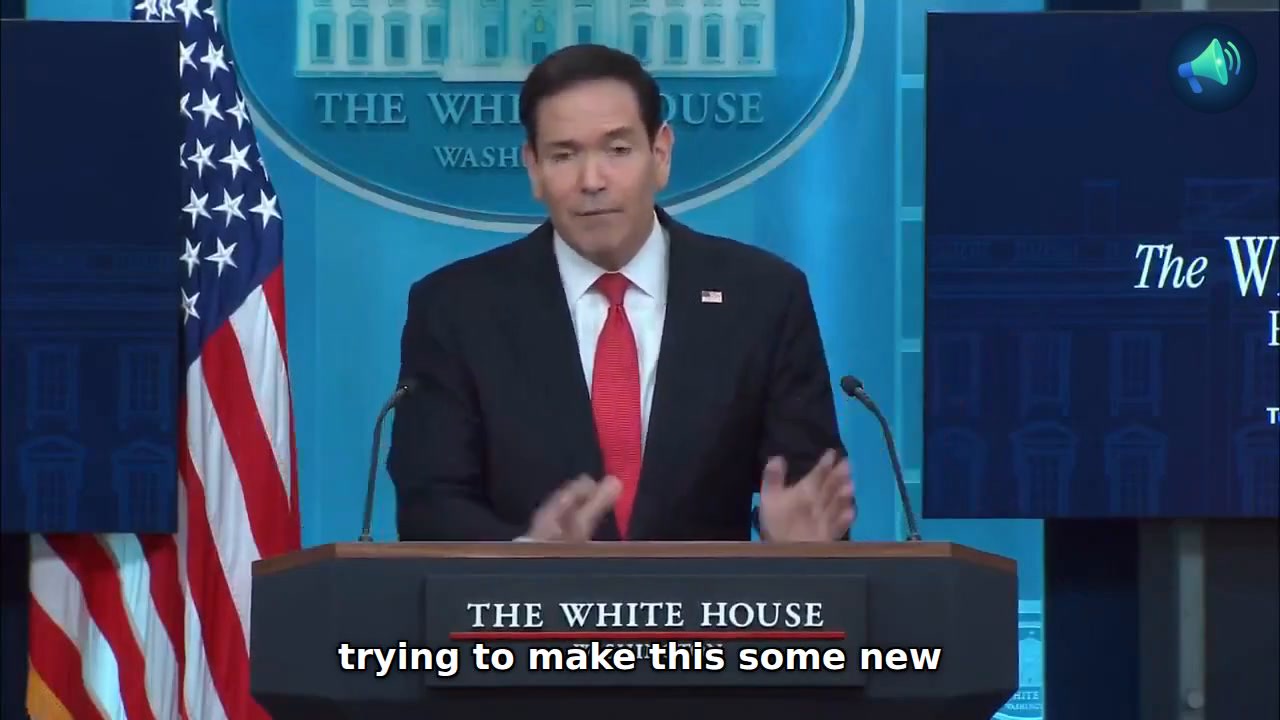
The 58-second clip, posted on X by Shadow of Ezra, shows Fauci discussing vaccine acceptance, U.S. targets, and global vaccine inequality. The original venue, host, date, and full recording were not verified in the research file reviewed for this article, so the clip is used only for Fauci's on-camera words.
What Happened
Fauci said broad public acceptance would have improved the vaccine rollout. "That's another whole problem in society, if the vaccine was accepted by society, we didn't have an anti-vax problem, we would have had a much, much more effective distribution of vaccines in this country," Fauci said in the local transcript.
He then tied that claim to a numerical target. "If everybody universally accepted that this was a safe and effective vaccine, we were trying to get 72% of the population vaccinated, then we never really got there," Fauci said. "Whereas other countries had 85, 90% of the people vaccinated."
NIH's March 2021 public-health explainer said Fauci estimated that 70% to 85% of the U.S. population would need vaccination to reach herd immunity. That NIH estimate is close to, but not identical to, the 72% figure Fauci used in the clip.

The CDC's final national jurisdiction row, dated May 10, 2023, listed 270,227,181 people with at least one dose, or 81.4% of the total U.S. population. The same CDC dataset listed 230,637,348 people with a completed primary series, or 69.5% of the population.
That means the United States cleared 72% on a one-dose basis but did not clear 72% for completed primary-series coverage in that CDC dataset. Fauci did not specify in the clip whether he meant one dose, a completed primary series, adults, the full population, or another denominator.
Our World in Data showed a similar national pattern as of May 9, 2023: 81.39 people vaccinated per 100 in the United States and 69.47 people fully vaccinated per 100. The same dataset showed several countries reaching the 85% to 90% range Fauci referenced, including Singapore at 90.85 fully vaccinated per 100, Chile at 90.29, Portugal at 86.75, South Korea at 85.64, and Spain at 85.66.
The Response
Public-health officials have long argued that vaccination reduced the risk of severe illness. The CDC's current Covid vaccine page says people who are up to date with COVID-19 vaccination have a lower risk of severe illness.
Critics of the federal Covid response have argued that mandates, shifting guidance, and public messaging damaged trust. A House Oversight Select Subcommittee release from Fauci's 2024 transcribed interview quoted him acknowledging that mandates deserved further study as a possible source of hesitancy.
Asked whether vaccine mandates could cause more people not to want vaccination, Fauci said, according to the committee release, "I don't know. But I think that's something we need to know."
Fauci also separated U.S. vaccine acceptance from global distribution. In the clip, he said global inequity was a different problem because some people were receiving second and third boosters while others in developing countries had not received a first shot.
"That's just unconscionable," Fauci said.
 Photo: Centers for Disease Control and Prevention (public domain)
What People Are Saying
"We would have had a much, much more effective distribution of vaccines in this country," Fauci said in the clip, referring to what he said could have happened without an anti-vaccine problem.
"We were trying to get 72% of the population vaccinated, then we never really got there," Fauci said.
"Fauci estimates that 70% to 85% of the U.S. population will need to be vaccinated to get 'herd immunity,'" NIH News in Health reported in March 2021.
"I don't know. But I think that's something we need to know," Fauci said in the House Oversight release, referring to whether mandates may have made some people less willing to vaccinate.
The Big Picture
The clip reopened a familiar dispute over the Covid response: whether vaccine uptake fell short mainly because of anti-vaccine resistance, because government messaging lost trust, or because officials measured success using different targets at different moments.
The data gives both sides material to cite. Fauci's point about other countries reaching 85% to 90% coverage is supported by international vaccination data for several countries. The U.S. record is more complicated because the country exceeded 72% for at least one dose while falling below that level for completed primary-series coverage.
The next question is less about one clip than about public trust. Health agencies still recommend Covid vaccination to reduce severe illness, while congressional investigators and critics continue to examine whether mandates and official messaging contributed to resistance that public-health leaders were trying to overcome.