UN weighs peacekeeping cuts as U.S. share tops $1.4 billion
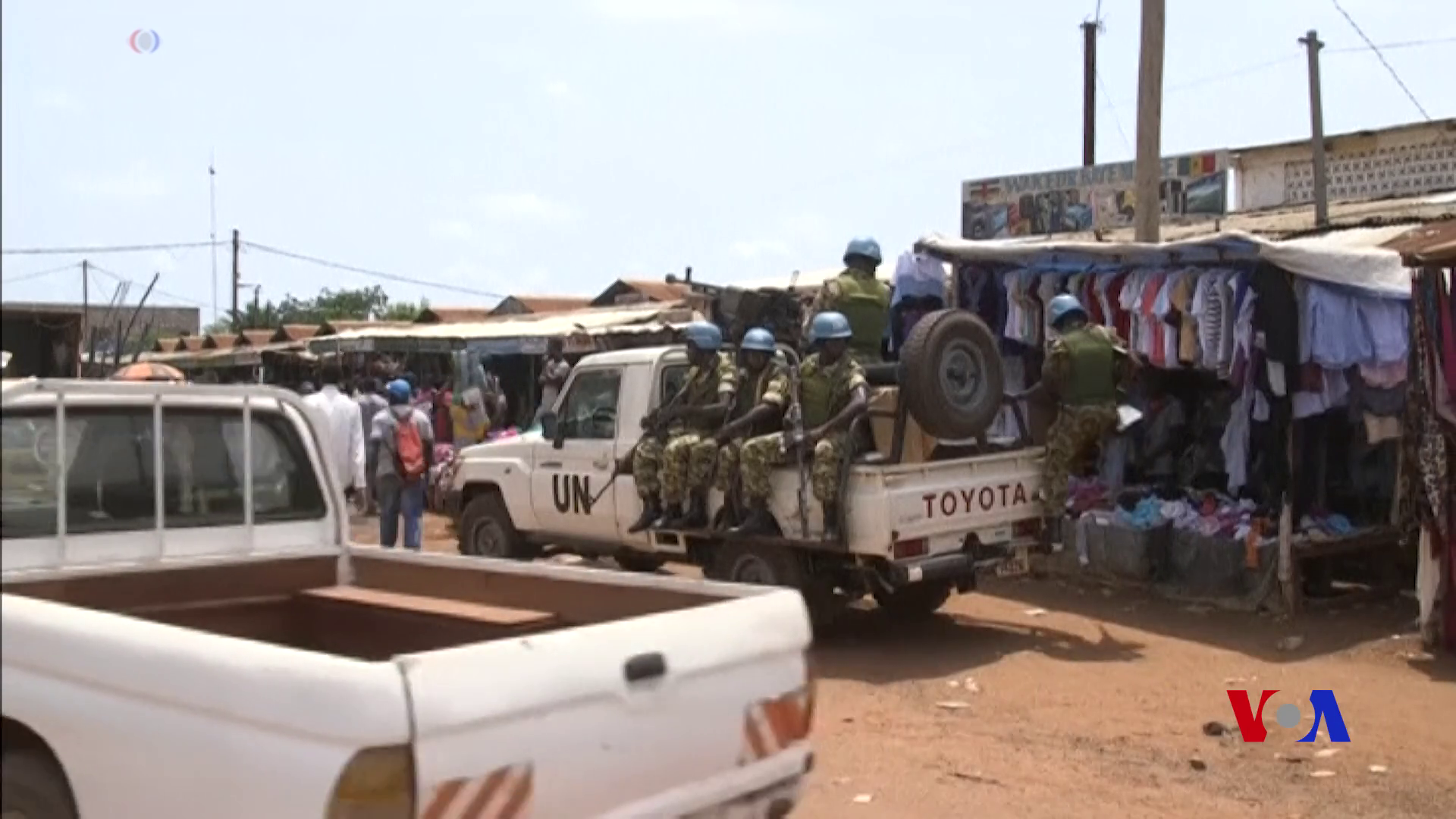
NEW YORK. American taxpayers remain the largest funding target in a new United Nations peacekeeping budget fight, as delegates weigh a $5.23 billion package while the organization says it faces a cash squeeze.
The proposed budget would cover the 12-month peacekeeping cycle from July 1, 2026, to June 30, 2027, according to the UN press office. The UN said the proposal is 7.5 percent below the previous period, but the U.S. share listed by UN Peacekeeping for the current cycle is 26.95 percent. Applied to a $5.23 billion package, that assessment rate implies about $1.41 billion in American exposure before any statutory caps, arrears, credits or negotiated adjustments.
The fight is not only about an annual line item. It is a test of whether Washington can push the UN toward lower costs and clearer mandates while other members warn that unpaid assessments and sharp reductions could weaken missions in the field.
The Story So Far
The UN Charter gives the General Assembly the budget power. Article 17 says the General Assembly "shall consider and approve the budget of the Organization" and that expenses "shall be borne by the Members as apportioned by the General Assembly," according to the UN's Fifth Committee page.
UN Peacekeeping says the Security Council establishes or changes peacekeeping missions, while member states carry the cost through assessed contributions. The General Assembly apportions those costs under a special formula that accounts for national wealth and charges the five permanent Security Council members a larger share because of their responsibility for international peace and security, according to UN Peacekeeping.
The current peacekeeping budget runs from July 1, 2024, to June 30, 2025. UN Peacekeeping says the approved budget is $5.6 billion, down 8.2 percent from about $6.1 billion in the prior period. The current budget finances 9 of 11 UN peacekeeping missions, plus support, technology and logistics through service centers in Brindisi, Italy, and Entebbe, Uganda, according to the same UN page.
The United States tops the current assessment table at 26.95 percent. China follows at 18.69 percent, Japan at 8.03 percent, Germany at 6.11 percent and the United Kingdom at 5.36 percent, according to UN Peacekeeping.
What's Happening Now
The General Assembly's Fifth Committee opened its May session with member states focused on Secretary-General Antonio Guterres' proposed $5.23 billion peacekeeping budget and the UN's liquidity crisis, according to the UN press office. The committee is scheduled to meet from May 4 to May 29.
Zsuzsanna Horvath of Hungary, the Fifth Committee chair, said delegates were entering the resumed session under financial pressure and a tight calendar.
"We are entering this resumed session under considerable strains." - Zsuzsanna Horvath, Fifth Committee chair, according to the UN press office

Horvath said the committee faces disputes over the scale and direction of peacekeeping, budget levels, performance, accountability and financial discipline, according to the UN account of the meeting. She warned that delays could matter because the organization's peacekeeping expectations have not fallen even as its finances tightened.
The committee will also consider proposed changes to UN financial rules tied to the liquidity crisis, according to the UN press office. A central dispute involves how and when the UN returns unspent funds to member states as credits against future assessments.
Under the current rules described in the UN meeting summary, the Secretariat can be required to return credits even when underspending comes from late contributions or from money assessed but never received. Norway's delegate cited Guterres' warning that member states must change the rules or face the prospect of financial collapse.
"Member States must either agree to overhaul our financial rules or accept the very real prospect of the financial collapse of our Organization." - Norway's delegate, according to the UN press office
The Conservative View
The U.S. position described by the UN press office centers on value for money. The American representative welcomed the proposed reduction as "another meaningful step forward" and said it followed reforms adopted in December through a smaller 2026 regular budget.
The U.S. representative also said "incremental change is not enough" and called for structural efficiencies that last beyond one budget cycle, according to the UN press office. Washington's position links peacekeeping dollars to clear mandates, right-sized missions, performance and reductions in headquarters staffing and support structures.
That argument maps closely to a conservative fiscal concern: if the United States carries the largest assessment, American negotiators should demand measurable outcomes and lower overhead before accepting new obligations. On the current assessment share, every $100 million added to the peacekeeping budget implies about $26.95 million of U.S. assessment exposure before caps or credits.
The Progressive View
Progressive and internationalist arguments in the UN debate stress that peacekeeping can prevent wider conflicts and that underfunding can shift costs onto poorer troop-contributing countries. UN Peacekeeping says member states that provide uniformed personnel are reimbursed by the UN at a standard rate of $1,428 per soldier per month as of July 1, 2019.
The UN press office said Bangladesh, Indonesia and Rwanda raised concerns about delayed reimbursements to troop and police contributors. Rwanda's representative said the system must be dependable for countries that provide personnel.
"A system that depends on the reliability of country contributors must itself be reliable in return." - Rwanda's representative, according to the UN press office
This side of the debate treats the budget not only as a donor bill, but as an operating fund for missions that depend on poorer countries sending personnel into unstable environments. The concern is that reductions driven by cash shortages could leave missions under-resourced while troop contributors wait longer to be paid.
Other Perspectives
China's representative argued that the direct solution to the liquidity crisis is for all member states, especially the largest contributor, to pay assessed and peacekeeping contributions in full, according to the UN press office. He described those payments as mandatory and said they should not be attached to conditions.
The Group of 77 and China, represented by Uruguay, said it had "deep concern over the significant arrears of the single largest contributor," according to the UN press office. The group said liquidity measures must preserve mandate delivery, intergovernmental oversight and program implementation.
Russia's representative said some missions have faced "disproportionate and excessive reductions" and argued that further savings would be justified only if they do not undermine Security Council-mandated work or operational effectiveness, according to the UN press office.
The United Kingdom welcomed the 7.5 percent budget reduction but warned that cash pressure should not become the main reason for reform, according to the UN press office. Japan said the goal is to approve the right level of resources for critical field activities.
Economic Implications
The arithmetic explains why the debate matters in Washington. A $5.23 billion budget multiplied by the U.S. assessment share listed for the current cycle, 26.95 percent, equals about $1.41 billion in implied American exposure. The same math puts China's implied exposure at about $977 million, Japan's at about $420 million, Germany's at about $319 million and the United Kingdom's at about $280 million, using the current shares listed by UN Peacekeeping.
Those figures are not final bills. Actual U.S. payments can be affected by congressional limits, arrears, prior credits and final General Assembly decisions. But the assessment table shows why the United States has more budget influence than any other member state, and why other countries focus on whether Washington pays in full and on time.
For troop-contributing countries, the economic issue runs in the opposite direction. UN Peacekeeping says countries supply military and police personnel voluntarily and receive reimbursements from the UN. If liquidity delays reimbursement, those governments carry the cost of salaries, equipment and deployment support while waiting for payment.
By the Numbers
- $5.23 billion: proposed UN peacekeeping budget for July 1, 2026, to June 30, 2027, according to the UN press office.
- 7.5 percent: reduction from the previous period, according to the UN press office.
- 26.95 percent: current U.S. peacekeeping assessment share listed by UN Peacekeeping.
- $5.6 billion: approved peacekeeping budget for July 1, 2024, to June 30, 2025, according to UN Peacekeeping.
- $1,428: standard monthly UN reimbursement rate per peacekeeping soldier as of July 1, 2019, according to UN Peacekeeping.

What People Are Saying
"The margin for delay is very limited." - Zsuzsanna Horvath, Fifth Committee chair, according to the UN press office
"Our goal in this session is to ensure that the appropriate level of resources is approved and allocated to where it is most needed to support critical activities on the ground." - Japan's delegate, according to the UN press office
"The most direct and effective way to solve the liquidity crisis is for all Member States, in particular, the largest contributor, to pay their assessed and peacekeeping contributions in full." - China's representative, according to the UN press office
"With less cash available, the UN cannot fully uphold its obligations to the three pillars of the Charter." - The United Kingdom's representative, according to the UN press office
The Big Picture
The May session gives member states a narrow window to settle two linked questions: how much peacekeeping should cost, and how the UN should manage cash when assessed contributions arrive late or not at all. The Fifth Committee reviews the budget and related recommendations before the General Assembly endorses the final package, according to UN Peacekeeping.
For the United States, the next step is a negotiation over both dollars and control. A lower top-line budget would reduce implied taxpayer exposure, but the larger issue is whether budget language ties money to mission performance, staffing discipline and a payment system that other member states view as reliable.
The budget cycle begins July 1, 2026. Between now and the end of May, delegates are expected to test how far they can cut costs without triggering a fight over whether peacekeeping missions can still deliver the mandates the Security Council has approved.