Rubio Defends Hormuz Blockade as Defensive Response to Iran
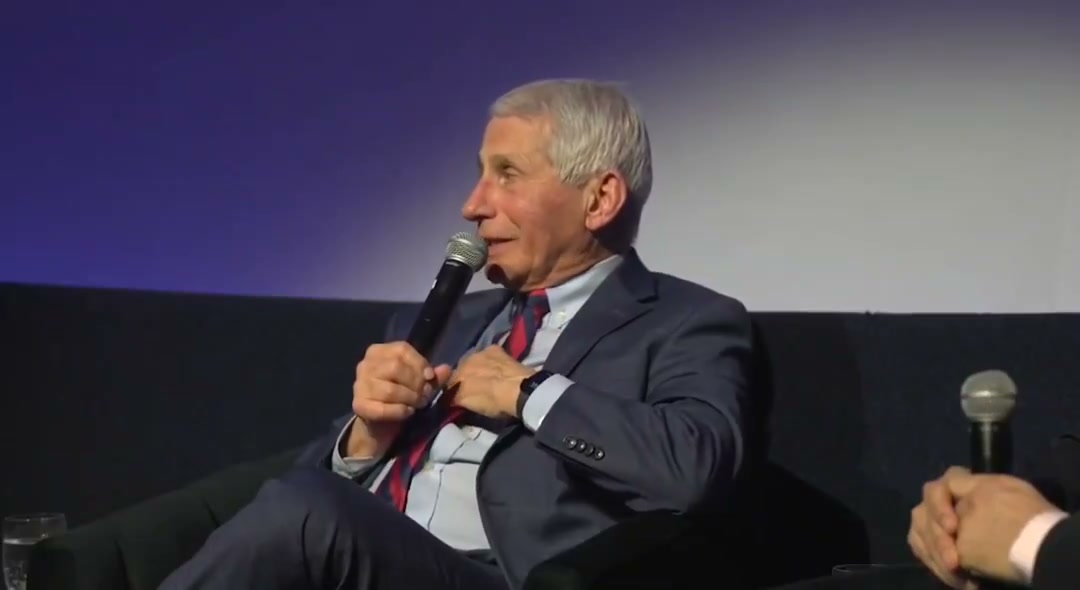
WASHINGTON - Secretary of State Marco Rubio defended the U.S. blockade tied to Project Freedom as a defensive response to Iran's attempt to control passage through the Strait of Hormuz, according to a local transcript of his White House briefing remarks.
Rubio said the United States was answering an Iranian blockade, not starting a separate offensive fight. The dispute matters for U.S. ships, U.S. forces and American fuel prices because the Energy Information Administration identifies Hormuz as the world's most important oil chokepoint.
What Happened
Rubio said the United States imposed the blockade because Iran had shut down passage through the Strait of Hormuz and was trying to make other countries seek permission to transit.
"This is what Iran is saying: We will shut down the Strait," Rubio said, according to the local transcript, with the intake transcript corrected for an automated transcription error that rendered Strait as "streets." "No country in the world can go through unless we allow you to go through and you have to pay us."

Rubio said Iran's position would let Iranian ships move while other countries' ships were stopped or charged. He called that unacceptable and said the U.S. response was reciprocal pressure.
"So the response to that is, we're going to blockade your ships," Rubio said. "If everyone's ships are not getting out, your ships are not getting out either. That's not an act of war. That's a defensive measure. It's a counter to what they have decided to do."
CENTCOM said in its Project Freedom release that U.S. forces would support a mission to restore freedom of navigation for commercial shipping through the Strait. The command said the support package included destroyers, more than 100 land and sea-based aircraft, multi-domain unmanned platforms and 15,000 service members.
The Legal Fight
Rubio argued that mining the waterway, not the U.S. blockade, was the act that should draw congressional scrutiny. His comments responded to unnamed members of Congress who, according to Rubio, had questioned the blockade.
"You know what is an act of war? Putting mines in the water," Rubio said. "Why don't the members of Congress, whoever it is is complaining about it, they should be all over that. These guys put mines in the water."
The 1907 Hague Convention VIII says it is forbidden to lay automatic contact mines off enemy coasts and ports with the sole object of intercepting commercial shipping. The treaty also restricts unanchored automatic contact mines unless they become harmless within one hour after control ends.
CENTCOM and the War Department have framed Project Freedom as a defensive mission. In a War Department transcript, Secretary of War Pete Hegseth said Project Freedom was "defensive in nature, focused in scope and temporary in duration," with the mission of protecting commercial shipping from Iranian aggression.
The Response
The administration's argument is that Washington is using military power to reopen a global trade route and prevent Iran from deciding which ships may pass. That view puts the blockade inside a freedom-of-navigation frame rather than an offensive-war frame.
Rubio said he was answering unnamed members of Congress who had questioned the blockade. His answer was that the Iranian mining threat created the legal and practical emergency.
International shippers and energy buyers are watching the same waterway for a different reason: delay. The EIA says chokepoint disruptions can raise shipping costs and world energy prices because some routes have no practical alternatives.
Economic Implications
Hormuz is a narrow military problem with a broad consumer-price channel. EIA analysis says about 21 million barrels per day of petroleum liquids moved through the Strait in 2022, equal to roughly 21% of global petroleum liquids consumption.
 Map: Wikideas1, via Wikimedia Commons (CC0).
The EIA also says about one-fifth of global liquefied natural gas trade moved through Hormuz in 2022. For Americans, the exposure comes through global benchmark prices, insurance costs, shipping delays and refined-fuel markets, even when many physical barrels moving through the Strait are bound for Asia.
EIA data shows the United States imported about 0.7 million barrels per day of crude oil and condensate through Hormuz from Persian Gulf countries in 2022. That was about 11% of U.S. crude oil and condensate imports and 3% of U.S. petroleum liquids consumption.
What People Are Saying
"This is what Iran is saying: We will shut down the Strait. No country in the world can go through unless we allow you to go through and you have to pay us," Rubio said, according to the local transcript.
"That's not an act of war. That's a defensive measure. It's a counter to what they have decided to do," Rubio said.
"You know what is an act of war? Putting mines in the water," Rubio said.
"Project Freedom is defensive in nature, focused in scope, and temporary in duration," Hegseth said, according to the War Department transcript.
"The Strait of Hormuz is the world's most important oil chokepoint because large volumes of oil flow through the strait," the EIA said in its analysis.
The Big Picture
Rubio's comments show how the administration is trying to define the Hormuz operation before Congress, allies and energy markets settle on their own interpretation. The White House argument is that Iran changed the status quo by threatening commercial passage and that the blockade is a countermeasure meant to reopen traffic.
The operational risk is that defensive rules of engagement still place U.S. forces close to Iranian forces and commercial traffic in a narrow waterway. The next test will be whether Project Freedom keeps ships moving without a confirmed clash between U.S. and Iranian forces, and whether Congress presses for a more formal debate over the mission's legal limits.