Court Remedies Force Google to Open Search Distribution and Data

Court Remedies Force Google to Open Search Distribution and Data
A federal court order targets default placement, search data and ad syndication as Washington tries to loosen Google's grip on how Americans find information online.
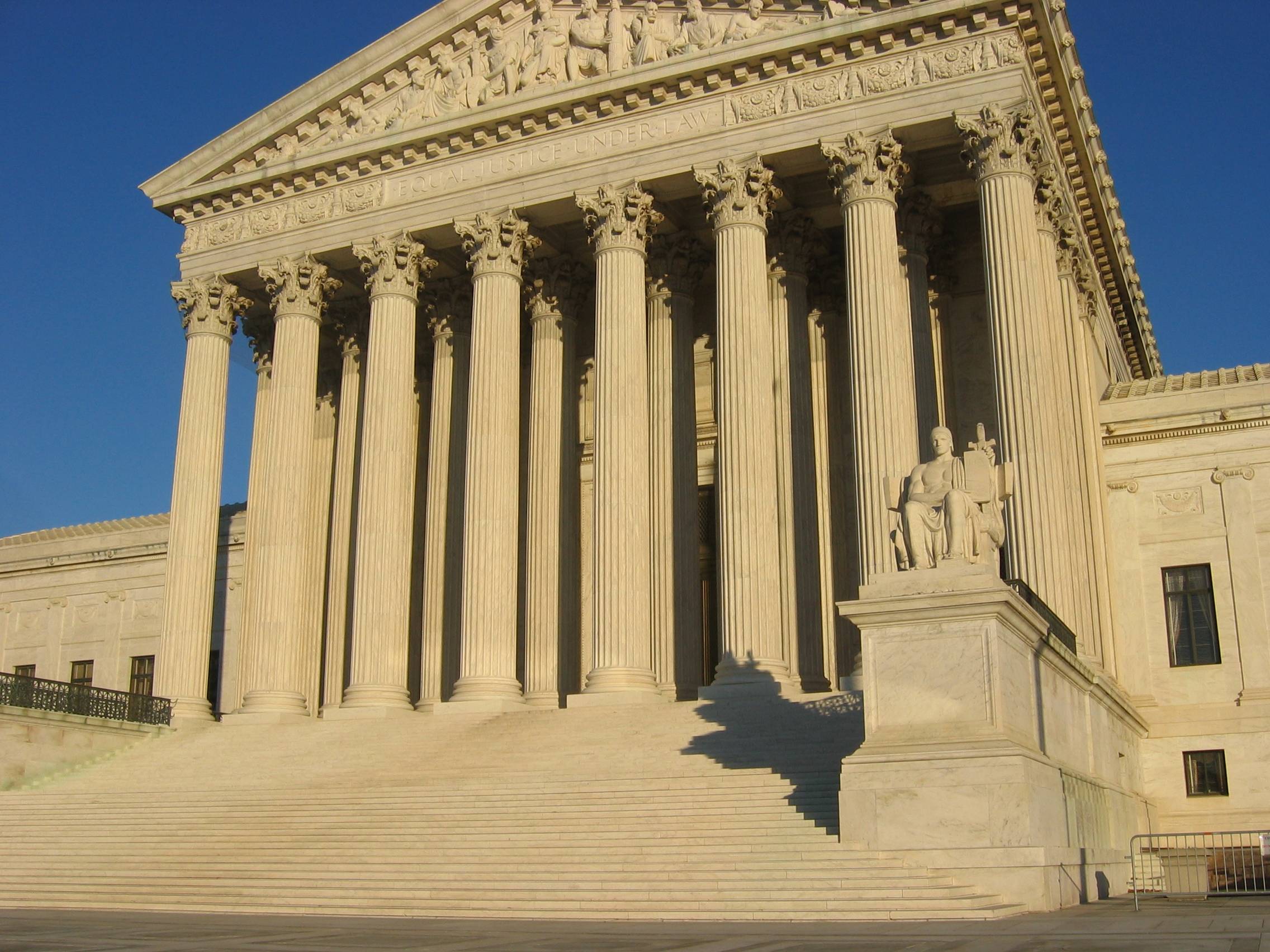
WASHINGTON, D.C. - The Justice Department said the U.S. District Court for the District of Columbia imposed remedies that bar Google from exclusive search distribution contracts and require access to certain search index and user interaction data for rivals.
The order does not break up Google. It instead attacks the mechanics that the government said kept Google Search in front of American users across phones, browsers, assistants and apps.
Why This Matters
The case reaches beyond a search box. The Justice Department said the remedies also cover Google Assistant and the Gemini app, which means the court treated AI entry points as part of the next fight over default access to information.
For American consumers, the practical question is whether conduct limits can create real choice without disrupting products people already use. For advertisers and publishers, the question is whether search ad syndication and more competition in general search can alter prices, measurement and traffic flows in a market the Justice Department said Google dominated for years.
The Story So Far
The Justice Department filed the search monopolization case in October 2020 during President Donald Trump's first term. DOJ said the original filing was joined by 11 state attorneys general, and the remedies phase ultimately included the United States, 49 states, two territories and the District of Columbia.
In August 2024, the district court issued a liability opinion after a nine-week bench trial that started in September 2023. DOJ quoted the court as finding that "Google is a monopolist, and it has acted as one to maintain its monopoly" in violation of Section 2 of the Sherman Act.
The remedies followed a 15-day trial in May 2025, according to DOJ. The department's case page lists the Final Judgment and Memorandum Opinion as dated Dec. 5, 2025, while DOJ's public announcement on the remedies was live Wednesday.


DOJ said Google accounted for about 90 percent of all search queries in the United States and used exclusionary agreements to secure the primary access points where users begin searches. The department said those agreements required Google to be the preset default general search engine on billions of mobile devices and computers, and in many cases restricted preinstallation of competitors.
Google said it disagrees strongly with the court's August 2024 liability decision. In its public statement, the company said AI has changed the industry by giving users more ways to find information, and argued that "competition is intense and people can easily choose the services they want."
What's Happening Now
DOJ said the district court prohibited Google from entering or maintaining exclusive contracts related to distribution of Google Search, Chrome, Google Assistant and the Gemini app. The department said the order also requires Google to make certain search index and user interaction data available to rivals and potential rivals.
The remedies also require Google to offer search and search text ads syndication services to certain competitors, according to DOJ. That means rivals could deliver search results and search ads while trying to build their own capacity, instead of needing a full independent search stack before they can compete for users.
DOJ described the distribution provisions in four parts. The department said Google cannot condition licensing of a Google app on distribution, preloading or placement of Search, Chrome, Google Assistant or Gemini anywhere on a device. DOJ also said Google cannot condition revenue share payments for one Google app on placement of another Google app, cannot tie revenue share payments to maintaining those services on a device, browser or search access point for more than one year, and cannot prohibit a partner from simultaneously distributing another general search engine, browser or GenAI product.
Google framed the ruling differently. The company said, "Now the Court has imposed limits on how we distribute Google services, and will require us to share Search data with rivals. We have concerns about how these requirements will impact our users and their privacy, and we're reviewing the decision closely."
That privacy argument is central to the technical remedy. Search index access and user interaction data can help rivals improve ranking quality and relevance, but Google said compelled sharing raises user privacy concerns. DOJ's summary limits the mandate to "certain" data and "certain" competitors, so the final compliance details will matter as much as the headline remedy.
The Conservative View
The Trump administration framed the ruling as a law enforcement win against monopoly conduct by a dominant technology platform. Attorney General Pamela Bondi said the decision was "an important step forward in the Department of Justice's ongoing fight to protect American consumers."
Assistant Attorney General Abigail Slater tied the remedy directly to the first Trump administration's filing. "The first Trump administration sued Google to restore competition for millions of Americans subjected to Google's monopoly abuses," Slater said. "Today, the second Trump administration has won a remedy to do just that."
That view treats default access as economic power, not just product design. Under DOJ's theory, Americans were not merely choosing Google because of quality. The department said Google bought preferential treatment for its search engine, used monopoly profits to sustain that position, and created what DOJ called a "self-reinforcing cycle of monopolization."
The Progressive View
Progressive antitrust arguments often focus on concentrated gatekeeper power, and DOJ's remedies announcement gives that camp a concrete enforcement model: restrict exclusive defaults, open data needed for competition and police the path from search into AI assistants.
DOJ said the court's ruling recognizes the need to "pry open the market for general search services" after more than a decade in which the market was frozen in place. The department also said the remedies will reach GenAI technologies and companies because Google should not be able to use the same tactics for AI products that the court found unlawful in search.
The progressive case for the remedy is not only consumer choice. It is also about whether a platform that controls search can shape traffic, advertising access and the economics of online publishing. DOJ said the search and search ads remedies are meant to let rivals and potential rivals compete while they develop their own capacity.
Other Perspectives
Google's view is that the court rejected the most severe structural remedy sought by the government. The company said, "The Court did recognize that divesting Chrome and Android would have gone beyond the case's focus on search distribution, and would have harmed consumers and our partners."
For rivals and developers, the remedy is useful only if the technical terms are workable. DOJ said the order covers certain index data, user interaction data and search ad syndication services, but the commercial value will depend on eligibility, latency, coverage, privacy rules and whether the data can actually improve competing products.
For consumers, the tradeoff is choice against complexity. DOJ said the order is meant to restore competition and prevent exclusion across search, browsers and AI products. Google said users already have choice and warned that data sharing may affect privacy.
For device makers and browser partners, the revenue share limits could change contract economics. DOJ said Google cannot use certain revenue share payments to require placement of multiple Google services or block simultaneous distribution of competing search, browser or GenAI products.
From Microsoft to Google to AI Defaults
The cascade starts with a familiar antitrust pattern: control over a default access point can protect power in a related market. In the Microsoft browser case, federal enforcers challenged how operating system control affected browser distribution. In the Google case, DOJ said browser, device, assistant and app defaults protected search and search advertising scale.
The mechanism is default lock-in. Search quality improves with query volume, click feedback, ad demand and index refinement. DOJ's theory is that a dominant search company can use payments and contract terms to control distribution before rivals get enough user traffic to prove whether their products are better.
The AI link is why Gemini matters. DOJ said the remedies cover Google Assistant and the Gemini app, and said the ruling recognizes the need to stop Google from using the same anticompetitive tactics for GenAI products as it used in search. That means enforcers are treating AI assistants as future search access points, not as a separate side market.
The unresolved question is whether behavioral remedies can change a network-effect market. The court did not require Chrome or Android divestiture, according to Google. DOJ instead emphasized contract limits, data access and syndication, which will depend on compliance monitoring and the ability of rivals to turn access into durable consumer adoption.
Economic Implications
Search is also an advertising market. DOJ said Google maintained monopolies in search and search advertising, and the remedies require Google to offer search text ads syndication services to certain competitors. If rivals can use those services to serve ads while improving search quality, advertisers may eventually gain more places to buy intent-based search ads.
The near-term impact will likely run through contract terms rather than consumer prices. DOJ said Google used revenue share payments and default placement agreements to secure key access points. Limits on those terms could change bargaining power for browser companies, device makers and other distribution partners that have treated default search placement as a major commercial asset.
The American business stakes are broader than one company. Search directs consumer demand, publisher traffic and small business advertising budgets. DOJ's remedy theory says more competitive access points can reduce dependence on one gatekeeper, while Google's response says forced data sharing and distribution limits could affect privacy, consumers and partners.
By the Numbers
- About 90 percent: Google's share of U.S. search queries, according to the Justice Department.
- 49 states, two territories and the District of Columbia: the government partners DOJ said joined the United States in pursuing the remedies.
- Nine weeks: length of the liability bench trial that began in September 2023, according to DOJ.
- 15 days: length of the remedies trial in May 2025, according to DOJ.
- Four services: Google Search, Chrome, Google Assistant and Gemini are named in DOJ's summary of the distribution restrictions.
What People Are Saying
"The court's ruling today recognizes the need for remedies that will pry open the market for general search services, which has been frozen in place for over a decade," the Justice Department said.
"This decision marks an important step forward in the Department of Justice's ongoing fight to protect American consumers," Attorney General Pamela Bondi said.
"The first Trump administration sued Google to restore competition for millions of Americans subjected to Google's monopoly abuses," Assistant Attorney General Abigail Slater said. "Today, the second Trump administration has won a remedy to do just that."
"Google is a monopolist, and it has acted as one to maintain its monopoly," the district court found in the August 2024 liability opinion, according to DOJ.
"Now the Court has imposed limits on how we distribute Google services, and will require us to share Search data with rivals," Google said. "We have concerns about how these requirements will impact our users and their privacy, and we're reviewing the decision closely."

The Big Picture
The order is a test of whether U.S. antitrust enforcement can open a mature platform market without dismantling the company that built it. DOJ won limits on exclusivity, access to certain data and search ad syndication. Google avoided Chrome and Android divestiture, according to its statement.
The next fight will be technical and commercial. Compliance will turn on who qualifies for data and syndication, how privacy protections are implemented, and whether distribution partners treat one-year limits as a real opening for competitors.
The AI stakes make the case larger than yesterday's search market. DOJ said Gemini and Google Assistant are covered because default placement can carry the same competitive effects into GenAI. If AI assistants become a main gateway to the web, this ruling may shape who controls that gateway for American users and advertisers.