Supreme Court Weighs Who Controls Temporary Protected Status
Supreme Court Weighs Who Controls Temporary Protected Status
The Haiti and Syria cases test how far courts can go when DHS ends a temporary immigration protection that carries work authorization.
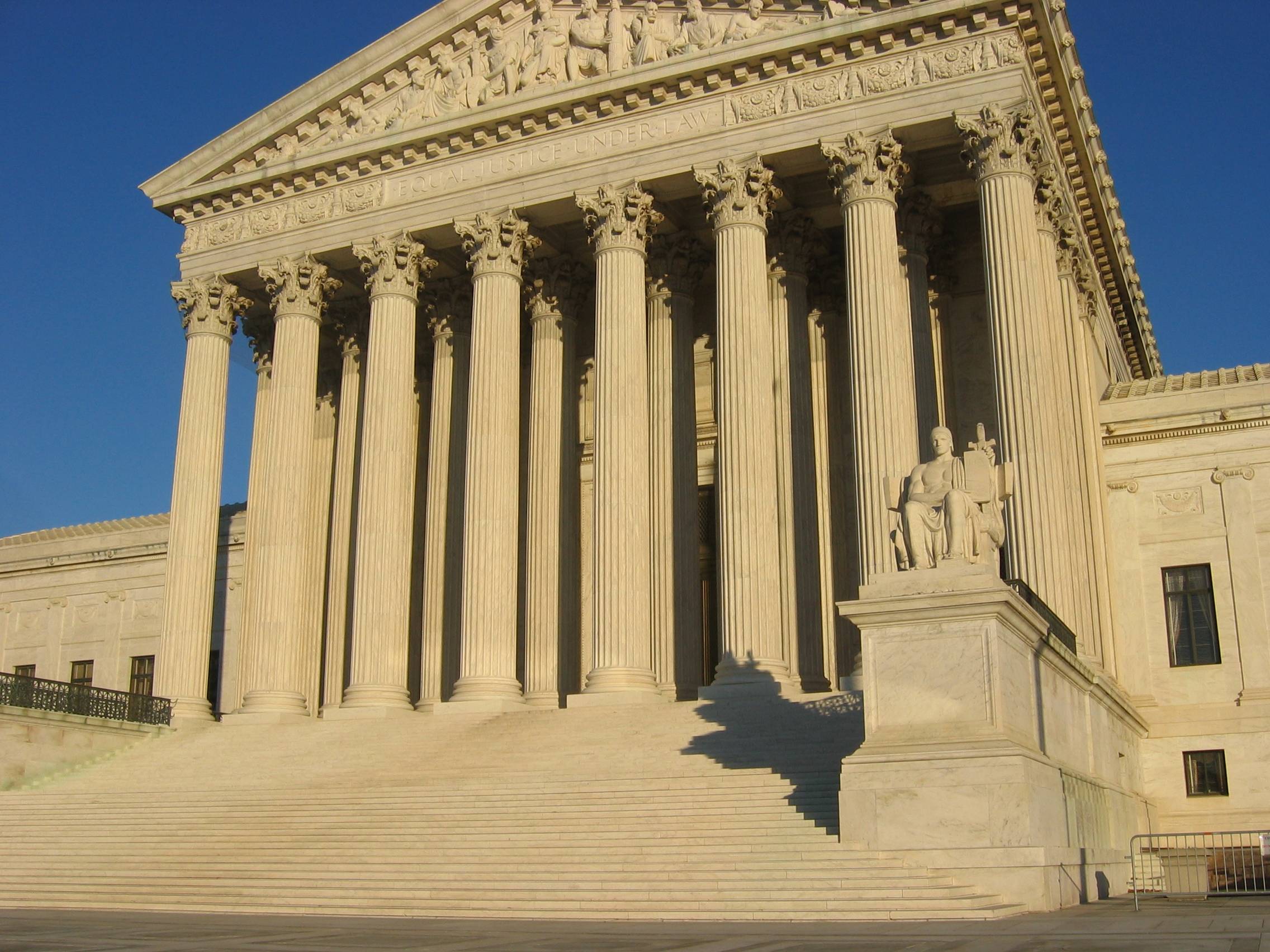
The Supreme Court is hearing consolidated cases Wednesday over the Trump administration's effort to end Temporary Protected Status for Haitian and Syrian nationals, a fight that reaches beyond immigration law into work authorization, employer planning, executive power, and lower-court authority.
The Court's docket in Trump v. Miot says the cases were set for argument on April 29, 2026, after the justices treated emergency stay applications as petitions for review before final judgment and granted them. The docket says the cases were consolidated for one hour of oral argument.
The human question is direct: what happens to people who were allowed to live and work in the United States under a temporary country designation when the executive branch says the emergency has ended, but lower courts say the legal fight is not over?
The Mechanism
Temporary Protected Status is a statutory immigration protection for nationals of designated countries who are already in the United States when war, disaster, or extraordinary conditions make return unsafe. Federal Register notices for Haiti and Syria cite section 244 of the Immigration and Nationality Act as the legal framework for country designations and terminations.
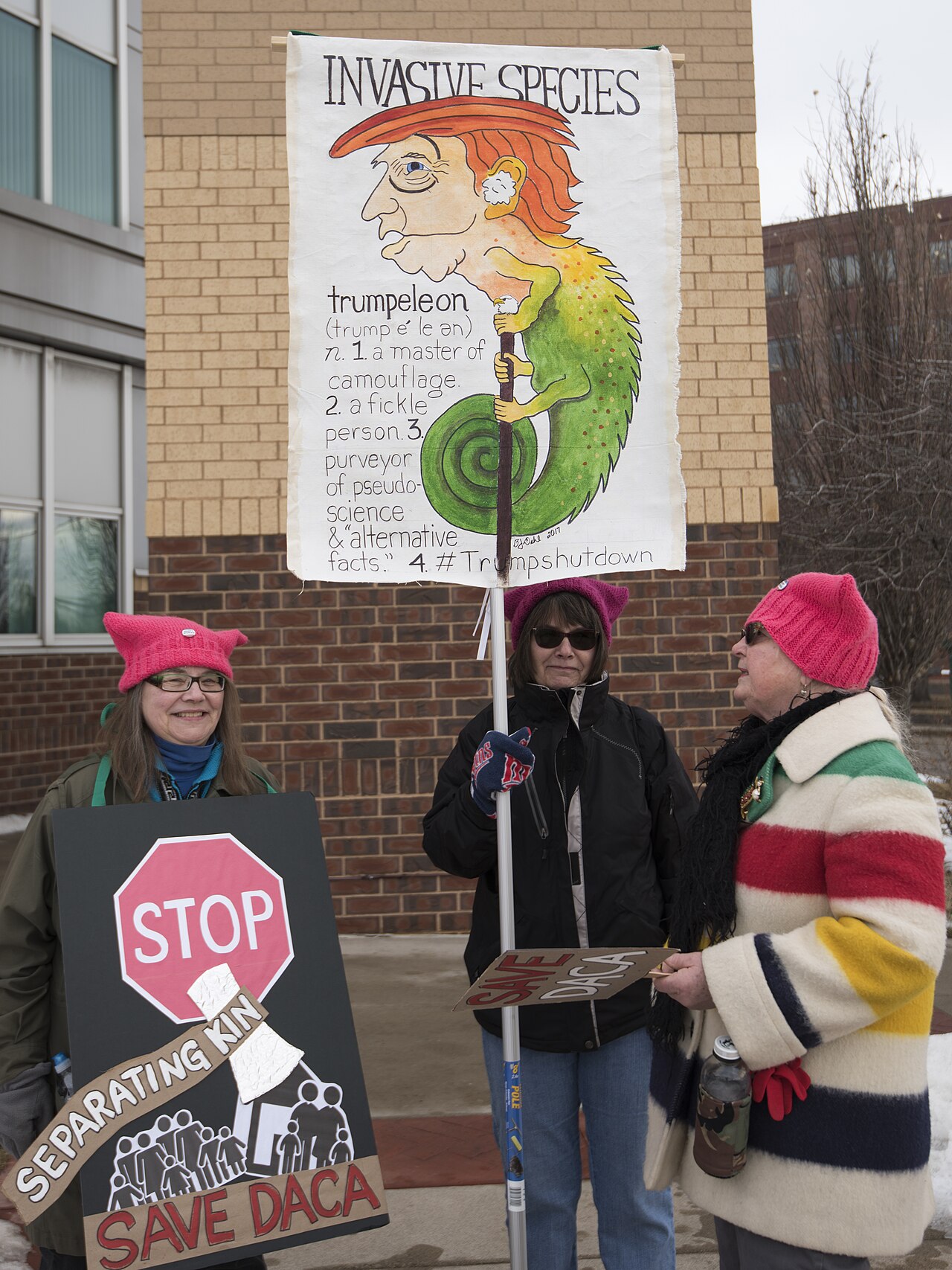
The mechanism works in three steps. First, DHS designates a country or extends a designation after reviewing country conditions and consulting with other U.S. government agencies, according to the Federal Register notices. Second, eligible nationals who meet the rules can remain temporarily in the United States and may receive work authorization, according to USCIS country pages. Third, DHS must decide before expiration whether the country still meets the statutory conditions.
The work authorization piece is why the cases matter outside immigration court. USCIS tells TPS holders to use Form I-821 for status and Form I-765 for employment authorization. That means a country-designation decision can also decide whether a worker can keep presenting a valid federal employment document to an employer.
The current litigation turns on the third step. DHS published notices terminating Syria's designation effective November 21, 2025, and Haiti's designation effective February 3, 2026. The Syria notice says the secretary determined that Syria "no longer continues to meet the conditions" for TPS. The Haiti notice says the secretary determined that Haiti "no longer meets the conditions" for TPS.
Lower court orders have kept work authorization alive while the cases proceed. USCIS says Employment Authorization Documents issued under Haiti TPS with original expiration dates ranging from July 22, 2017, through February 3, 2026, are extended per court order in Miot et al. v. Trump et al. USCIS says Syria TPS work permits with original expiration dates of March 31, 2021, September 30, 2022, March 31, 2024, and September 30, 2025, are extended per court order in Dahlia Doe v. Noem.
That is the practical pressure point. If DHS wins quickly, termination decisions can take effect sooner. If the challengers win or lower-court orders remain in force, work permits and protection from removal can remain in place while litigation continues.
The Failure Mode
TPS is designed to be temporary, but the program can become legally and politically difficult to unwind after repeated extensions. The Federal Register notice for Syria lists an original Syria TPS designation in March 2012, followed by extensions or redesignations in 2013, 2015, 2016, 2018, 2019, 2021, 2022, and 2024. The Haiti notice lists an original Haiti designation in January 2010, followed by extensions, redesignations, and termination litigation across multiple administrations.
The administration's argument, as reflected in the Federal Register notices, is that repeated extensions can turn a temporary status into a long-running immigration category. The Haiti notice says the intent of TPS was to create a temporary safe haven for people already in the United States and says using TPS for successive waves of new arrivals may create a pull factor for illegal immigration.
The challengers' strongest argument is reliance. USCIS's own country pages show that people with Haiti and Syria TPS have had work permits across many expiration cycles. Families, employers, landlords, and local governments make plans around legal work authorization when federal agencies renew it for years.
The Supreme Court docket shows the institutional issue. On March 16, the Court deferred consideration of two stay applications, treated them as petitions for review before final judgment, granted review, consolidated the cases, and allotted one hour for oral argument. That posture puts emergency relief, final review, and lower-court power into one compressed argument.
 Photo by Qwer132477, via Wikimedia Commons (CC BY 4.0)
What the Data Actually Shows
The clearest official data in the record is procedural and administrative. The Supreme Court docket says the cases were set for argument on April 29. It also says the emergency applications were treated as petitions before final judgment, the petitions were granted, and the cases were consolidated.
USCIS's Haiti page says multiple categories of Haiti TPS Employment Authorization Documents remain extended by court order. USCIS's Syria page says the same for several Syria TPS work-permit expiration dates. Those notices show that the litigation is not abstract for affected workers. It controls whether a federal document used for lawful work remains valid.
The Federal Register data shows the duration problem. Syria's designation traces back to 2012 in the notice's history. Haiti's designation traces back to 2010 in the notice's history. DHS's legal position is that country conditions no longer satisfy TPS criteria. The opposing position is that DHS cannot end protection in a way that violates law, procedure, or court review.
What is settled is that TPS does not create permanent residence by itself. The Federal Register notices describe it as temporary protection tied to country conditions. What is contested is how much discretion DHS has when it ends a designation, and how long lower courts may preserve protection while they decide whether the termination was lawful.
US Relevance
For Americans, the case is about three domestic systems at once: immigration control, labor authorization, and judicial review. Employers that accepted valid work documents under federal rules need to know whether those documents remain valid. Federal agencies need to know whether country-condition determinations can be halted by district courts. Local governments and service providers need to know whether affected residents keep lawful work authorization or move into legal uncertainty.
The conservative and administration-aligned view centers executive discretion and border control. The Syria and Haiti notices cite national interest, public safety, and the statutory nature of temporary protection. Restrictionist groups listed on the Supreme Court docket, including the Federation for American Immigration Reform, are participating as amici.
That argument also has a federalism component. Immigration enforcement is a federal function, and the Federal Register notices say the secretary must consult appropriate U.S. government agencies before extending or ending a designation. Supporters of broad executive authority argue that district courts should not be able to freeze a national country-conditions judgment for months while the administration's policy is litigated.
The progressive and immigrant-rights view centers humanitarian conditions, reliance, and legal process. The Supreme Court docket lists amici including the AFL-CIO and local governments or local government leaders. Their participation signals the labor and municipal dimensions of the dispute.
The separation-of-powers question matters even for Americans who have no direct connection to TPS. If the Court gives DHS broad room to terminate designations and limits lower-court relief, presidents will have more control over fast immigration-policy reversals. If the Court preserves strong lower-court authority, future administrations may face longer litigation windows before major immigration changes take practical effect.
The Big Picture
The immediate question before the justices is not whether TPS should exist. Congress created the status, and DHS has used it for decades. The question is who gets the final practical word when DHS says a country's emergency no longer qualifies but challengers say the agency acted unlawfully.
The cases also show why temporary immigration programs become hard to end. Once work permits last across many years, the legal category may remain temporary on paper while employers, families, and communities experience it as a long-term fact.
The next signals are the oral argument questions, any emergency order on the stay applications, and the eventual merits decision. Those steps will determine whether the Haiti and Syria terminations can proceed now, whether lower-court orders continue to control work authorization, and how much room future presidents have to reverse inherited TPS designations.
For workers and employers, the important document to watch is not only the Court's final opinion. It is also any interim order that changes the validity of EADs listed on the USCIS Haiti and Syria pages. A short order could decide the practical status quo long before the justices write a full merits decision.
<!-- self-critique: Added a step-by-step TPS mechanism; tied the economic impact to work authorization and employer planning; clarified what is settled versus contested before the Court. -->