Hegseth Tells Allies To Step Up In Iran Waterway Mission

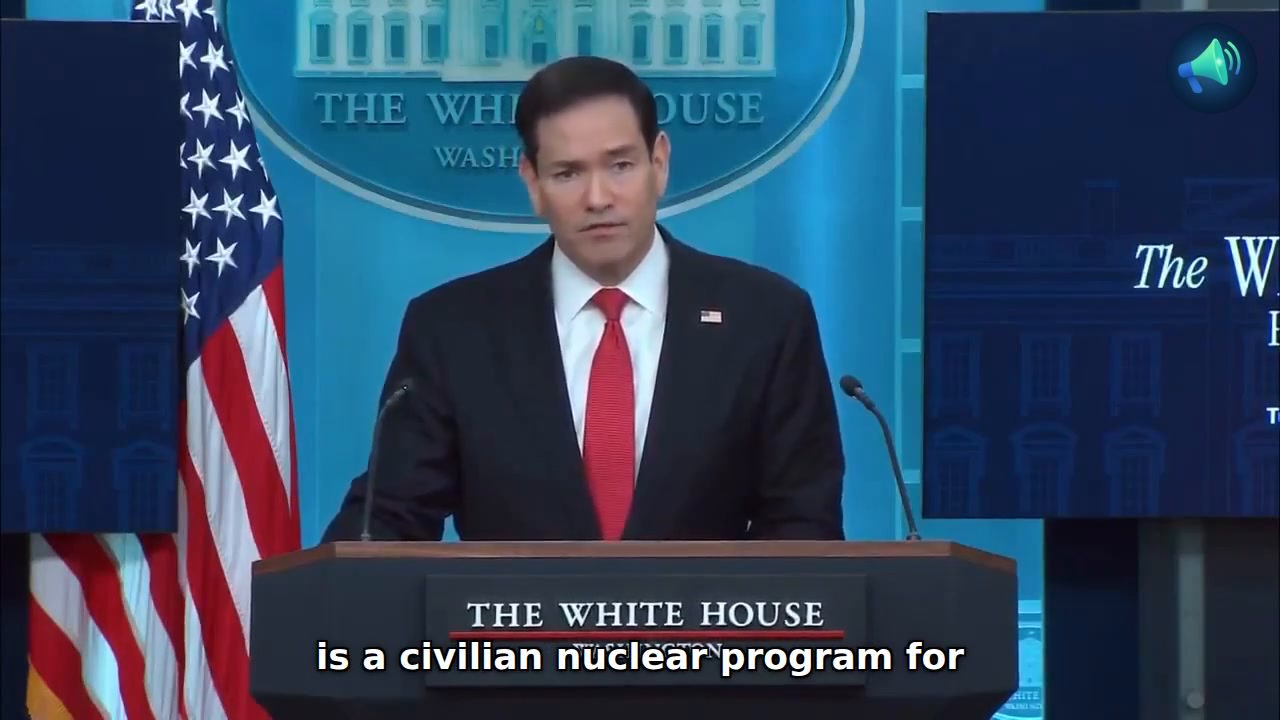
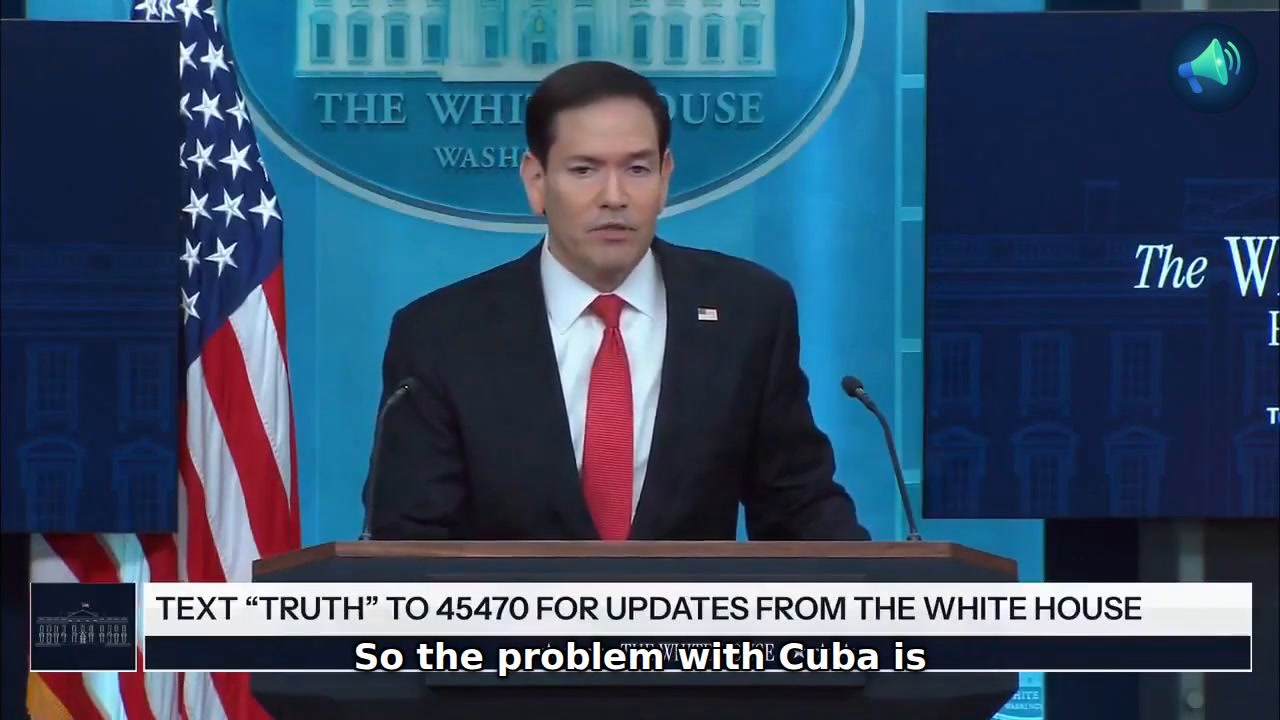
WASHINGTON, D.C. - Secretary of War Pete Hegseth said the United States is treating its Iran waterway mission as temporary and expects allies, partners and other nations to take responsibility for keeping commerce moving through international waters.
The statement came in a video clip from a formal War Department briefing reviewed by People's Voice Media. Hegseth did not name the waterway in the short excerpt, but the surrounding context points to the Strait of Hormuz, the Persian Gulf chokepoint that U.S. officials, lawmakers and energy agencies have described as central to the Iran conflict and global oil trade.
The message was direct: Washington says it is stabilizing the route now, but does not want to own the mission indefinitely.
The Story So Far
The War Department has described Operation Epic Fury as a military campaign against Iranian command-and-control facilities, air defenses, missile and drone launch sites, military airfields and naval forces. In a department article on the operation, Hegseth said the mission is focused on destroying Iranian offensive missiles, missile production, the Iranian navy and other security infrastructure, while preventing Iran from obtaining nuclear weapons.
"The mission of Operation Epic Fury is laser-focused," Hegseth said during a Pentagon briefing, according to the War Department article. "Destroy Iranian offensive missiles, destroy Iranian missile production, destroy their navy and other security infrastructure, and they will never have nuclear weapons."
The department article said U.S. forces began the operation Feb. 28 and that American forces had repositioned carrier strike groups, aircraft, refueling tankers, munitions and other assets across the region before the campaign began.
CENTCOM has also framed the conflict around civilian safety and Iranian use of populated areas for military launches. In a March 8 safety warning, CENTCOM said Iranian forces were launching attack drones and ballistic missiles from crowded areas in cities including Dezful, Esfahan and Shiraz. CENTCOM said the U.S. military takes "every feasible precaution to minimize harm to civilians" but cannot guarantee safety near facilities used for military purposes.
What's Happening Now
Hegseth's latest clip shifted the focus from battlefield goals to the question of who keeps trade routes open after U.S. forces reduce their role.
"These international waters belong to all nations, not to Iran," Hegseth said in the local transcript reviewed in the research file. The transcript begins mid-sentence with Hegseth saying Iran should "let innocent ships pass freely."
He then addressed other governments directly.
"To our partners, allies, and the rest of the world, this is a temporary mission for us," Hegseth said. "As I've said before, the world needs this waterway a lot more than we do. We're stabilizing the situation so commerce can flow again, but we expect the world to step up."
Hegseth added that "at the appropriate time and soon" the United States would hand responsibility back to others.
The administration's burden-sharing message is consistent with the way Hegseth has framed Epic Fury in prior official statements. The War Department article quoted him saying the campaign is not an Iraq-style or Afghanistan-style nation-building effort. "Our ambitions are not utopian; they are realistic, scoped to our interests and the defense of our people and our allies," Hegseth said in that article.
Why The Waterway Matters
 Image: Wikimedia Commons / CC BY-SA 3.0
The Strait of Hormuz connects the Persian Gulf with the Gulf of Oman and the Arabian Sea. The U.S. Energy Information Administration describes it as one of the world's most important oil chokepoints because large volumes of petroleum move through it and few alternatives exist if the route closes.
EIA said oil flows through the strait averaged 20 million barrels per day in 2024, equal to about 20 percent of global petroleum liquids consumption. EIA also said Hormuz flows in 2024 and the first quarter of 2025 made up more than one-quarter of total global seaborne oil trade and about one-fifth of global liquefied natural gas trade, mostly from Qatar.
That is the economic mechanism behind Hegseth's statement that the world needs the route. A sustained closure would not only affect U.S. military posture. It would hit Asian importers, Gulf exporters, insurers, tanker operators, refiners and consumers exposed to global fuel prices.
EIA said some bypass capacity exists through Saudi and Emirati pipelines, but it estimated only about 2.6 million barrels per day of available pipeline capacity could bypass Hormuz during a disruption. That figure is far below the 20 million barrels per day of oil flows EIA reported for 2024.
The Conservative View
Republican supporters of the administration's approach argue that Hegseth is setting a clear limit on U.S. responsibility while preserving American military dominance.
Sen. Jim Risch, R-Idaho, chairman of the Senate Foreign Relations Committee, said after meeting with Gulf Cooperation Council and Jordanian partners in March that Iran was threatening "the free flow of maritime commerce through the Strait of Hormuz." Risch said the mission would benefit the United States, the Middle East and Gulf partners.
Supporters of burden-sharing can point to the geography and trade math. EIA data shows Hormuz is critical to global energy flows, but much of the oil and gas moving through the strait serves markets outside the United States. From that view, Hegseth's message is that U.S. forces can reopen space for commerce, while countries that depend most on the route should carry more of the security load.
That argument also fits the administration's broader language on limited military aims. Hegseth has said Epic Fury is not a nation-building project and does not have open-ended political goals inside Iran.
The Progressive View
Critics of the operation are likely to focus on the risks of escalation, civilian harm and congressional authority. CENTCOM's own warning said military locations inside crowded areas could become targets under international law, while also acknowledging that civilian safety near such facilities cannot be guaranteed.
That creates a humanitarian and legal dispute around the campaign. Supporters say Iran is endangering civilians by using populated areas for military launches. Critics can argue that U.S. strikes still require continuing scrutiny, public casualty assessments and clear limits approved by Congress.
The handoff language may not settle those concerns. If the United States says it will transfer responsibility soon, critics may ask who receives that mission, what rules of engagement apply, and whether allied ships or regional forces could pull Washington back into a wider confrontation if Iran challenges them.
Other Perspectives
Allied and Gulf governments have their own incentives. Gulf states depend on maritime trade and energy exports, but they also have to manage retaliation risks, domestic politics and diplomatic channels with Tehran. Risch's statement named Bahrain, Kuwait, Oman, Qatar, Saudi Arabia, the United Arab Emirates and Jordan as partners in the regional discussion.
Shipping operators and insurers view the issue in operational terms. The question is not only whether a route is legally open, but whether vessels, crews, cargo owners and underwriters believe passage is safe enough to resume normal traffic. Hegseth's phrase "commerce can flow again" speaks to that commercial confidence problem.
Iran's position was not available in the briefing clip. Hegseth accused Iran of interfering with innocent ships and said the waters belong to all nations. Any Iranian government response would need to be weighed against primary statements from Tehran, the International Maritime Organization, regional governments and shipping security authorities.
 Photo: U.S. Navy / Mass Communication Specialist 1st Class Jesse Monford via Wikimedia Commons (public domain)
Economic Implications
The immediate economic stakes are energy, insurance and shipping time. EIA said the inability of oil to transit a major chokepoint, even temporarily, can create supply delays, raise shipping costs and increase world energy prices. That mechanism explains why a security mission around Hormuz can matter to U.S. households even when most cargoes are bound elsewhere.
Higher tanker risk can flow into insurance premiums, freight rates and delivered crude costs. If those costs persist, refiners can pass some of them into diesel, jet fuel and gasoline markets. The scale depends on how much traffic returns, whether attacks continue, and whether traders believe the U.S. handoff will reduce or raise the risk of another interruption.
The burden-sharing fight also has a fiscal side. A U.S.-led security mission uses ships, aircraft, munitions, maintenance, logistics and personnel time. If partners assume more responsibility, Washington may reduce direct costs. If partners cannot provide credible security, U.S. forces may remain the backstop even after officials describe the mission as temporary.
By The Numbers
- 20 million barrels per day: Average oil flow through the Strait of Hormuz in 2024, according to EIA.
- 20 percent: Share of global petroleum liquids consumption represented by 2024 Hormuz oil flows, according to EIA.
- More than one-quarter: Share of global seaborne oil trade moving through Hormuz in 2024 and the first quarter of 2025, according to EIA.
- About one-fifth: Share of global liquefied natural gas trade that crossed Hormuz in 2024, according to EIA.
- 2.6 million barrels per day: Estimated available Saudi and UAE pipeline capacity that could bypass Hormuz during a disruption, according to EIA.
What People Are Saying
"To our partners, allies, and the rest of the world, this is a temporary mission for us," Hegseth said in the local transcript.
"We're stabilizing the situation so commerce can flow again, but we expect the world to step up," Hegseth said.
"The mission of Operation Epic Fury is laser-focused," Hegseth said in a War Department article. "Destroy Iranian offensive missiles, destroy Iranian missile production, destroy their navy and other security infrastructure, and they will never have nuclear weapons."
"Iran's reaction to Operation Epic Fury proves its commitment to terrorism, including targeting civilian populations and infrastructure in neighboring countries and threatening the free flow of maritime commerce through the Strait of Hormuz," Risch said.
"The U.S. military takes every feasible precaution to minimize harm to civilians but cannot guarantee civilian safety in or near facilities used by the Iranian regime for military purposes," CENTCOM said.
The Big Picture
Hegseth's clip gives the Iran campaign a second test beyond military results. The administration is not only asking whether U.S. strikes can degrade Iranian capabilities. It is asking whether allies and trade-dependent governments can take over enough maritime security to let Washington step back.
The next questions are practical. Officials will need to define which governments or forces receive responsibility, what security guarantees shippers will trust, and whether Iran changes its behavior around commercial vessels.
For Americans, the outcome will show up in fuel prices, military deployments and the risk that a temporary mission becomes a longer regional obligation. Hegseth is saying the United States does not want that outcome. The handoff will show whether the rest of the world is prepared to accept the role he described.
MERGED UPDATE NOTE
Do not publish this as a standalone article. This related-angle intake has been merged into obsidian/06-data/articles/published/2026-05-04-project-freedom-hormuz-transit.md. Use this file only as social/update copy if needed.