
Hegseth Backs Star Act as GOP Cost Fight Stalls Veterans Bill
The defense secretary's answer gave supporters a Trump administration voice, but the Senate fight still runs through a $78 billion budget score and a dispute over what counts as earned benefits.
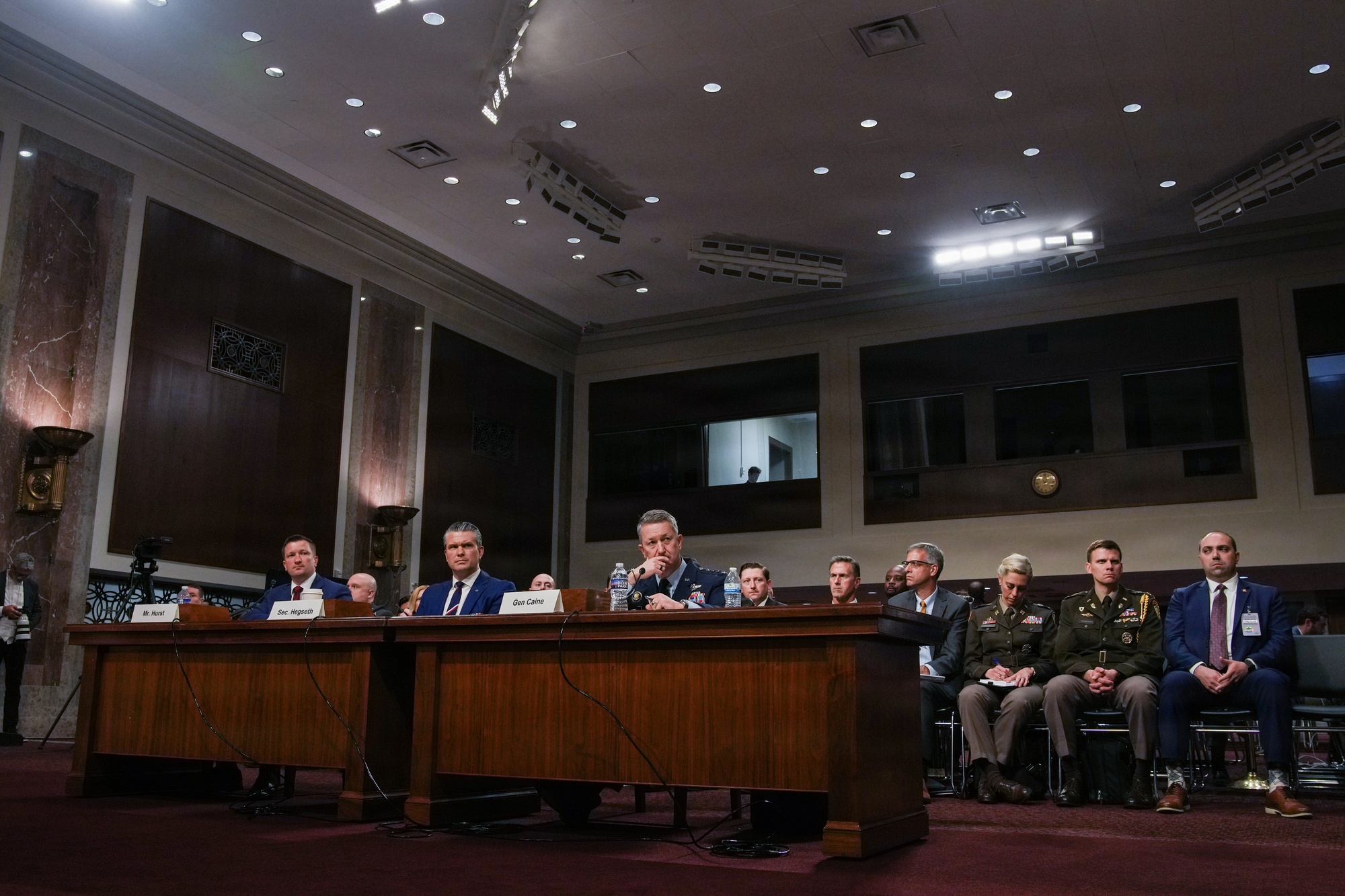
WASHINGTON. Defense Secretary Pete Hegseth said he supports the Major Richard Star Act during an April 30 Senate Armed Services Committee budget hearing, according to the Senate Veterans' Affairs Committee, giving new momentum to a bipartisan veterans benefits bill that remains blocked by Republican cost objections.
The legislation would let certain combat disabled military retirees receive both military retired pay and Department of Veterans Affairs disability compensation without the current offset, according to the bill text posted by GovInfo. Supporters call the offset a wounded warrior tax. Cost hawks call the bill an unaffordable expansion of mandatory benefits unless lawmakers find an offset.
The dispute puts Congress in a familiar fiscal bind. Lawmakers from both parties say combat injured retirees earned the payments through service and disability. The Congressional Budget Office says the House version would increase direct spending by $78 billion over 2026 to 2036.
The Story So Far
The Major Richard Star Act is S. 1032 in the Senate and H.R. 2102 in the House, according to Congress.gov. The Senate bill was introduced March 13, 2025, read twice, and referred to the Senate Armed Services Committee. The House bill was introduced March 14, 2025, and later referred to the House Veterans' Affairs Subcommittee on Disability Assistance and Memorial Affairs.
GovInfo's bill text says S. 1032 would amend Title 10 of the U.S. Code to provide concurrent receipt of veterans' disability compensation and retired pay for disability retirees with combat related disabilities. The mechanism matters because the proposal does not create an entirely new benefit stream. It changes whether eligible Chapter 61 disability retirees can receive two existing streams at the same time.
Sponsors say current law leaves out more than 50,000 combat injured military retirees. In a March 2025 release, Sens. Richard Blumenthal, Mike Crapo, Elizabeth Warren, and Rick Scott said only veterans with disability ratings above 50 percent and more than 20 years of service are eligible to receive the full amount of both Defense Department retirement and VA disability payments.
That is the benefits argument at the center of the bill. Supporters say a service member forced out by combat related disability should not lose retirement pay because the injury ended a career before the 20 year mark. Opponents say Congress cannot treat every sympathetic case as a new entitlement without deciding how to pay for it.
What's Happening Now
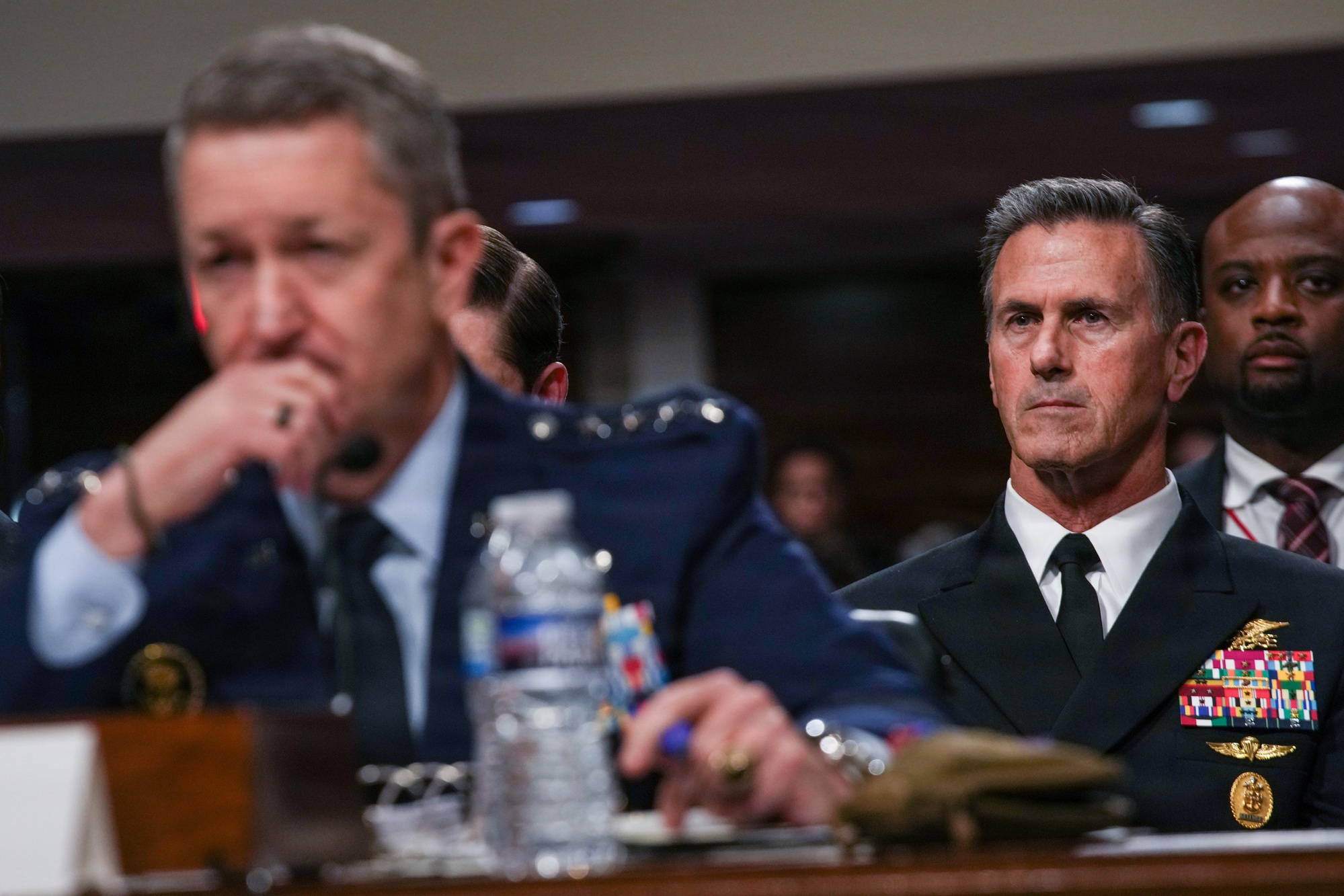
The new political hook is Hegseth's answer to Blumenthal at the April 30 hearing on the Department of Defense budget request for fiscal year 2027 and the future years defense program. The Senate Armed Services Committee hearing page identifies Hegseth, Jules W. Hurst III, and Gen. J. Daniel Caine as witnesses.
Blumenthal asked Hegseth for a commitment that he would support the Major Richard Star Act. The Senate Veterans' Affairs Committee release quotes Hegseth saying, "As I have said in the past to other organizations, we support the Richard Star Act."
That answer matters because the bill's supporters now have a Defense Department leader on record during a budget hearing. It does not, by itself, move the bill out of committee or resolve the cost dispute. Congress.gov still lists the Senate bill as referred to Armed Services, and the House companion as referred to a veterans subcommittee.
The same Senate Veterans' Affairs release said the bill had 79 Senate cosponsors and 323 House cosponsors by the time of the April 30 exchange. Those totals show broad support, but prior floor attempts show that broad support has not been enough to overcome objection procedures and budget concerns.
The Veterans Benefits Case
Supporters frame the proposal as a correction to the way the federal government treats combat injured retirees. Blumenthal's March 2025 release called the current offset an injustice for disabled veterans. Crapo said he continued to press for passage on behalf of more than 50,000 veterans, including hundreds in Idaho.
"This measure corrects one of the deepest injustices in our present veterans' disability system." - Sen. Richard Blumenthal, March 2025 release

Scott made the earned benefits argument in the same release, saying the bill would ensure veterans receive the full benefits they earned through service and sacrifice regardless of length of service. Warren's sponsorship gives the proposal progressive support, while Crapo and Scott give it conservative support. The coalition is not neatly partisan.
The veterans benefits case also relies on a distinction between disability compensation and retirement pay. VA disability compensation is tied to service connected injury or illness. Military retired pay is tied to service and retirement status. Supporters argue that reducing one because a veteran receives the other turns a combat injury into a financial penalty.
The Cost And Entitlement Case
The cost objection is also documented in the primary record. In an October 2025 release from the Senate Veterans' Affairs Committee, Sen. Roger Wicker objected to moving the measure and said the proposal amounted to a double benefit that Congress could not afford.
"My colleague is asking for an entitlement that does amount to a double benefit, and that we cannot afford." - Sen. Roger Wicker, quoted in an October 2025 Senate Veterans' Affairs Committee release
Wicker also said lawmakers should not move forward until the authors identified a way to offset the expense or make the proposal less expensive, according to the same release. That is the core fiscal argument: even popular veterans legislation must compete with other defense, veterans, tax, and deficit priorities.
The Senate Veterans' Affairs Committee said in March 2026 that Sen. Ron Johnson blocked Blumenthal's motion to pass the legislation and then blocked a compromise motion for a 60 vote roll call before August. The committee release described Johnson and Wicker as the senators who had blocked floor movement.
For fiscal conservatives, the question is not whether combat injured veterans deserve support. It is whether Congress should expand mandatory spending without a pay for. That argument gained a firmer number when CBO published its estimate for H.R. 2102.
Other Perspectives
The administration perspective is now clearer than it was before Hegseth's hearing answer. The Defense secretary said he supports the Richard Star Act, according to the Senate Veterans' Affairs Committee. The available record in the brief does not show a formal White House legislative push or a Senate leadership commitment to schedule a vote.
Veterans service organizations have pressed Congress to pass the bill, according to Senate releases cited in the research brief. Their argument tracks the sponsors' language: combat related disability should not reduce retirement income that would otherwise be paid.
Budget scorekeepers supply a separate perspective. CBO does not argue for or against the policy. It estimates the federal cost. In this case, the agency says the bill would increase direct spending and have no revenue effect, which means the fiscal fight is over spending, offsets, and budget rules rather than tax collections.
Economic Implications
CBO estimates that enacting H.R. 2102 would increase direct spending by $78 billion over the 2026 to 2036 period. The agency also estimates $35.9 billion in direct spending outlays from 2026 to 2031 and $78.1 billion from 2026 to 2036. Because the bill affects direct spending, the score gives deficit hawks a concrete baseline for objections and gives supporters a number they must defend or offset.
The economic mechanism is concurrent receipt. Under the bill, eligible Chapter 61 retirees with combat related disabilities could receive the full amount of both military retired pay and veterans' disability compensation, according to CBO's description and GovInfo's bill text. That shifts money from the federal budget to a defined group of retirees, raising federal outlays while increasing household income for affected veterans.
The fiscal tradeoff is politically sharp because the hearing occurred in the context of the FY2027 defense budget and future years defense program. Congress can move the proposal as a standalone bill, attach it to a defense authorization or veterans package, or demand offsets before floor action. Each route changes who bears the budget cost and how visible the tradeoff becomes.
By The Numbers
- $78 billion: CBO's estimate of the increase in direct spending over 2026 to 2036 if H.R. 2102 is enacted.
- $35.9 billion: CBO's estimated direct spending outlays over 2026 to 2031.
- More than 50,000: combat injured military retirees sponsors say are left behind under current concurrent receipt rules.
- 79 Senate cosponsors: support level cited by the Senate Veterans' Affairs Committee after the April 30 Hegseth exchange.
- 323 House cosponsors: support level cited by the Senate Veterans' Affairs Committee after the April 30 exchange.
What People Are Saying
"Secretary Hegseth, I'd like your commitment that you will support the Major Richard Star Act. It will eliminate this wounded warrior tax." - Sen. Richard Blumenthal, quoted by the Senate Veterans' Affairs Committee
"As I have said in the past to other organizations, we support the Richard Star Act." - Defense Secretary Pete Hegseth, quoted by the Senate Veterans' Affairs Committee
"To amend title 10, United States Code, to provide for concurrent receipt of veterans' disability compensation and retired pay for disability retirees with combat-related disabilities." - S. 1032, Major Richard Star Act bill text
"CBO estimates that enacting the bill would increase direct spending by $78 billion over the 2026-2036 period." - Congressional Budget Office, H.R. 2102 cost estimate
"Until authors of this proposal identify a way to offset the expense or to make it less expensive, we should not move forward with this legislation. Therefore, I do object." - Sen. Roger Wicker, quoted in an October 2025 Senate Veterans' Affairs Committee release

The Big Picture
Hegseth's answer changes the politics around the bill by giving supporters an administration aligned statement during a defense budget hearing. The procedural status has not caught up to that political signal. Congress.gov still shows the Senate bill in the Armed Services Committee and the House companion in a veterans subcommittee.
The next questions are concrete. Supporters are pressing for movement before Veterans Day, according to the Senate Veterans' Affairs Committee release. Opponents have asked for an offset or a cheaper version. CBO's $78 billion score is now the number both sides must carry into any vote, amendment fight, or leadership negotiation.
Pipeline: [[article-engine]]