Bulk Carrier Hit Near Qatar as Hormuz Transit Risk Spreads
An unknown projectile strike near Doha puts American escorts, Gulf energy exports, and the world's most important oil chokepoint in the same risk frame.
DOHA, Qatar. A bulk carrier reported being hit by an unknown projectile northeast of Doha on Sunday, according to United Kingdom Maritime Trade Operations warning 056/26, adding a fresh shipping risk near the Strait of Hormuz while the United States says its regional escort mission is defensive.
The warning, as described in official maritime reporting surfaced through shipping alert feeds, said the master reported a small fire that was extinguished, with no casualties and no environmental impact. The agency did not publicly assign responsibility in the material available for review, and no official source cited in the research brief attributed the strike to Iran.
For Americans, the immediate issue is not only one damaged ship. It is the chain that runs from Gulf shipping lanes to U.S. naval exposure, fuel costs, inflation pressure, and the ability of hostile regimes to use energy routes as political pressure.
The Story So Far
The reported strike occurred near Qatar, a U.S. security partner and one of the world's largest liquefied natural gas exporters. The EIA says the Strait of Hormuz, the narrow waterway between Oman and Iran, is the world's most important oil chokepoint because large volumes of oil move through it.

EIA analysis says oil flows through Hormuz averaged 21 million barrels per day in 2022, equal to about 21 percent of global petroleum liquids consumption. The same agency says the route also carries about one fifth of global liquefied natural gas trade, much of it from Qatar.
That matters because shipping risk does not have to close the strait to reach U.S. consumers. Insurers can raise premiums. Shipowners can delay sailings. Energy traders can price in a risk premium. U.S. forces can be pulled deeper into escort missions even when Washington says it is trying to keep the mission defensive.
What's Happening Now
UKMTO's warning put the confirmed facts in narrow terms: a bulk carrier reported a hit from an unknown projectile, a small fire was put out, and no casualties or environmental impact were reported. That narrow wording is important. In a crowded Gulf information fight, official attribution has not caught up to the politics around the incident.
Secretary of State Marco Rubio framed the U.S. mission around Hormuz as a defensive effort to keep shipping moving and protect vessels under escort. In remarks released by the State Department, Rubio said U.S. forces would not initiate fire unless attacked.
"This is not an offensive operation. This is a defensive operation. And what that means is very simple: There's no shooting unless we're shot at first." - Marco Rubio, U.S. secretary of state
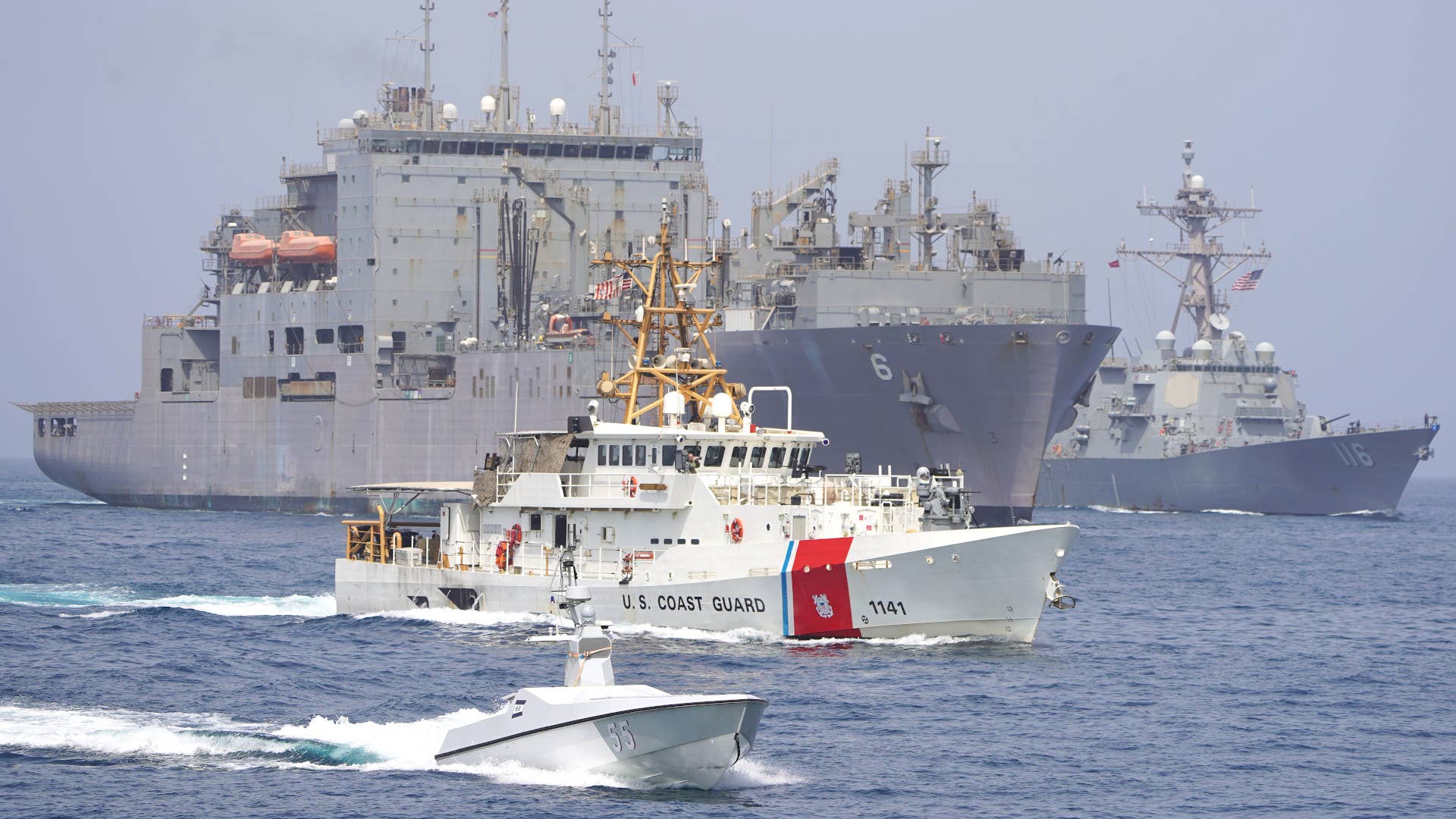
Rubio's formulation gives the White House a narrow line to hold. It tells shippers and allies that the United States intends to keep the corridor open. It also tells Iran and regional armed groups that an attack on escorted traffic could create a direct U.S. military response.
Iranian state media has described Tehran's position in economic and political terms. PressTV said Iran has allowed a limited number of oil tankers through Hormuz with cargo traded in Chinese yuan. That statement should be read as Tehran's public position, not as independent proof of which cargoes moved, who approved them, or whether any specific vessel received safe passage.
"Tehran has allowed a limited number of oil tankers to pass through the Strait of Hormuz with their cargo to be traded in Chinese yuan." - PressTV, Iranian state media
That claim is part of the pressure campaign. Iran's message is that access can be conditional, favored trade can be routed around the dollar, and U.S. sanctions enforcement can be answered at sea. Washington's message is that commercial transit should not depend on Tehran's approval.
The American Interest View
The strongest American national interest argument for escorts is simple: a hostile state should not be able to tax, threaten, or screen energy traffic through a corridor that feeds the global economy. EIA's numbers make the stakes concrete. When about a fifth of global petroleum liquids consumption moves through one waterway, disruption there can reach U.S. gasoline, diesel, jet fuel, petrochemicals, and shipping costs.
"The Strait of Hormuz is the world's most important oil chokepoint because large volumes of oil flow through the strait." - U.S. Energy Information Administration
Supporters of a firm U.S. posture can point to two practical claims. First, deterrence may be cheaper than a crisis if escorts convince attackers that commercial ships are not soft targets. Second, the U.S. Navy's role in keeping sea lanes open is one of the few foreign commitments that maps directly onto U.S. household costs and industrial supply chains.
There is also a credibility issue. If Iran or Iran-aligned forces can threaten tanker traffic during a conflict and still decide which cargoes pass, U.S. sanctions policy loses force. Allies that rely on Gulf energy may also begin hedging away from U.S. security guarantees.
Escalation Concerns
The opposing concern is that escorts can become a tripwire. Rubio said the mission is defensive and that U.S. forces would shoot only if attacked first. That rule lowers the political temperature, but it does not remove the risk of a misread radar return, a militia launch, a drone incident, or a ship calling for help under fire.
Skeptics of deeper military involvement can argue, based on the same State Department remarks, that the line between defending commerce and joining a wider regional war can narrow quickly once U.S. ships are paired with vulnerable commercial traffic. A defensive mission still puts American sailors close to any projectile, drone, mine, or missile fired near the route.
There is also a fiscal and readiness cost. Every additional escort task draws ships, crews, maintenance capacity, and command attention. Those costs do not show up only in a single day's market move. They accumulate across months of deployments, extended rotations, and higher operating tempo.
Other Perspectives
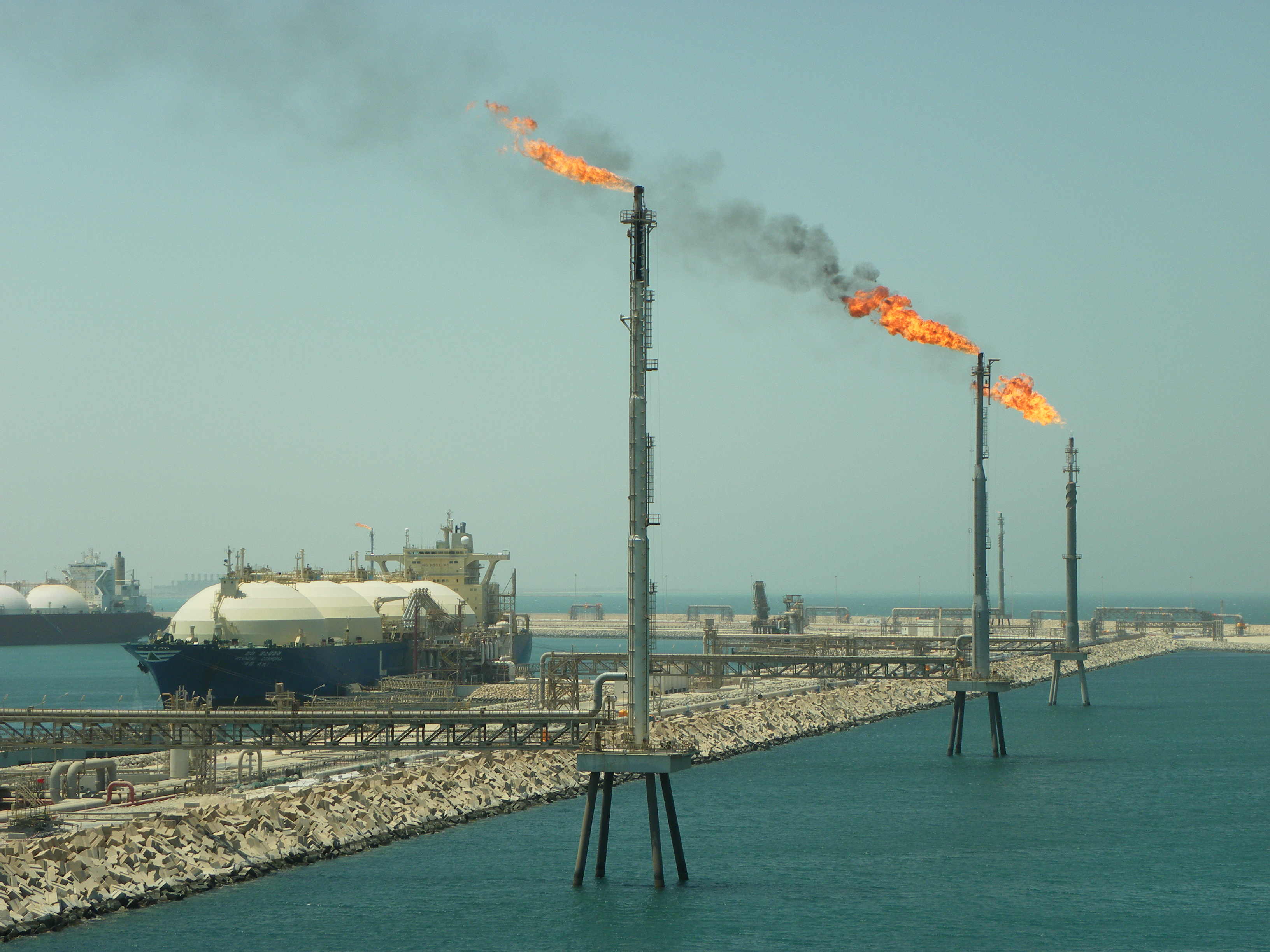
For Qatar and other Gulf exporters, the question is reliability. Qatar's energy business depends on buyers believing cargoes can leave Ras Laffan, transit the Gulf, and reach Asian or European customers on schedule. A strike near Doha raises reputational risk even if the affected bulk carrier was not a Qatari LNG ship.
For importers, the key question is substitutability. Oil has more rerouting and inventory flexibility than LNG, but both markets face stress when traders begin questioning a chokepoint. LNG buyers in Asia and Europe cannot instantly replace Qatari cargoes with pipeline gas or domestic production.
For Tehran, state media framing suggests bargaining power. PressTV's yuan reference presents Hormuz access as part of a sanctions and currency fight, not just a navigation issue. The United States sees that framing as a direct challenge to open transit and sanctions enforcement.
Economic Implications
The EIA's 21 million barrels per day figure explains why a single projectile report can matter beyond the damaged ship. If owners and insurers treat the Gulf as a higher risk area, freight rates and war risk premiums can rise before any physical shortage appears. That cost can travel through crude, refined fuels, LNG, chemical feedstocks, and shipping contracts.
The mechanism is a risk premium, not a guaranteed shortage. Traders do not need proof that Hormuz will close to bid up energy tied to the route. They need a higher probability that a voyage is delayed, rerouted, escorted, insured at a higher rate, or caught in a wider military exchange. The more those probabilities rise, the more U.S. consumers can see pressure in gasoline, diesel, air travel, and goods moved by truck or ship.
The inflation channel is also direct. Energy is both a consumer purchase and an input into almost everything else. If Gulf risk lifts crude and LNG prices, U.S. households feel it first at the pump and through utility or transportation costs. Businesses then face higher freight and fuel expenses, which can feed into prices if the shock lasts.
The dollar channel is less immediate but strategically important. PressTV's claim about yuan based cargo trade signals Iran's preference for reducing dollar exposure in energy commerce. If Tehran ties passage to favored currencies or favored buyers, the issue becomes more than one waterway. It becomes a test of whether U.S. sanctions and dollar settlement rules can be enforced without turning shipping lanes into permanent flashpoints.
By the Numbers
- 23 nautical miles northeast of Doha: location described in the UKMTO warning summary for the bulk carrier incident.
- 21 million barrels per day: average oil flow through the Strait of Hormuz in 2022, according to EIA.
- About 21 percent: Hormuz's 2022 share of global petroleum liquids consumption, according to EIA.
- About one fifth: global LNG trade share that moves through Hormuz, according to EIA.
- Zero reported casualties: the UKMTO warning summary said no casualties and no environmental impact were reported.
What People Are Saying
"The Master of a Bulk Carrier reports being hit by an unknown projectile. There was a small fire that has been extinguished, there are no casualties or environmental impact." - United Kingdom Maritime Trade Operations warning 056/26
"This is not an offensive operation. This is a defensive operation. And what that means is very simple: There's no shooting unless we're shot at first." - Marco Rubio, U.S. secretary of state
"The Strait of Hormuz is the world's most important oil chokepoint because large volumes of oil flow through the strait." - U.S. Energy Information Administration
"Tehran has allowed a limited number of oil tankers to pass through the Strait of Hormuz with their cargo to be traded in Chinese yuan." - PressTV, Iranian state media
The Big Picture
The next test is attribution. If Qatar, UKMTO, U.S. Central Command, or another official body identifies who fired the projectile, the story shifts from maritime hazard to escalation decision. Until then, the confirmed facts support a more careful frame: a bulk carrier reported a strike near Qatar while U.S. forces are already positioned to defend traffic through a contested corridor.
The second test is commercial behavior. Watch for changes from ship operators, insurers, QatarEnergy, port authorities, and U.S. military statements. If traffic continues with limited delays, the incident may remain a warning shot for energy markets. If escorts expand and insurers reprice Gulf voyages, the cost can move from one ship to American fuel bills.
Pipeline: [[article-engine]]