Senate Sets Sports Betting Integrity Hearing After NCAA Cases

WASHINGTON, D.C. - The Senate Commerce Committee will hold a May 20 hearing on sports betting integrity, putting lawmakers, gambling regulators, integrity vendors, prediction-market advocates and public-health experts in the same room after NCAA enforcement cases tied former college basketball players to betting investigations.
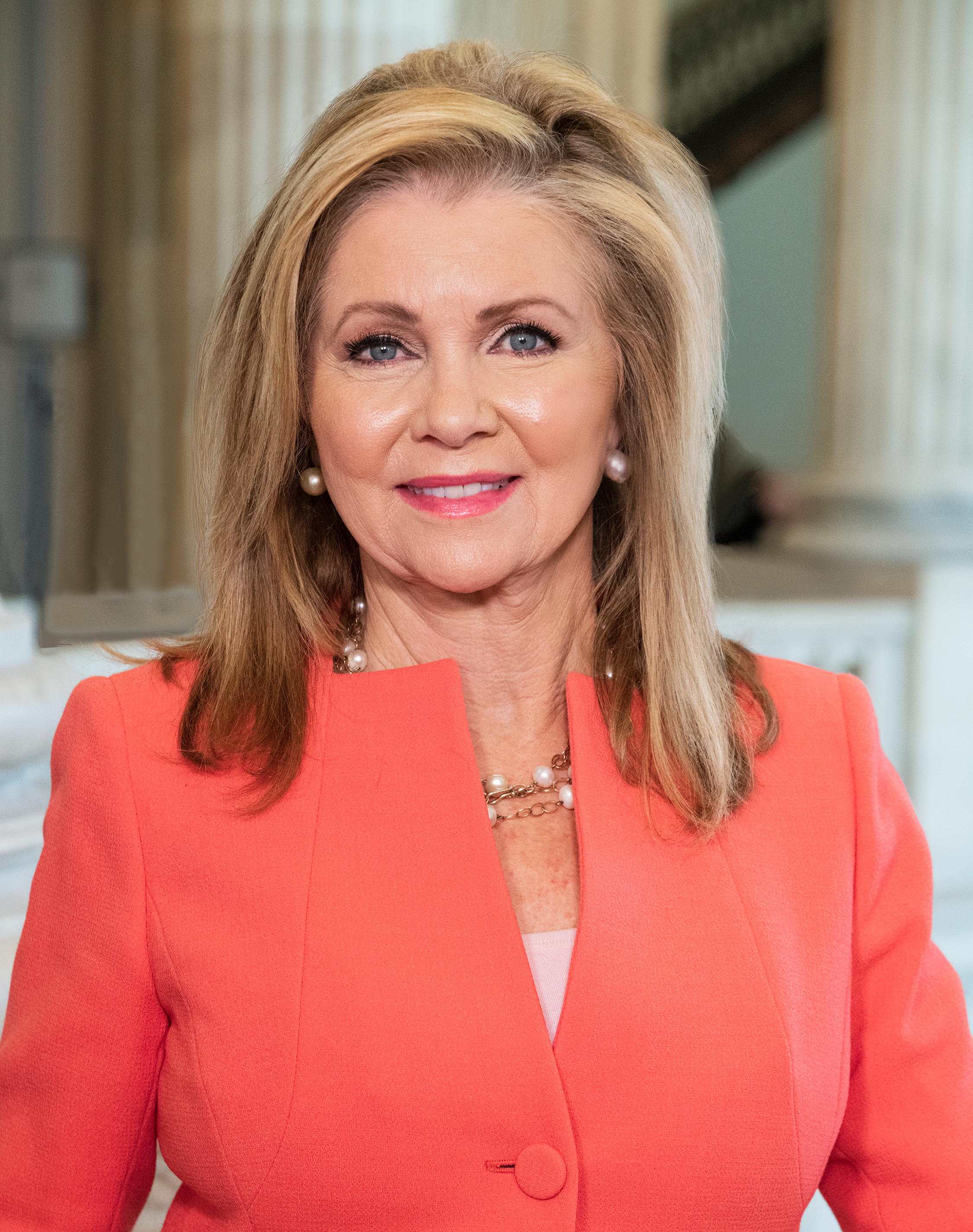
The hearing is titled "No Sure Bets: Protecting Sports Integrity in America" and is scheduled for 10 a.m. ET in Russell 253, according to the committee's hearing notice. The committee said the hearing will stream live on its website and YouTube. Sen. Marsha Blackburn, the Tennessee Republican who chairs the Subcommittee on Consumer Protection, Technology, and Data Privacy, is listed as the presiding member.
The committee said the hearing will examine whether the current oversight framework is enough to protect game integrity as legal sports betting expands. Senate Commerce said the sports gambling market has grown to $165 billion and is allowed in 39 states and the District of Columbia after the Supreme Court's 2018 decision striking down the federal sports-betting ban.
What the Senate Will Examine
Senate Commerce framed the hearing around the rapid growth of legal betting, the rise of prediction markets and the risk that athletes, insiders or outsiders could manipulate performance or information to win bets. The committee announcement said testimony will focus on whether current rules thwart attempts to rig outcomes or whether more action is needed to ensure transparency, fairness and integrity.
The witness list reflects several parts of that debate. Bill Miller, president and chief executive of the American Gaming Association, is scheduled to testify for the casino and sportsbook industry. Mary Beth Thomas, executive director of the Tennessee Sports Wagering Council, gives the panel a state-regulator view. Scott Sadin, co-founder and chief executive of Integrity Compliance 360, represents the integrity-monitoring business.
The Senate hearing page also lists former Rep. Patrick McHenry, now a senior adviser to the Coalition for Prediction Markets, and Dr. Harry Levant, director of gambling policy at the Public Health Advocacy Institute. That mix puts sportsbook regulation, event-contract markets, integrity surveillance and public-health concerns into one committee record.
"Fair play is the foundation of American sports, but recent match-fixing scandals in professional sports have put a spotlight on the risks facing the integrity of competition. As traditional online betting platforms and new entrants like prediction markets continue to intersect with sports, we need a clear understanding of how these platforms operate and what they mean for the integrity of the game." - Sen. Marsha Blackburn, Senate Commerce press release
Senate Commerce Chairman Ted Cruz framed the problem as a threat to fan trust. The hearing notice does not say Congress has settled on a federal policy response. It does show that lawmakers intend to test whether the systems built by leagues, state regulators, operators and integrity vendors are keeping pace with a market that now touches most of the country.
"Fans shouldn't have to wonder if their favorite player missed a buzzer-beater or dropped a touchdown pass because of a secret bet. Unfortunately, recent episodes have planted that seed of doubt and raised questions about whether changes are necessary to integrity in sports. I look forward to a productive conversation about the state of sports betting in the United States." - Sen. Ted Cruz, Senate Commerce press release
Why College Basketball Is Central
The NCAA's April 28 Fordham decision gives the Senate hearing a current college-sports case study. The Division I Committee on Infractions said two former Fordham men's basketball players, Elijah Gray and Will Richardson, are permanently ineligible after violations involving potential game manipulation for sports betting reasons.
The NCAA said Gray acknowledged exchanging messages with a known bettor and said he and Richardson joined a call with that bettor and a former NBA player involved in the scheme. According to the committee summary, Gray said both players agreed to lose a game in exchange for $10,000 to $15,000 each.
The NCAA finding did not say Fordham's game was fixed. The association said Gray maintained that he reconsidered, played with normal effort, did not receive payment and that Fordham won the game. The committee said Gray violated ethical-conduct rules by providing information to a known bettor.
The NCAA said Richardson denied participating in the scheme, denied communicating with known bettors and failed to cooperate by knowingly providing false information during an interview and by failing to preserve the integrity of the investigation. The committee classified Gray's and Richardson's violations as Level I.

The Fordham case is not isolated in the NCAA's enforcement calendar. In a separate April 28 decision, the NCAA said former Kennesaw State player Simeon Cottle did not cooperate with an investigation into potential sports betting violations after a federal indictment connected to Kennesaw State's March 1, 2024 game against Queens.
The NCAA release said Cottle was indicted by the U.S. Attorney's Office for the Eastern District of Pennsylvania on wire fraud and bribery charges surrounding that game. The Division I Committee on Infractions said refusing to be interviewed or produce relevant materials violates NCAA rules and classified Cottle's failure to cooperate as a Level I violation.
For the Senate, the mechanism matters. A legal betting market can create regulated data trails, but it also creates more betting options, more fan financial exposure and more incentive for outsiders to seek private information. The Fordham and Kennesaw State decisions show how alleged contact with athletes can move from private messages to school suspensions, NCAA eligibility rulings and federal criminal cases.
The NCAA's Integrity System
The NCAA says it is already operating a layered integrity system. On its sports-betting policy page, the association says it monitors more than 22,000 competitions every year and screens more than 20,000 officials per year. It also says it has provided education to more than 300,000 student-athletes and that more than 500,000 student-athletes globally have completed its sports-betting e-learning module.
The association says sports betting can affect eligibility, finances, mental health, future opportunities and competition integrity. Its policy page says violations can lead to permanent loss of remaining athletic eligibility and loss of scholarships, subject to divisional reinstatement review.
That infrastructure gives senators one side of the oversight question. The NCAA, state regulators, operators and integrity vendors can point to monitoring systems, reporting channels and enforcement procedures. The cases cited in the brief give senators the other side: a detection system may catch suspicious conduct, but it may still operate after athletes have been contacted, games have been questioned and schools have begun disciplinary processes.
College prop bets are likely to be part of that discussion. The NCAA policy page says the association advocates for states to prohibit prop bets, and NCAA President Charlie Baker has linked individual-player betting markets to harassment and integrity risk.
Athletes Say the Pressure Is Already Showing
The NCAA's latest Student-Athlete Needs, Aspirations and Perspectives survey shows that the issue is not limited to game outcomes. According to the NCAA, nearly 60% of surveyed college basketball players said sports betting has contributed to unfair public scrutiny of athletes.
The survey, conducted in February and distributed to nearly 56,000 Division I student-athletes, drew 7,493 responses from 154 schools. The NCAA said 74% of women's basketball players and 65% of men's basketball players somewhat to strongly agreed that betting-related abuse weakens trust between fans and athletes.
Men's basketball players reported the highest abuse rates. The NCAA said 1 in 3 men's basketball players reported direct blame from fans for betting losses, and 26% said they had received verbal or physical abuse.
"This time of year can be magical for so many players, but it also can quickly become a nightmare due to abuse from fans engaging in sports betting." - Charlie Baker, NCAA president, NCAA survey release
Baker said in the same release that the NCAA is monitoring abuse through collaborations with Signify and Venmo. He also said sportsbooks and regulators in some states can do more by eliminating prop bets the association says are leading to harassment.
The Policy Fault Lines
The hearing's industry and state-regulator witnesses put legal oversight, compliance duties and suspicious-activity alerts on the agenda. Regulated markets create records that illegal markets do not provide, but the committee's stated focus is whether those records are enough to protect athletes and competition before damage is done.
The public-health and athlete-safety perspective points to a different cost. Legal access can turn ordinary missed shots, turnovers and injuries into financial losses for bettors, which the NCAA survey says is already changing how some fans treat athletes. Youth exposure, advertising and problem-gambling risk also sit inside the committee's announced scope.
Prediction markets add a separate question. Senate Commerce named "new entrants like prediction markets" in the hearing announcement, and McHenry's seat on the witness list gives that sector a direct role. Senators may press witnesses on whether sports event contracts should be treated like state-regulated wagers, commodity-style contracts or a distinct integrity risk.
By the Numbers
Senate Commerce said the legal sports gambling market has grown to $165 billion and is allowed in 39 states and the District of Columbia.
The NCAA says it monitors more than 22,000 competitions every year, screens more than 20,000 officials per year and has provided sports-betting education to more than 300,000 student-athletes.
The NCAA said 7,493 athletes from 154 Division I schools responded to its February SNAP survey. Among surveyed college basketball players, nearly 60% said sports betting has contributed to unfair public scrutiny of athletes.
What to Watch on May 20
The hearing has not happened yet. The committee's witness list points to several questions senators can put on the record: whether integrity monitoring should be standardized across states, whether data-sharing rules are strong enough, whether college prop bets should be restricted and whether prediction markets should face sports-specific guardrails.
For college sports, the stakes are immediate. The NCAA's Fordham and Kennesaw State cases show how quickly alleged betting contacts can become eligibility rulings, federal charges and questions about the credibility of competition. The May 20 hearing will show which part of that chain lawmakers think needs the most attention.
Pipeline: [[article-engine]]