Fishback Says He Would Ban Wall Street Firms From Buying Florida Homes
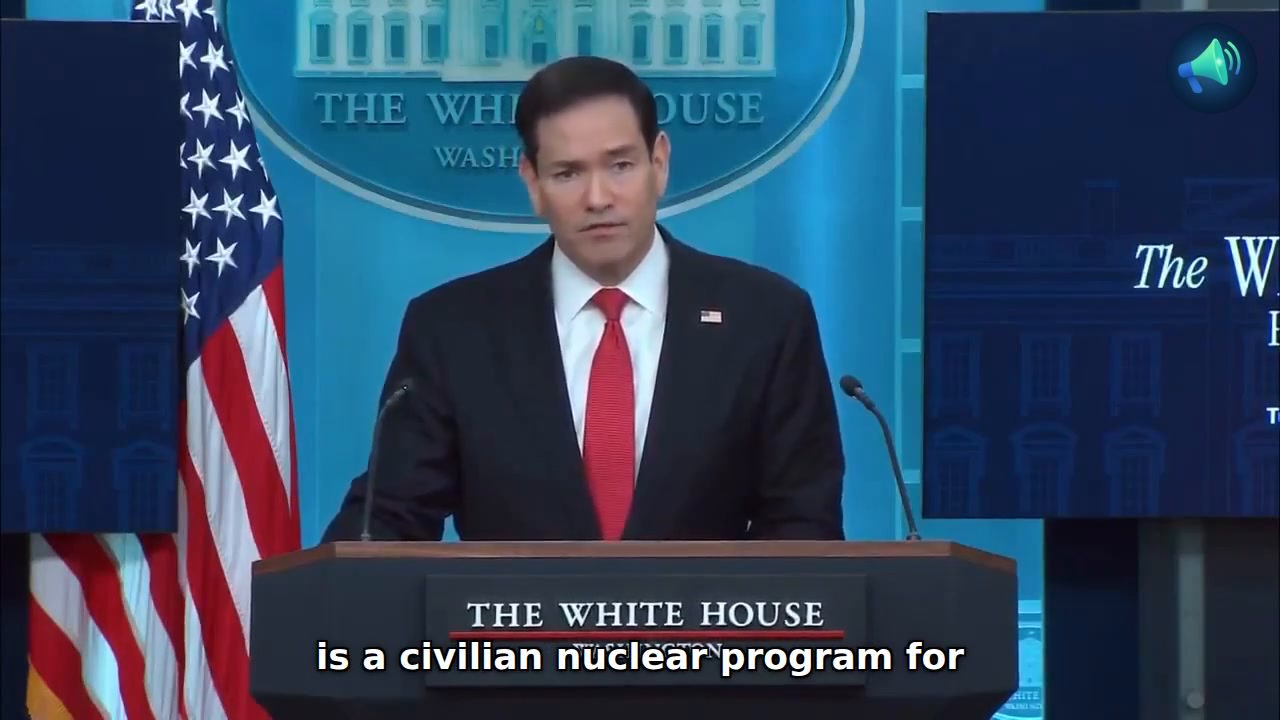
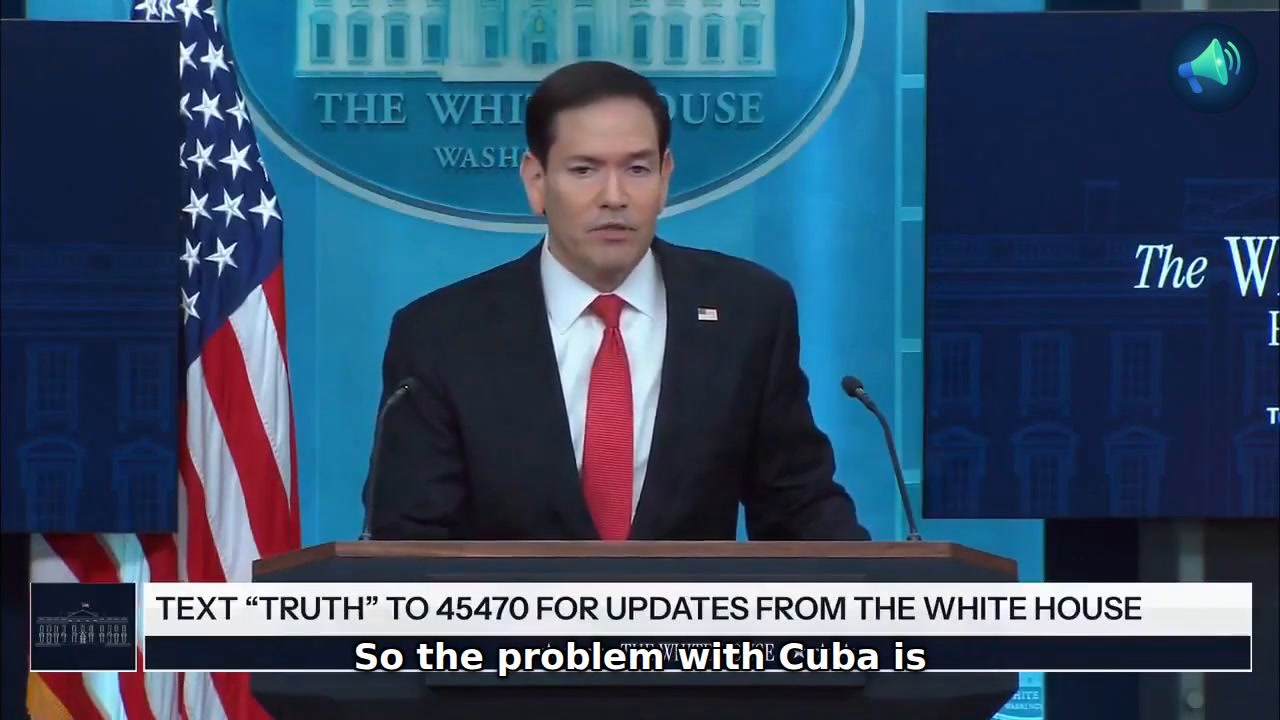
MADISON, Fla. James Fishback, an active Republican candidate for Florida governor, said in a video posted by reporter Patrick Howley that he would bar large Wall Street firms from buying single-family homes in Florida if elected.
The pledge puts Fishback's campaign into a widening housing fight over whether institutional investors are crowding families out of starter homes, and how far state government should go to stop them. His written platform already calls for raising taxes on corporate-owned homes to eliminate property taxes for private homeowners, but the video statement uses a sharper word: ban.
The Story So Far
Fishback is listed by the Florida Division of Elections as an active Republican candidate for governor in the 2026 general election. State records show he filed on Nov. 24, 2025.
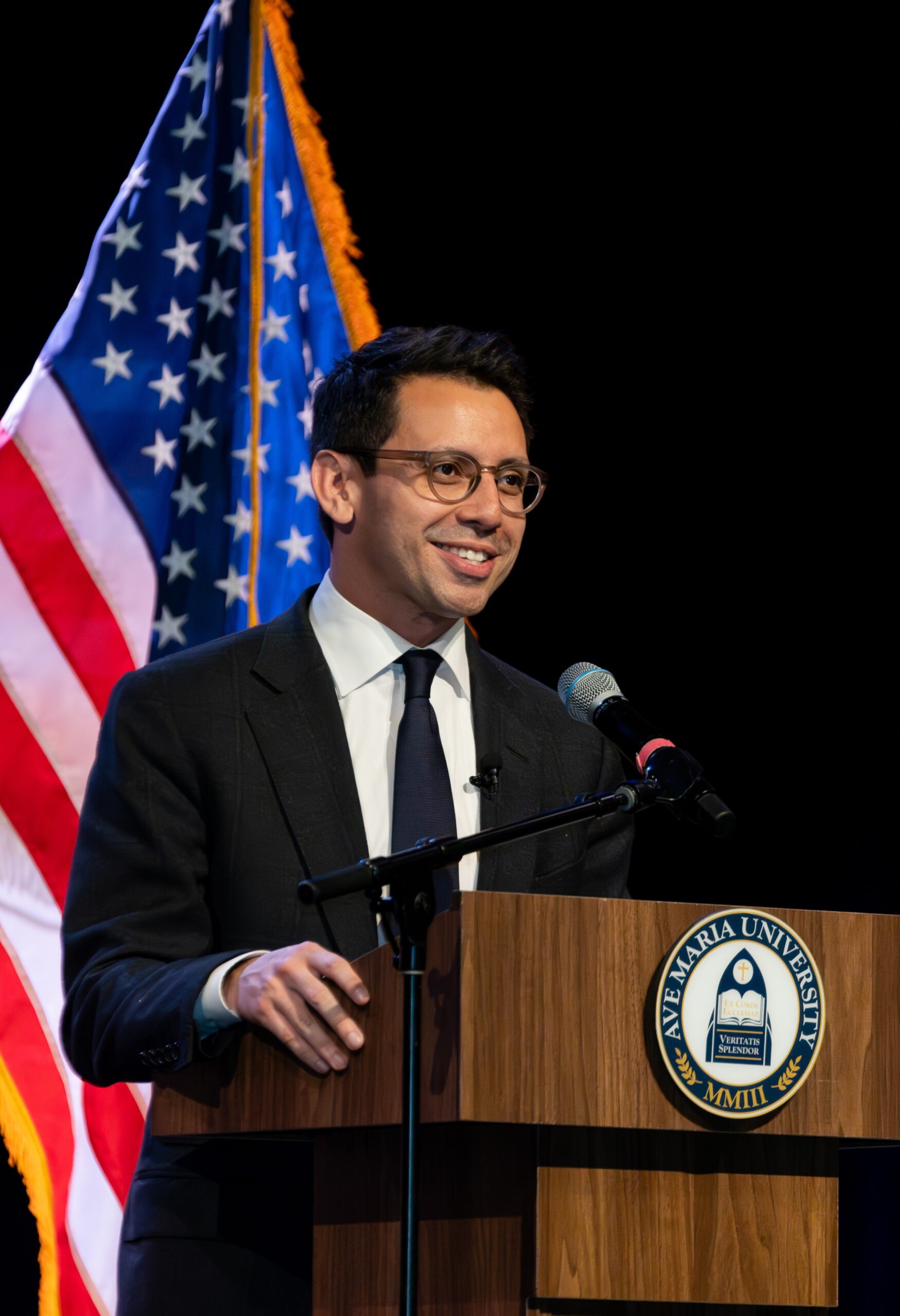
In the video cited in the research brief, Fishback said, "As governor, I will ban these large Wall Street firms like BlackRock and Blackstone from buying single-family homes in Florida so you, your kids, and your grandkids can finally buy a home."
That line tracks the housing section of his campaign platform, which says Florida should keep "housing for people, not portfolios." The campaign platform says big corporate investors are buying family homes, outbidding local buyers, driving up rent, and leaving fewer homes for families to own.
Fishback's platform says he would eliminate property taxes for private homeowners by raising taxes on corporate-owned homes. The campaign says that tax shift would push large investors out of the housing market while protecting families, farmland, forests, and wetlands.
What's Happening Now
Fishback's proposal comes after Florida lawmakers considered a similar restriction in 2025. Florida House records show HB 1593, titled Ownership of Single-family Residential Property by Business Entities, would have prohibited some business entities from buying certain single-family residential property and then leasing or renting it.
The bill did not become law. Florida House records show HB 1593 died in the Housing, Agriculture and Tourism Subcommittee on June 16, 2025.
The issue has also moved into national Republican politics. A Jan. 20, 2026 White House presidential action says it is administration policy that large institutional investors should not buy single-family homes that could otherwise be purchased by families.
The order directs Treasury to develop definitions of "large institutional investor" and "single-family home." It also directs federal agencies, to the maximum extent allowed by law, to avoid transferring federally connected single-family assets to large institutional investors and to promote sales to individual owner-occupants.
The same order calls for antitrust review of substantial institutional acquisitions in local single-family housing markets and asks for legislative recommendations to codify the policy. The order includes possible exceptions for build-to-rent properties and other categories agencies determine are appropriate.
GovInfo records also list H.R. 6962, the Families First Housing Act of 2026, introduced by Rep. Pat Harrigan with Rep. Josh Riley as cosponsor. The bill takes a narrower approach than Fishback's video statement by focusing on first-look protections for covered properties so families and communities have priority access to foreclosed homes.
The Conservative View
Supporters of investor restrictions argue that family homeownership should take priority over corporate accumulation of housing stock. Fishback's platform says large investors are outbidding local buyers and leaving fewer homes for families to own.
The White House order makes a similar argument. It says large Wall Street investors can crowd out families seeking homes and says neighborhoods once controlled by middle-class families are now sometimes run by distant corporate interests.
For conservatives in Florida, the political argument connects affordability, family formation, and local control. Fishback's campaign says its housing plan would help residents buy homes and would put Florida families ahead of corporate portfolios.
The Progressive View
Democrats have also pursued restrictions on corporate homebuying, though often with different language and enforcement priorities. Florida HB 1593 was sponsored by Rep. Marie Woodson Joseph, a Democrat, and targeted business ownership of single-family residential property.
The bill explanation cited in the Florida House record said 2.1 million Floridians paid more than 30% of their income toward housing and that half paid more than 50%. The proposal would have capped covered corporate ownership at 100 properties, according to the bill material summarized in the research brief.
Progressive supporters of these restrictions often frame the issue as tenant protection and anti-displacement policy. That view focuses on rent increases, eviction risk, and whether concentrated ownership gives large landlords too much power in specific neighborhoods.
Other Perspectives
Housing economists caution that national data does not always match campaign rhetoric. A Federal Reserve Bank of St. Louis analysis by Charles S. Gascon and Lillian Fu says the vast majority of single-family rentals are owned by small-scale investors, while large institutional investors make up a small fraction of the national single-family rental market.
Realtor.com research says institutional investors, defined as buyers with more than 350 single-family purchases since 2015, accounted for about 1% of total single-family purchases nationally from 2015 to 2025. The same analysis says investors with 100 or more purchases accounted for 1.7%.
That does not mean institutional buying is irrelevant in Florida. Realtor.com says institutional purchases are geographically concentrated, with the top 10 metros accounting for more than half of institutional purchases and the top 25 accounting for 75%.
Florida's own market picture is mixed. Florida Realtors said existing single-family closed sales totaled 255,012 in 2025, up 0.9% from 2024. The statewide median sales price for existing single-family homes was $413,990, down 1.4%, and single-family inventory ended the year at a 4.6-month supply.
 Photo: Crownjewel82 / Wikimedia Commons / CC BY-SA 3.0.
Florida Realtors Chief Economist Brad O'Connor said sales responded after mortgage rates fell by more than half a percentage point late in 2025. Florida Realtors President Chuck Bonfiglio said buyers had more homes to choose from and prices were reaching a healthier range.
The company-specific details also matter. Fishback named BlackRock and Blackstone together in the video. BlackRock's own housing statement says it is an active real estate investor but disputes that it is among the institutional investors buying single-family homes. Blackstone has single-family rental exposure and argues that institutional ownership remains small nationally, according to the campaign research brief. Those company positions should be weighed against independent local ownership data where available.
Economic Implications
A Florida ban would depend heavily on definitions. If the state defines a covered investor by the number of homes owned, the rule would hit large landlords and leave small investors untouched. If it defines covered investors by legal structure, private funds, real estate investment trusts, and operating companies could face different treatment even when they own similar properties.
Enforcement would also determine the market effect. A rule limited to future purchases could slow new institutional buying without changing existing ownership. A tax-based plan, like Fishback's written platform, could pressure corporate owners to sell or pass costs through to renters, depending on the final rate structure and local rental demand.
Build-to-rent housing is another pressure point. The White House order includes possible exceptions for build-to-rent communities that are planned, permitted, financed, and constructed as rental communities. If Florida copied that model, developers could still build rental subdivisions while restrictions focused on existing homes that families might otherwise buy.
For homebuyers, the benefit would be clearest in neighborhoods where institutional investors are active bidders for entry-level homes. In places where large firms own little inventory, the policy could have more political effect than price effect. For renters, fewer institutional buyers could reduce some corporate landlord activity, but it could also reduce rental supply if investors retreat from single-family rentals and owner-occupants do not fill the gap quickly.
By the Numbers
Florida Division of Elections records list Fishback as an active Republican candidate for governor, filed Nov. 24, 2025.
Florida Realtors said existing single-family closed sales in Florida reached 255,012 in 2025, up 0.9% from 2024.
Florida Realtors said the 2025 statewide median sales price for existing single-family homes was $413,990, down 1.4% from 2024.
Florida Realtors said single-family inventory ended 2025 at a 4.6-month supply.
Realtor.com research says institutional investors accounted for about 1% of total single-family purchases nationally from 2015 to 2025 under its definition of buyers with more than 350 purchases.
What People Are Saying
"As governor, I will ban these large Wall Street firms like BlackRock and Blackstone from buying single-family homes in Florida so you, your kids, and your grandkids can finally buy a home," Fishback said in the video transcript.
"Big corporate investors like Blackstone are buying up family homes, outbidding local buyers, driving up rent, and leaving fewer homes for families to own," Fishback's campaign platform says.
"It is the policy of my Administration that large institutional investors should not buy single-family homes that could otherwise be purchased by families," the White House order says.
"Sales really responded here in the Sunshine State," O'Connor said, according to Florida Realtors, after mortgage rates fell by more than half a percentage point late in 2025.
"Buyers have more homes to choose from, sellers are seeing steady demand, and prices are reaching a healthier range," Bonfiglio said, according to Florida Realtors.
The Big Picture
Fishback's video pledge turns a housing affordability complaint into a concrete campaign promise: keep large Wall Street firms out of Florida's single-family housing market. The official record shows the idea is no longer limited to campaign speeches, since Florida lawmakers considered a related bill in 2025 and the White House issued a national policy order in January 2026.
The unresolved question is whether a Florida ban would target the firms most responsible for local affordability pressure. National research says large institutional investors are a small share of the overall market, while industry research says their buying is concentrated in specific metros. That makes local ownership data, legal definitions, and enforcement design central to whether the proposal changes prices, rents, or simply the politics of housing.