Fishback Turns Fauci Line Into 2026 Florida Outsider Signal
FLORIDA - James Fishback used a 10-second campaign clip to attack Anthony Fauci over 2020 pandemic decisions, turning a familiar COVID-19 accountability argument into a sharp 2026 Florida governor race signal.
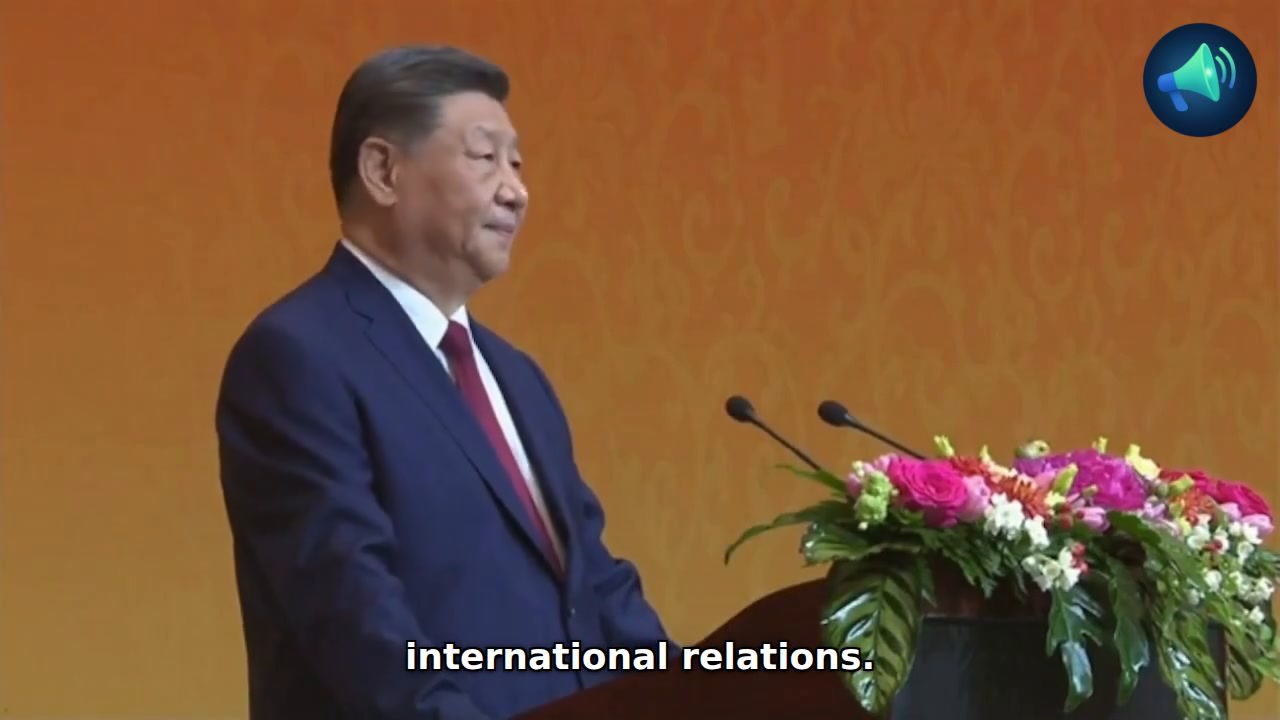
The submitted video shows Fishback at a lectern with campaign signage visible. The local transcript records him saying that if America's founders knew what Fauci did in 2020, "they would have publicly executed him," followed by, "I'm sorry. I'm sorry."
The line is extreme, and that is the political point. Fishback is not trying to sound like a donor-class candidate trimming every sentence for maximum safety. He is speaking to voters who still view pandemic mandates, school closures and public-health messaging as unanswered exercises of power.
What Happened

Fishback's campaign account published the clip with a caption that closely matched the spoken line. The local transcript adds the phrase "to us," recording Fishback as saying, "If our founding fathers knew what Dr. Fauci did to us in 2020, they would have publicly executed him."
"If our founding fathers knew what Dr. Fauci did to us in 2020, they would have publicly executed him."
Fishback, according to the local video transcript.
"I'm sorry. I'm sorry."
Fishback, according to the local video transcript.
The video does not include a longer policy explanation. It does not identify a specific executive order, CDC recommendation, school-closure decision, vaccine mandate or congressional finding. That makes the wording itself the news: Fishback compressed the pandemic grievance into one sentence designed to travel quickly through conservative media and grassroots channels.
The submitted video is retained as the hero video, so the body does not repeat it or use screenshots from the same clip. The supporting images instead provide context for the people and constitutional language Fishback invoked.
Who Fauci Is In This Debate
Anthony S. Fauci directed the National Institute of Allergy and Infectious Diseases for decades, according to NIAID's official biography, and became one of the most visible federal health officials during the COVID-19 pandemic. The CDC's archived COVID-19 materials show that federal guidance in 2020 covered masks, distancing, testing, quarantine, schools, workplaces and vaccination planning as the pandemic unfolded.
For many Democrats and public-health defenders, Fauci represents a scientist who communicated changing evidence during a fast-moving emergency. They point to hospital strain, deaths, limited early testing and uncertainty about transmission as reasons public officials issued aggressive guidance.
For many Republicans and civil-liberties critics, Fauci represents a federal public-health establishment that imposed sweeping rules without enough humility about costs, school loss, speech restrictions and the limits of expert authority. That critique has remained politically potent because COVID-era rules reached everyday life: churches, classrooms, restaurants, sports, travel and work.
Fishback's line placed him firmly in the second camp. It also used the founders as a symbolic jury, suggesting that the generation associated with resistance to centralized power would have treated pandemic-era authority as a grave offense.
Why It Matters In Florida

Florida's 2026 governor race is already shaping up as a fight over who gets to define the Republican base after Gov. Ron DeSantis. Fishback's lane is a grassroots challenge to lobbyists, consultants and risk-managed Tallahassee politics.
The Fauci line fits that strategy. It signals that Fishback wants to make COVID-era accountability part of the race, not leave it behind as old news. In Florida Republican politics, that subject still carries weight because DeSantis built part of his national profile around resisting prolonged restrictions and attacking federal public-health guidance.
The line also places Fishback inside a broader Republican argument about emergency power. Since 2020, conservative lawmakers and activists have debated who should be able to close schools, limit business activity, restrict gatherings or require medical proof during a public-health emergency. Fishback's clip does not answer those questions, but it tells voters which side of the trust debate he wants to occupy.
The clip also tests how far anti-establishment language can go before it becomes a liability. Supporters may hear moral outrage over lost schooling, closed businesses and mandates. Critics may hear a candidate normalizing violent imagery against a former public official, even if the comment is framed as historical rhetoric rather than a literal threat.
That distinction matters for editors and voters. Fishback did not announce a policy proposal in the clip. He used a historical punishment reference to express condemnation. Campaigns can intend a line as political theater, but opponents and voters often judge candidates on the language itself.
The Policy Questions Behind The Line
COVID-19 debates involve several policy buckets that a governor can actually affect. State executives can shape emergency powers, school closure rules, vaccine or testing requirements for state workers, hospital reporting systems, procurement, public-records disclosure and the way state agencies defer to federal guidance.
Florida voters have already seen pandemic policy become a governing brand. State decisions on reopening, school operations and mandates became part of DeSantis's national argument, and Fishback is now competing in the political environment that argument helped create. That gives the Fauci line local relevance beyond a generic national grievance.
Fishback did not address those details in the 10-second clip. If he continues using Fauci as a symbol, the next substantive test is whether he offers Florida-specific reforms. Voters can ask whether he wants statutory limits on emergency orders, new legislative oversight, school-opening guarantees, religious-liberty protections, liability rules or a state investigation into pandemic decisions.
The economic costs also remain part of the record. The Bureau of Labor Statistics, Census Bureau and state agencies all tracked labor disruption, business closures and household stress during the pandemic period. Public-health agencies tracked deaths, hospitalizations and vaccination. A serious campaign debate has to account for both sets of costs.
What People Are Saying
"If our founding fathers knew what Dr. Fauci did to us in 2020, they would have publicly executed him."
Fishback, according to the local video transcript.
"I'm sorry. I'm sorry."
Fishback, according to the local video transcript.
"COVID-19 can cause mild to severe illness."
The CDC, in archived public COVID-19 guidance describing the disease during the pandemic period.
The Big Picture
Fishback's clip is not a full COVID policy platform. It is a signal flare for voters who view pandemic governance as a central example of elite failure and government overreach.
The campaign risk is just as clear. A line about public execution will energize some grassroots voters and give critics a clean attack. If Fishback wants the issue to become more than a viral moment, the campaign will need to connect the rhetoric to specific Florida powers, records and proposed reforms.