Xi Says Calls With Trump Kept China-U.S. Relations Generally Stable
Xi Jinping said his meetings and phone calls with President Donald Trump have helped keep China-U.S. relations "generally stable," placing the personal leader channel at the center of Beijing's public case for managing the world's most consequential rivalry.
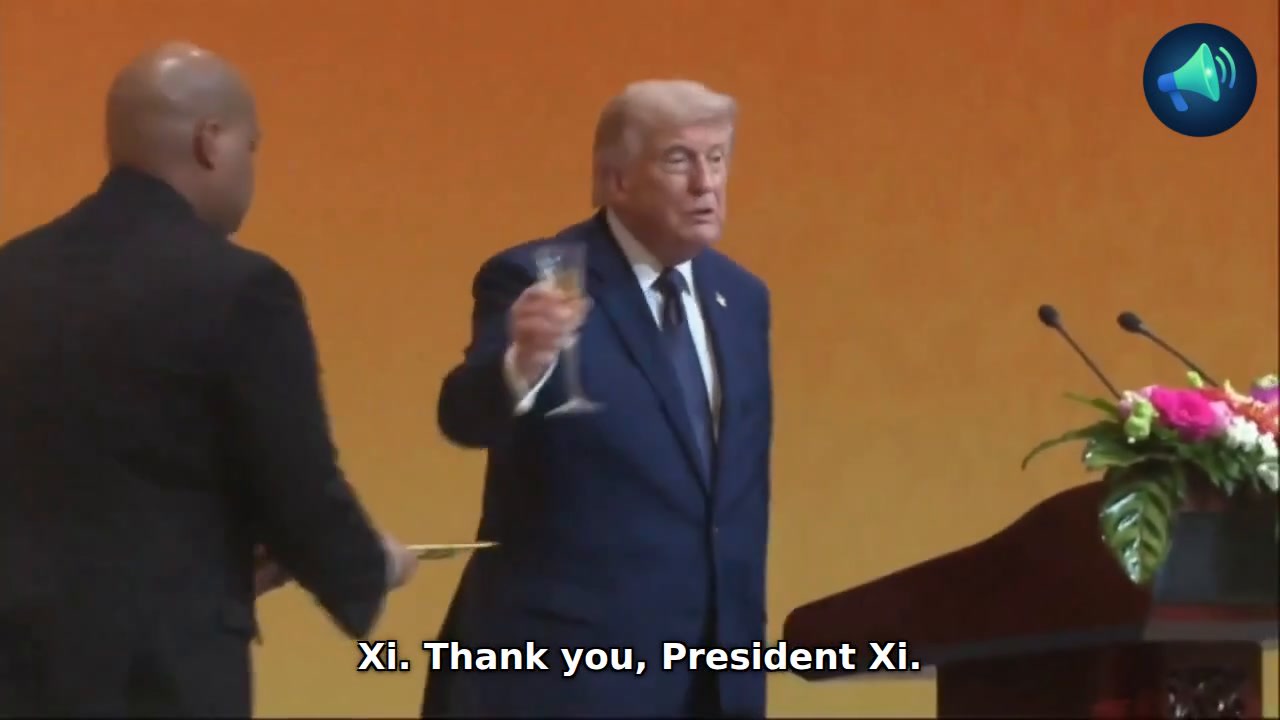
The Chinese president made the comment during formal remarks in Beijing that reached back to Richard Nixon, Henry Kissinger and ping-pong diplomacy before turning to the current Trump-Xi relationship. The clip shows Xi arguing that earlier diplomatic openings created a path from frozen relations to decades of exchange, and that today's leaders now face a similar responsibility to keep competition from turning into crisis.
"Under the new situation, President Trump and I, fully aware of the expectations of our two nations and the international community, have had multiple meetings and phone calls and kept China-U.S. relations generally stable." - Xi Jinping, president of China
The wording matters because it is not a claim that the relationship is friendly. It is a claim that the relationship has been contained. Beijing is presenting direct presidential contact as a stabilizing mechanism at a time when the two governments remain divided over Taiwan, tariffs, export controls, military activity in the Indo-Pacific, technology access and global conflicts.
Xi framed the Trump channel as crisis management
Xi's remarks began with history for a reason. He referenced Nixon's 1972 opening to China, Kissinger's role in the breakthrough and the symbolic use of ping-pong diplomacy between the two countries. In that telling, the modern relationship began not with trust, but with a decision to reopen channels after more than 20 years of frozen contact.
The current message was aimed at the same question: whether two rival systems can keep enough communication alive to avoid a broader rupture. Xi said the two governments and peoples had opened the door after decades of separation and then written chapters of friendship through openness and cooperation. He then moved from that history to his own contact with Trump, saying meetings and phone calls had helped keep ties generally stable.
That is a carefully limited claim. It does not erase the conflicts between Washington and Beijing. It does not suggest a reset. It says that direct contact between the two leaders has functioned as a guardrail, or at least that Beijing wants the world to see it that way.
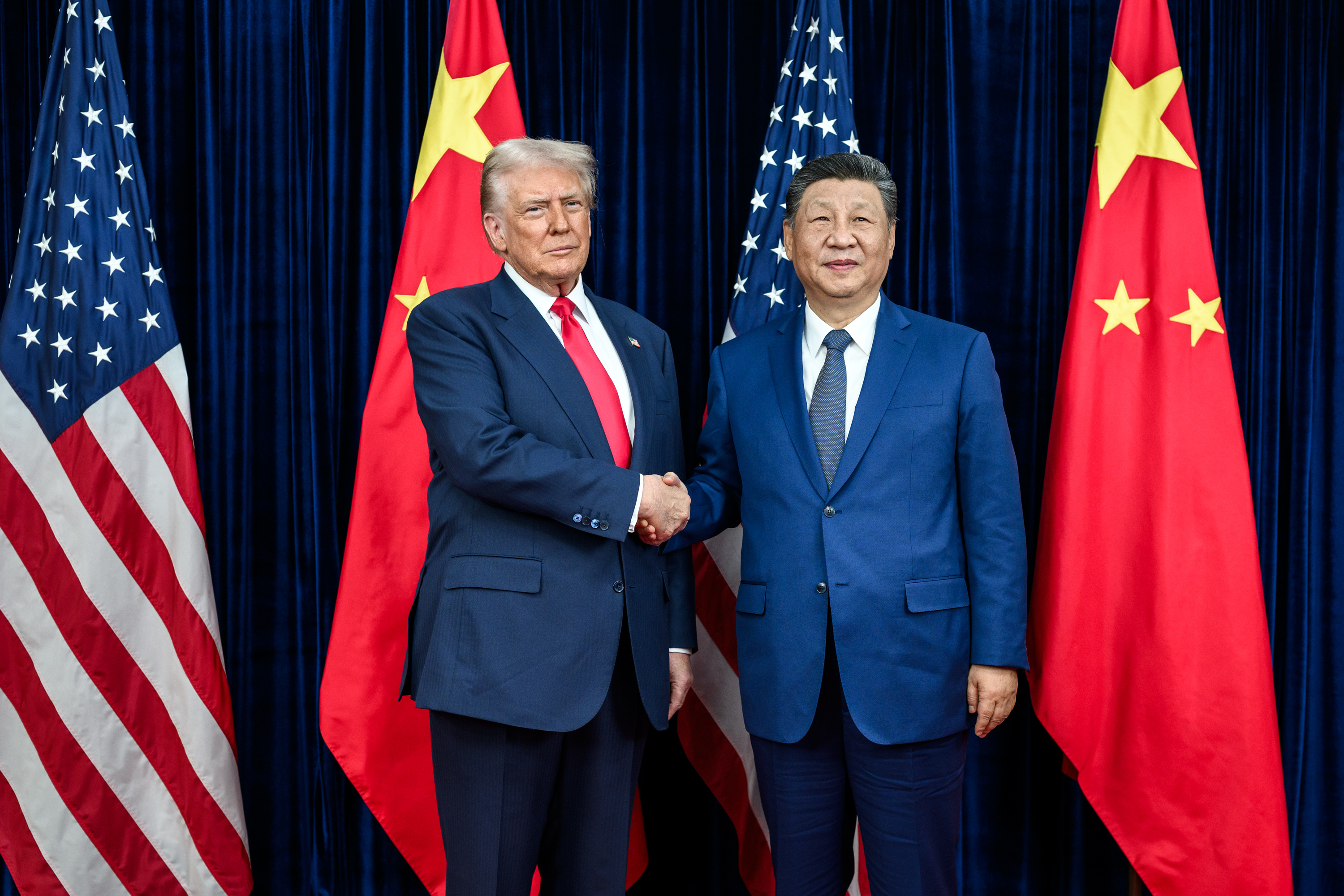
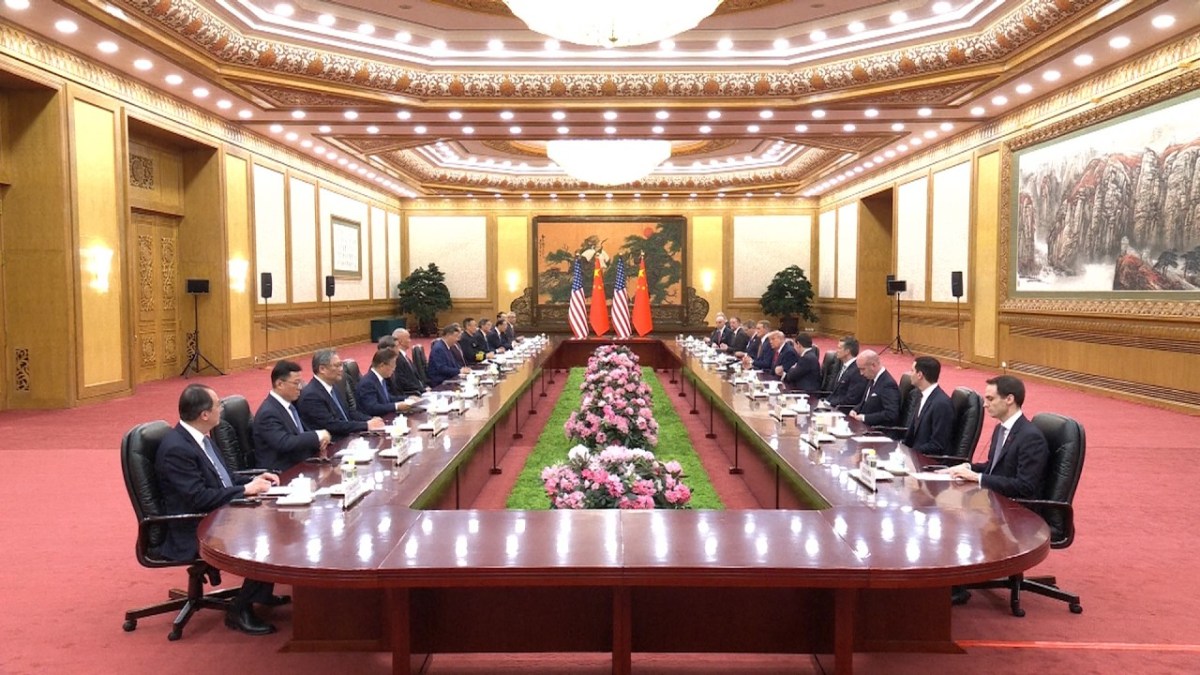
The line also fits the formal readouts that surrounded the visit. China's Foreign Ministry described the leaders as trying to guide the relationship toward what Beijing called strategic stability. The White House, in the accessible material reviewed before publication, posted official video and gallery pages for Trump's bilateral engagement with Xi in Beijing, showing the meeting as part of a highly choreographed state-level exchange.
Stability does not mean agreement
The word "stable" can sound bland, but in this context it is doing heavy work. U.S.-China relations have been shaped by a long list of disputes that cannot be solved by warm language at a podium. Taiwan remains the hardest security issue. Trade and industrial policy remain deeply contested. Technology controls, semiconductor supply chains, military communications and influence across Asia all sit inside the same relationship.
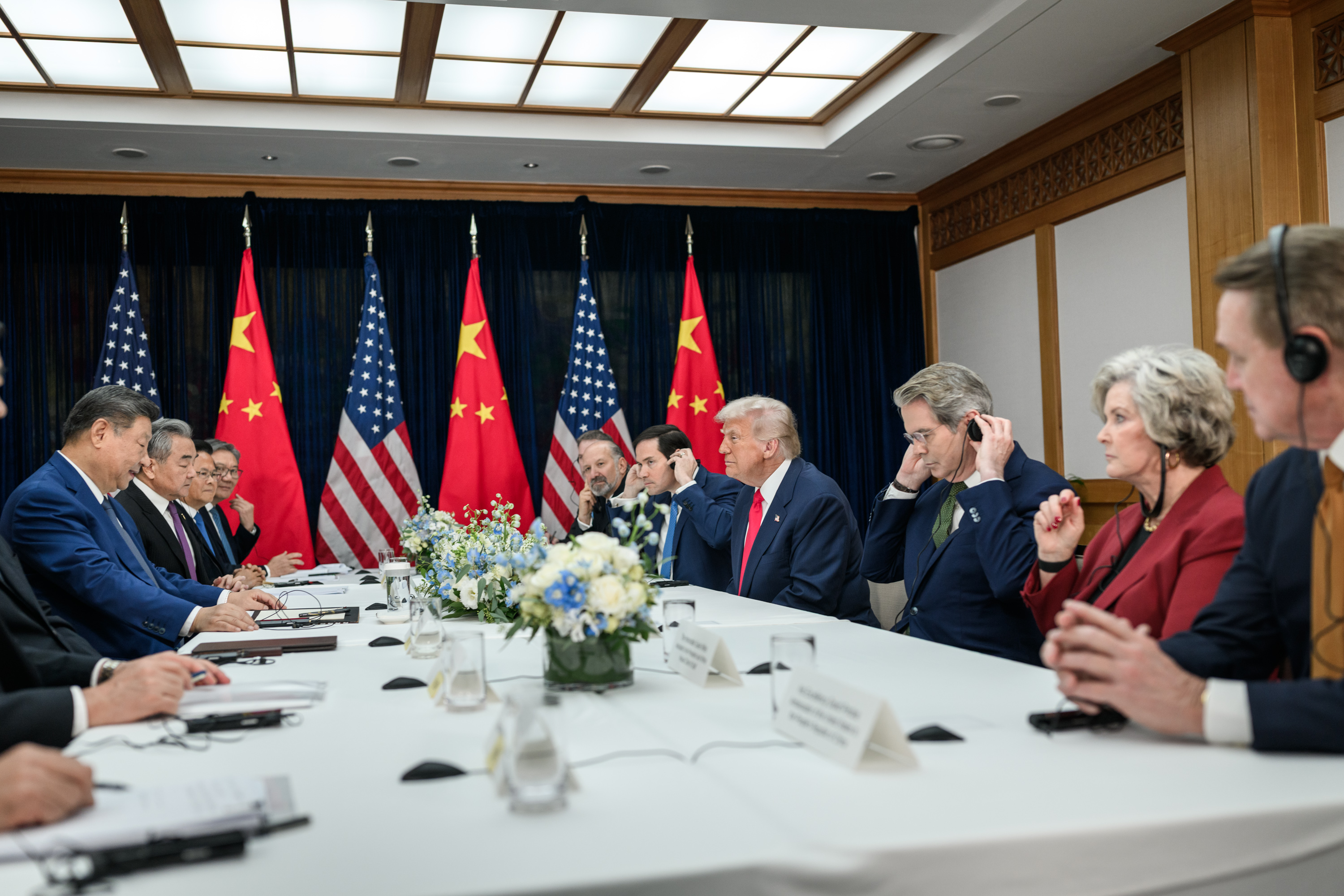
China's readout of the meeting underscored that point. Beijing said Taiwan was treated as the most important issue in China-U.S. relations, and Chinese officials continued to warn against actions they view as support for Taiwanese independence. That is not the language of a relationship at ease. It is the language of a relationship where both governments know a single issue could become a flashpoint if handled badly.
At the same time, both sides have incentives to keep the floor from collapsing. The United States and China are the world's two largest economies. Their decisions shape global supply chains, financial markets, military planning, energy flows and diplomatic pressure on other conflicts. A complete breakdown would not stay bilateral for long. It would move through allies, companies, ports, consumers and security planners across multiple regions.
That is why Xi's emphasis on calls and meetings is politically useful. It lets Beijing present direct dialogue as proof of responsibility without conceding the underlying disputes. It also lets Trump present high-level engagement as leverage and statecraft while maintaining a posture of toughness on trade and security.
The historical comparison was the point
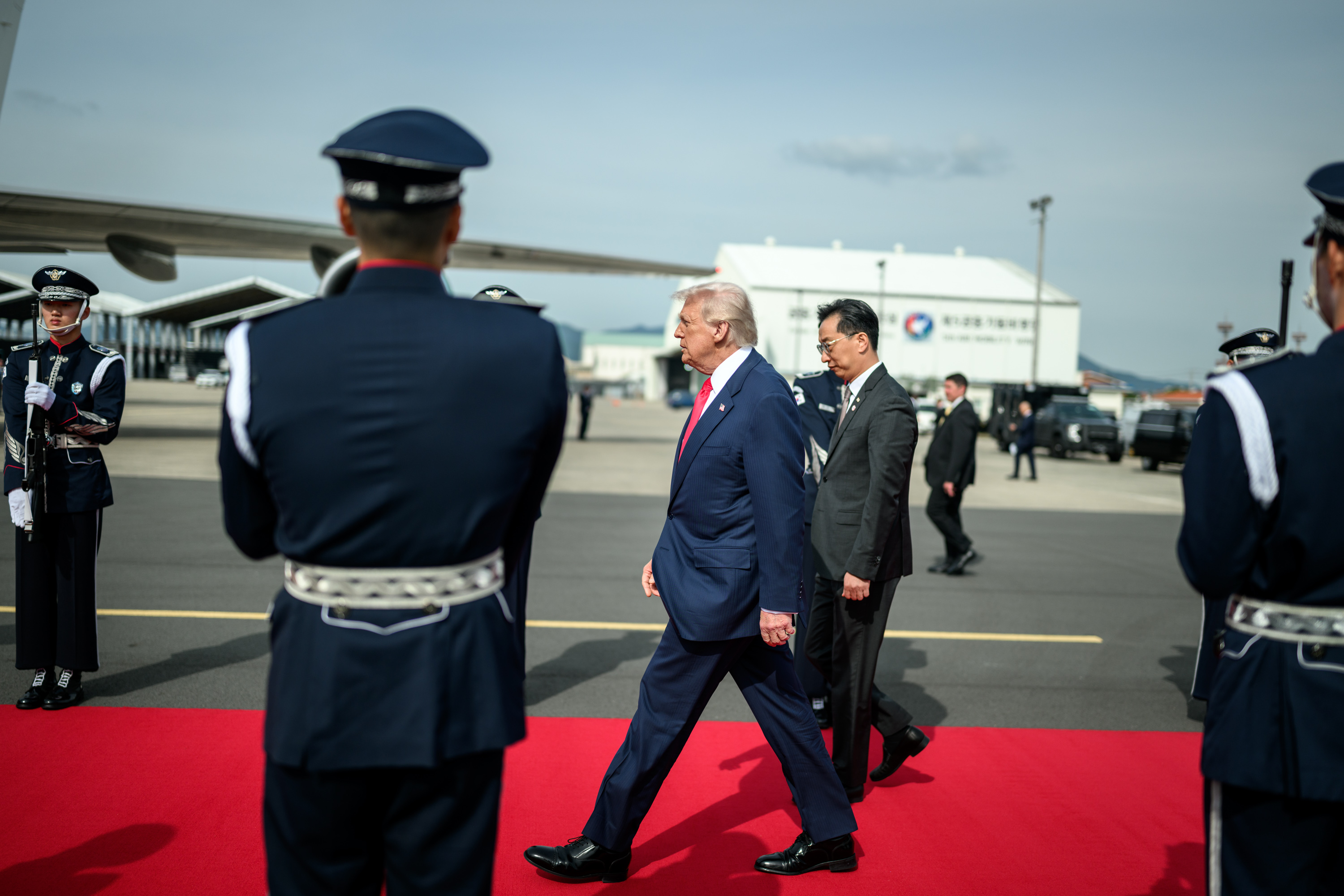
By invoking Nixon and Kissinger, Xi tied the current moment to the most famous diplomatic opening in modern U.S.-China history. That reference was not just nostalgia. It was a reminder that the relationship has survived ideological hostility before, provided both sides maintained a channel for strategic communication.
The comparison has limits. The 1972 opening happened in a Cold War triangle with the Soviet Union. Today's rivalry is broader and more economically intertwined. The United States and China are not simply managing a diplomatic thaw. They are managing an active contest over markets, technology, military influence, supply chains and the rules of international institutions.
Still, the historical frame helps explain why Xi emphasized presidential contact instead of a specific agreement. No single line in the speech announced a major policy breakthrough. The news value was the public assertion that the Trump-Xi channel itself has kept the relationship moving forward and generally stable.
That message may be directed as much at third countries as at domestic audiences. Allies, trading partners and competitors all watch U.S.-China summits for signs of escalation or restraint. A stable relationship between Washington and Beijing reduces uncertainty for governments and companies that need to plan around both powers. A volatile relationship forces everyone else to hedge.
What to watch after the remarks
The practical test is whether the leader channel produces follow-through below the presidential level. Stable relations require working teams that can handle military incidents, trade disputes, sanctions questions, technology restrictions and consular issues before they become political crises. Speeches can set tone, but bureaucracies and negotiators have to carry the load afterward.
The readouts around the Beijing meeting suggested both governments wanted to show activity across multiple lanes. Economic and trade teams were referenced in Chinese statements. Taiwan remained central. Military and diplomatic communication sat in the background as a risk-management priority. The public video clip captured only the ceremonial layer, but the substance lies in whether those channels keep operating after the cameras leave.
For now, Xi's statement gives both governments a public benchmark. If relations deteriorate, the claim that calls and meetings kept ties stable will become the standard against which new friction is judged. If the relationship stays tense but controlled, Beijing can point back to this moment as evidence that direct leader-level communication still works.
That is the significance of the clip. It is not that Xi declared the rivalry over. He did not. It is that he publicly credited the Trump channel with preventing a worse trajectory, while using the long arc from Nixon to the present to argue that even hostile periods can be managed when both sides decide the alternative is too dangerous.