Trump Quotes Confucius and Franklin in China State Visit Remarks
Trump used a short historical riff on Confucius and Benjamin Franklin to cast U.S.-China diplomacy as a relationship rooted in respect, even as the wider summit carried major trade, Taiwan, and security stakes.
BEIJING - President Donald Trump used remarks during his China state visit to argue that Americans and Chinese have long shared a "deep sense of mutual respect," invoking both Benjamin Franklin and Confucius as he framed the summit in civilizational rather than purely transactional terms.
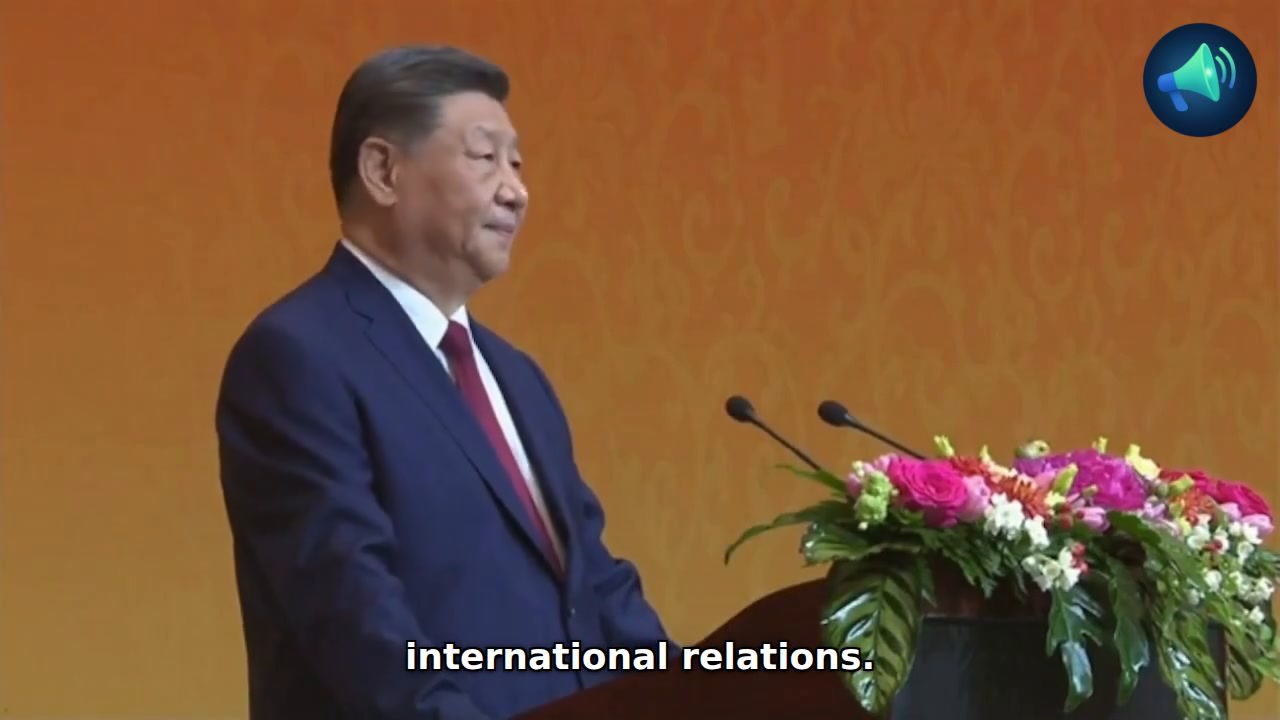
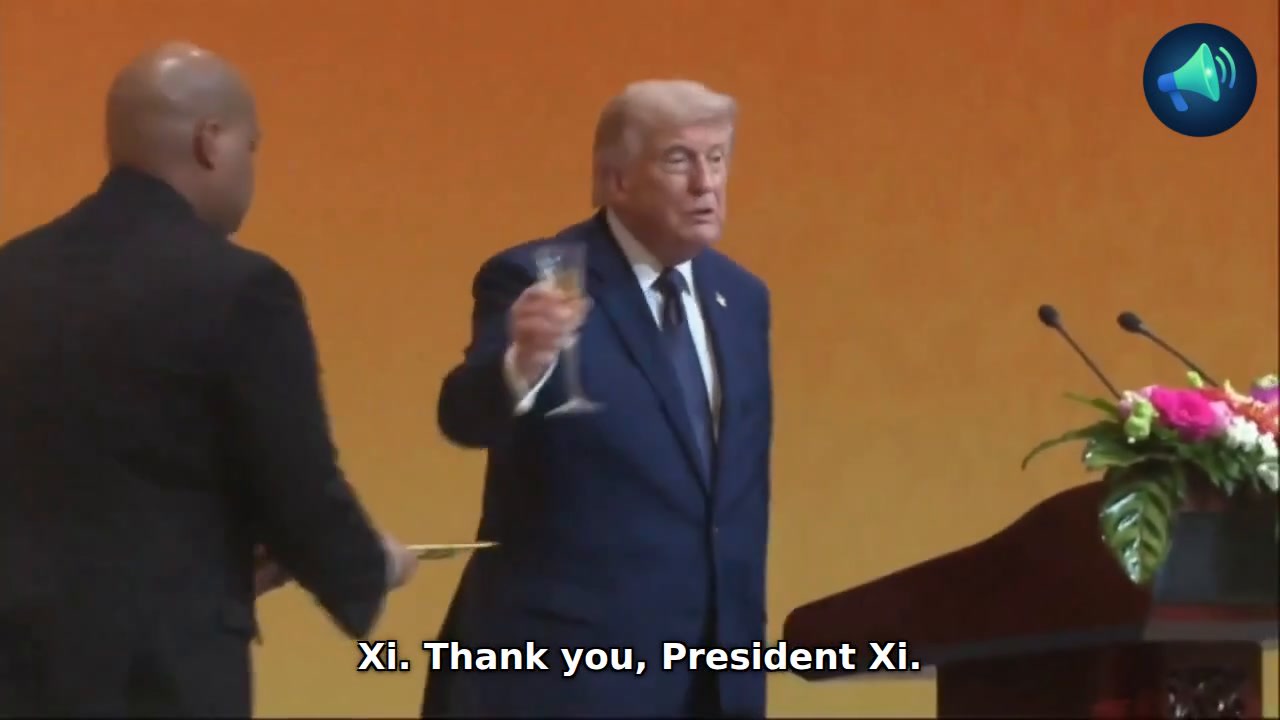
The clip, drawn from the public video submitted for intake, shows Trump standing at a lectern in front of U.S. and Chinese flags. He said Franklin had published sayings from Confucius in his colonial newspaper and pointed to a sculpture recognizing the ancient Chinese philosopher on the face of the U.S. Supreme Court.
"From the beginning, our citizens have shared a deep sense of mutual respect. Founding father Benjamin Franklin published the sayings of Confucius in his colonial newspaper." - Trump, according to the submitted video transcript.
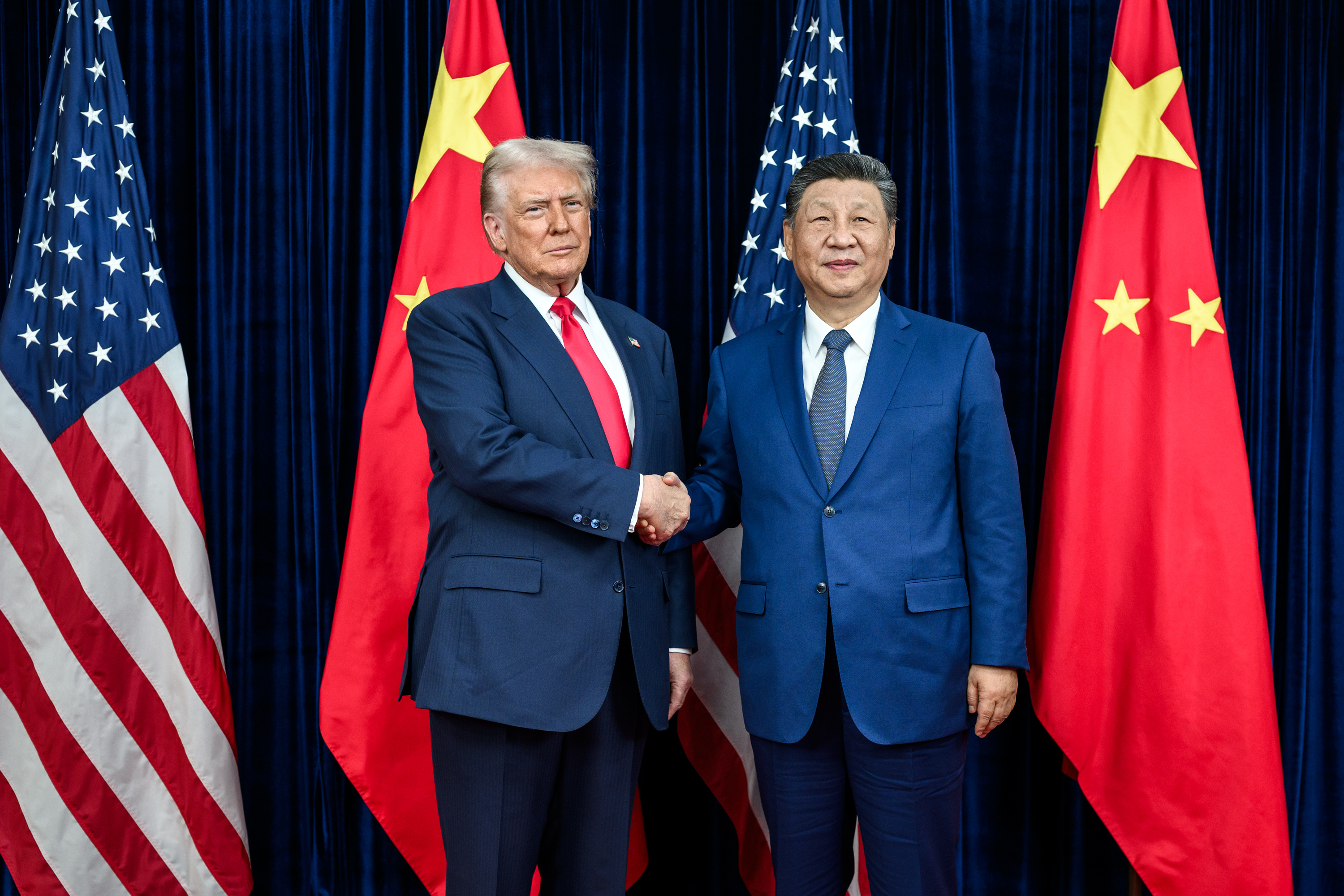
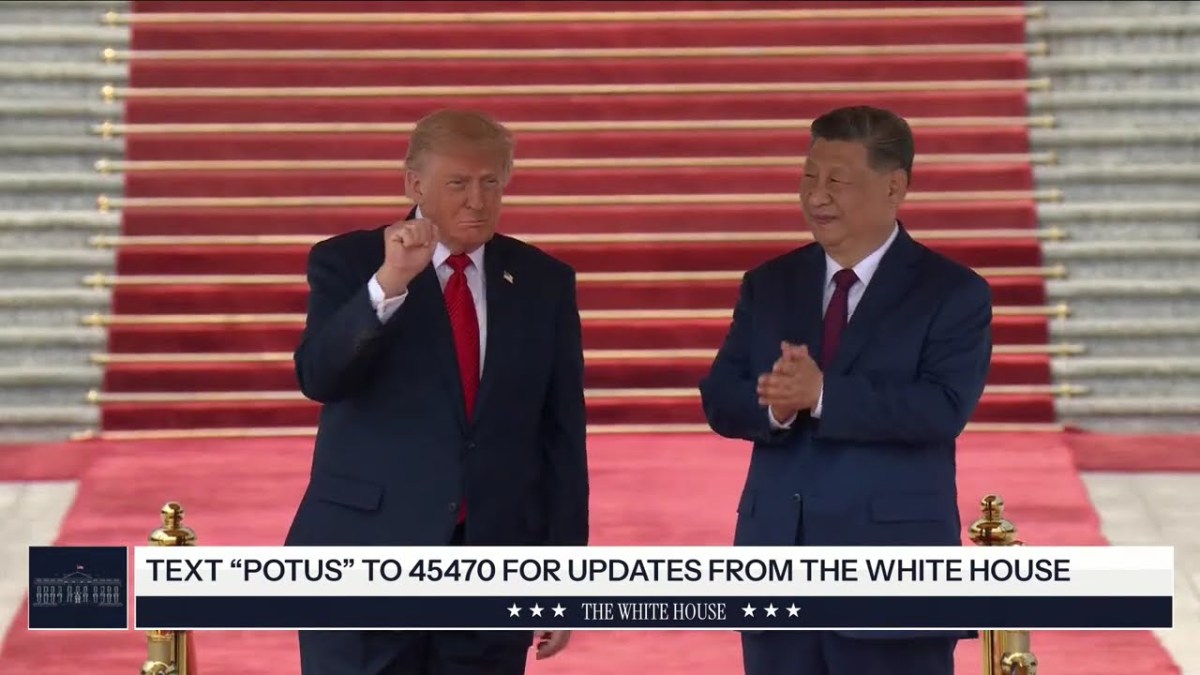
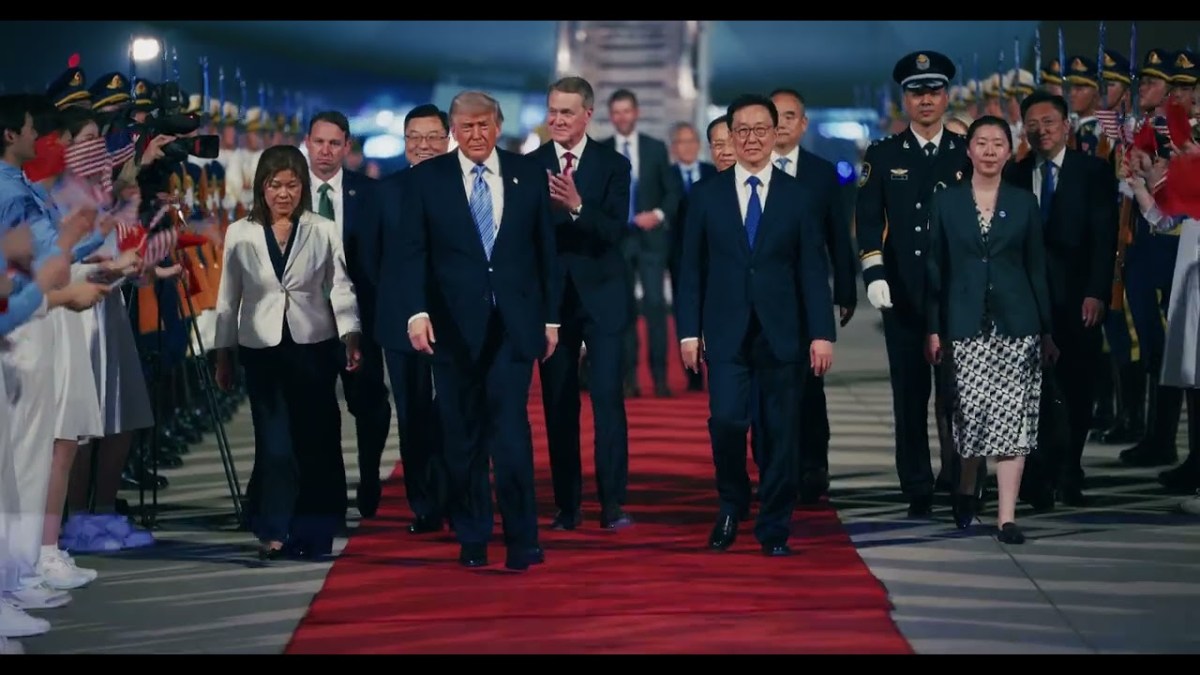
The line matters because it came during a visit already defined by harder issues. Official White House video listings placed Trump in Beijing for a bilateral meeting with the president of China, a formal greeting with Chinese President Xi Jinping, and the start of a state visit. Chinese officials have separately framed the talks around strategic communication, trade, Taiwan, law enforcement, and people to people ties.
A Softer Message Inside a Hard Summit
Trump's Franklin and Confucius reference was not a policy announcement. It was ceremonial language, the kind presidents often use abroad to show respect for a host nation's history. But ceremonial language can still reveal the diplomatic strategy around a summit.
By pairing a founding American figure with an ancient Chinese philosopher, Trump presented the relationship as older and broader than today's disputes. That framing gives both sides room to talk about trade, security, Taiwan, Iran, fentanyl, and supply chains without making the whole encounter look like open confrontation.
The contrast is stark. The same trip has produced public attention to Taiwan, China's manufacturing dominance, U.S. concerns over fentanyl precursor chemicals, and Washington's warnings about Beijing's relationship with Iran. Those issues are not softened by a historical quotation. They are the policy fights underneath it.
Still, the rhetorical move is useful to watch. Trump has often described diplomacy as personal and leader driven. In Beijing, his historical reference allowed him to praise the Chinese people and Chinese civilization while leaving policy disagreements to the formal meeting track.
Why Franklin and Confucius Were Chosen
Franklin is a politically safe American reference abroad. He was a revolutionary, printer, diplomat, inventor, and one of the founders most associated with practical wisdom. Confucius is the Chinese philosopher most commonly invoked in official and cultural discussions about ethics, social order, education, hierarchy, and public conduct.
Trump's remark tied those two figures through publishing. Franklin's colonial newspaper did print selections and moral maxims from a wide range of sources, and American political culture has long borrowed from foreign thinkers when describing republican virtue, civic order, commerce, and education.
That is why the phrase landed as more than flattery. It let Trump suggest that U.S.-China contact is not only about tariffs, military risk, and diplomatic bargaining. His claim was that cultural respect existed near the beginning of American public life, before the United States was even independent.
The reference to the Supreme Court also fit that theme. The U.S. Supreme Court building includes historical lawgivers and thinkers from different civilizations in its architectural program. By mentioning Confucius there, Trump connected Chinese civilization to an American legal symbol, an image meant to be recognizable to both American and Chinese audiences.
The Policy Backdrop
The soft language sits beside a much harder official record. A previously published Chinese Foreign Ministry readout of the Beijing talks said Xi treated Taiwan as the most important issue in China-U.S. relations and warned that mishandling it could put the relationship in danger.
"President Xi stressed that the Taiwan question is the most important issue in China-U.S. relations. If it is handled properly, the bilateral relationship will enjoy overall stability. Otherwise, the two countries will have clashes and even conflicts, putting the entire relationship in great jeopardy." - Ministry of Foreign Affairs of the People's Republic of China, May 14 readout.
That is the hard edge behind the ceremonial language. Beijing wants Washington to treat Taiwan as the core red line. Washington wants to manage the relationship without giving up deterrence, supply chain leverage, sanctions pressure, or U.S. freedom of action in the Indo-Pacific.
The State Department context heading into the trip also pointed to a wider agenda. Secretary of State Marco Rubio had described China as a major geopolitical challenge but also emphasized the need to manage the relationship to avoid war. He identified Taiwan, trade, intellectual property, fentanyl, and support for Iran as issues tied to U.S. talks with Beijing.
The American Stake
For American readers, the key question is whether respectful language can produce concrete results. A better diplomatic tone can lower the temperature, but it does not by itself change the economic and security interests at stake.
On trade, the United States still faces deep exposure to Chinese manufacturing, consumer goods, industrial components, electronics, and intermediate inputs. Tariff fights can push companies to diversify, but they can also raise costs before domestic or allied suppliers are ready. Any new understanding with Beijing will be judged partly by whether it reduces that dependence or simply manages it.
On Taiwan, the stakes are military and economic. A crisis around the island would hit semiconductor supply chains, shipping routes, insurance markets, defense planning, and allied confidence in the Indo-Pacific. That is why even ceremonial diplomacy is watched closely for signals about whether both governments are trying to stabilize the relationship or merely stage a photo opportunity.
On fentanyl and law enforcement, cooperation with China can affect the flow of precursor chemicals used by criminal networks. On Iran, U.S. officials have made clear that Chinese support for Tehran would complicate sanctions enforcement and increase friction with Washington.
None of those issues are resolved by a quote from Confucius. But the quote helps explain the posture Trump brought to the event: praise the people and history of China, emphasize respect, and leave room for a separate negotiation over the points where U.S. and Chinese interests collide.
What to Watch Next
The next measure is whether the White House and Beijing publish matching or conflicting accounts of the trip's deliverables. If the public record produces working groups on trade, fentanyl, or technology, Trump's respectful language will look like part of a broader diplomatic package. If the follow-up is dominated by Taiwan warnings, tariff threats, or sanctions disputes, the speech will look more like a ceremonial pause in a continuing confrontation.
Markets and foreign policy officials will also watch whether Trump links the state visit to specific tariff relief, purchase commitments, law enforcement cooperation, or Chinese pressure on Iran. Those practical results matter more than the tone of the toast.
The clip's value is that it captured the softer face of a summit taking place under intense pressure. Trump wanted viewers in both countries to hear that the United States respected Chinese civilization. The policy test is whether that message creates negotiating space for American interests, or whether the serious disputes remain exactly where they were before the flags, banquets, and historical references.