Fishback Says He Would Fire Teachers Who Push 'White Guilt'
TALLAHASSEE, Fla. - Florida Republican gubernatorial candidate James Fishback said public school teachers who impose "white guilt" on students would not remain teachers if he is elected, turning a short campaign clip into a broader fight over race instruction, teacher discipline, and who controls Florida classrooms.
Fishback's statement fits a Republican education message already written into Florida law. It also runs into the structure of Florida's school system, where district school boards handle employment decisions and state officials handle educator certificate discipline through formal procedures.
The Story So Far
The Florida Division of Elections lists Fishback as an active Republican candidate for governor in the 2026 general election, with a filing date of Nov. 24, 2025. His campaign site says he is running to succeed Gov. Ron DeSantis as Florida's next Republican governor.
Fishback's campaign issues page places education under the heading "Education, not ideology." The page says he would "block ideological programs in public schools," return classroom focus to reading, math, science, and civics, and increase teacher pay.
The new video gives that platform a sharper edge. According to a local transcript of the clip posted by Fishback's X account, Fishback said, "Yes, we are an imperfect union, but we still are the greatest country on God's green earth and public school teachers. If they try to impose white guilt on our students, they will not be public school teachers if I am governor."
That line does not make Fishback a state official. It does make classroom enforcement a visible campaign promise in a state where DeSantis, lawmakers, teachers unions, civil rights groups, and school boards have spent years arguing over how race, history, and civic identity should be taught.
What Florida Law Already Says
Florida Statute 1000.05 says public K-20 education programs may not require a student or employee to undergo instruction that espouses, promotes, advances, inculcates, or compels belief in certain concepts. One listed concept is that a person, because of race, color, sex, or national origin, bears personal responsibility and must feel guilt, anguish, or psychological distress because of past actions by other members of the same group.
Florida Statute 1003.42 addresses K-12 required instruction. It requires instruction in U.S. history, African American history, Holocaust education, civics, the Declaration of Independence, the Constitution, and other subjects.
The same statute says a person should not be instructed that he or she must feel guilt or anguish for past actions in which he or she played no part. It also says instructional personnel may facilitate age-appropriate discussions of slavery, racial oppression, racial segregation, and racial discrimination, while classroom instruction may not be used to indoctrinate or persuade students to a point of view inconsistent with the listed principles or state academic standards.
That distinction matters. Florida law does not erase the teaching of slavery, segregation, discrimination, or African American history. It restricts compelled guilt and indoctrination as defined by state law while requiring several historical and civic subjects to be taught.
The Enforcement Question
Fishback's strongest supporters are likely to hear his pledge as a promise to enforce existing law more aggressively. Florida's statutes, however, do not give a governor personal firing authority over every classroom teacher.
Florida Statute 1012.22 gives district school boards authority over the appointment, compensation, promotion, suspension, and dismissal of school employees, subject to the education code. It says district boards act on superintendent recommendations and handle employment decisions through statutory procedures.
Florida Statute 1012.33 says instructional staff contracts allow dismissal during the term only for just cause. The statute lists grounds including misconduct in office, incompetency, gross insubordination, willful neglect of duty, certain unsatisfactory evaluations, and specified criminal convictions.
At the state level, Florida Statute 1012.795 gives the Education Practices Commission authority to suspend or revoke educator certificates for listed grounds, including violation of professional conduct rules. Florida Department of Education guidance says its Office of Professional Practices Services investigates legally sufficient allegations involving educator certificates, but the office is not the employer and does not review local employment decisions.
The practical path for a governor would be indirect. A Fishback administration could appoint education officials, push State Board policy, support legislation, direct agency priorities, press districts publicly, or seek stricter certificate discipline standards. The governor could not simply terminate individual classroom teachers by personal order under the statutes reviewed for this article.
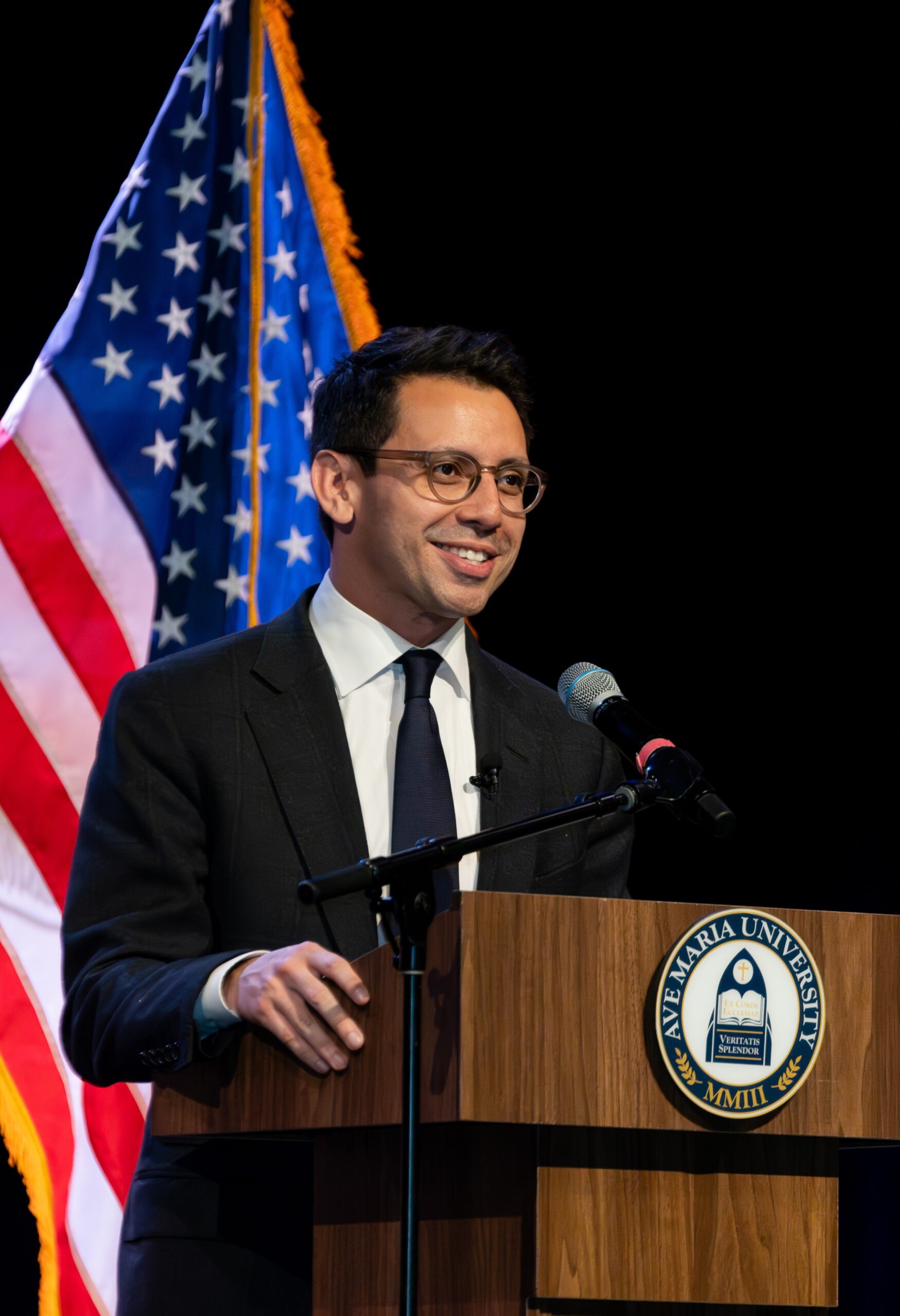
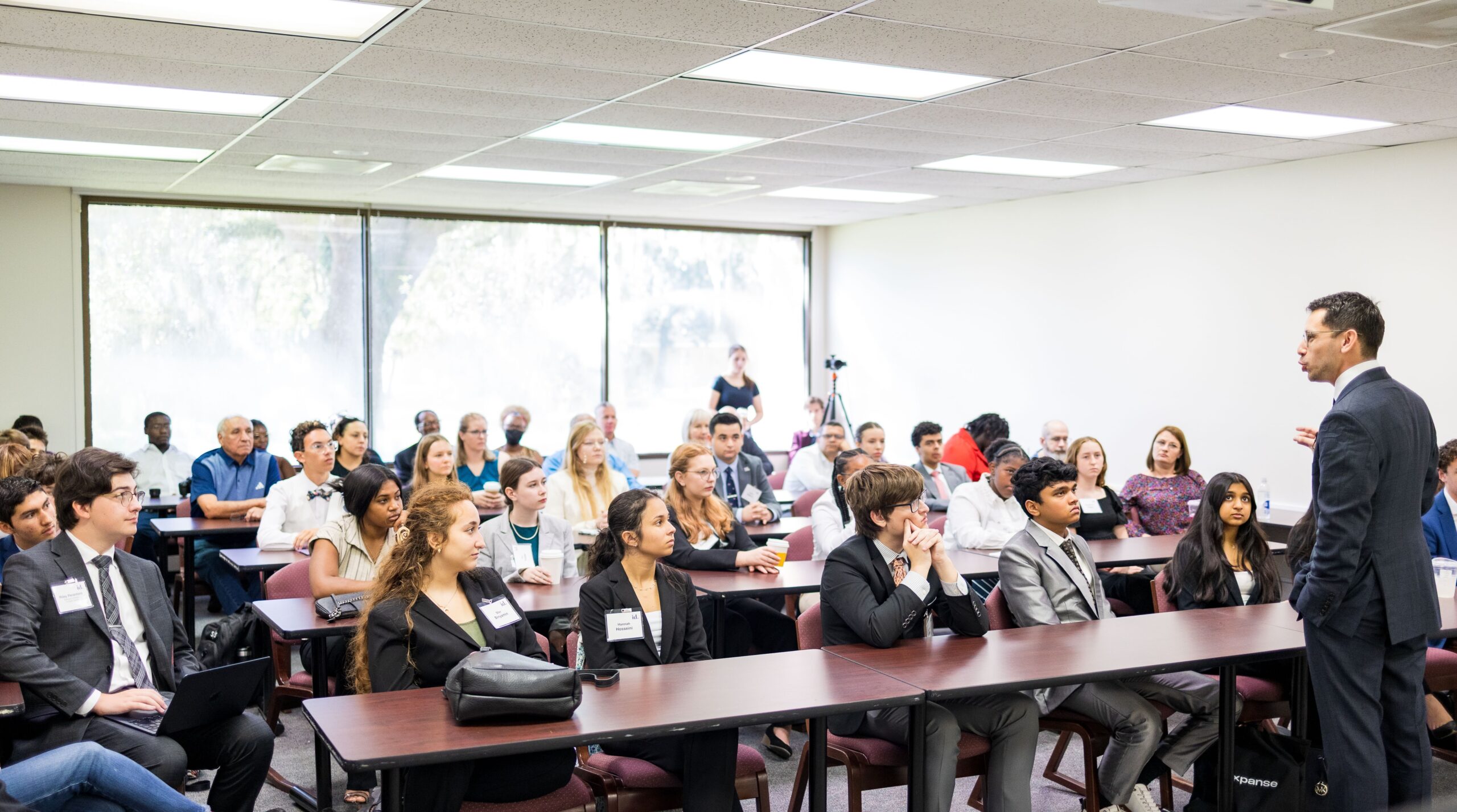 Photo: Fishback for Florida Governor, campaign-provided image.
The Conservative View
Conservatives who support restrictions on race-based guilt instruction argue that public schools should teach American history without assigning moral responsibility to children for acts they did not commit. They also argue parents have a right to expect civics, reading, math, science, and history to be taught without political pressure in the classroom.
DeSantis used similar language when his administration promoted the Stop WOKE proposal. In a Florida Department of Education release, DeSantis said, "We won't allow Florida tax dollars to be spent teaching kids to hate our country or to hate each other."
Fishback's campaign language follows that lane but adds a personnel consequence. The campaign's issues page says he would "block ideological programs in public schools" and "restore classroom focus on reading, math, science, and civics."
The Progressive View
Teacher unions and civil rights groups argue that Florida's rules can chill honest instruction about race, discrimination, and U.S. history. Their concern is not only what the statutes say, but how teachers and districts interpret the risk of discipline.
The National Education Association's Florida guidance says the law does not prohibit discussing listed concepts if instruction is objective and without endorsement. That guidance frames the central dispute as one over how teachers can cover required history while avoiding state-defined advocacy.
The American Civil Liberties Union, discussing litigation over Florida's Stop WOKE Act in higher education, said a federal injunction blocked enforcement in colleges and universities, while "K-12 schools are still being impacted by this classroom censorship law." The ACLU's position puts free expression and academic freedom at the center of the dispute.
Other Perspectives
School districts sit in the middle. District leaders have to comply with state curriculum rules, answer to elected school boards, manage teacher contracts, respond to parent complaints, and avoid litigation.
Parents are also divided. Some parents support stronger restrictions because they believe schools have crossed from teaching history into political instruction. Others worry that broad enforcement could make teachers avoid difficult subjects, including slavery, segregation, civil rights, and current debates over discrimination.
Teachers face the operational problem. Florida requires instruction on African American history and other civic subjects, but also restricts compelled guilt and classroom persuasion. That means lesson planning depends on both the content of a class and the way the teacher frames it.
By the Numbers
Florida Division of Elections records list Fishback as an active Republican candidate for governor, filed Nov. 24, 2025.
Florida Statute 1003.42 requires instruction in multiple civic and history subjects, including African American history, Holocaust education, U.S. history, and the Constitution.
Florida Statute 1012.33 says instructional staff may be dismissed during a contract term only for just cause.
Florida Department of Education guidance says Professional Practices Services handles educator certificate allegations, not local employment decisions.
What People Are Saying
"If they try to impose white guilt on our students, they will not be public school teachers if I am governor," Fishback said in the video transcript.
"Fishback will block ideological programs in public schools, restore classroom focus on reading, math, science, and civics," his campaign issues page says.
"We won't allow Florida tax dollars to be spent teaching kids to hate our country or to hate each other," DeSantis said in the Florida Department of Education release announcing his Stop WOKE proposal.
"But the law does not prohibit discussing those concepts as part of instruction or training so long as the instruction is given in an objective manner without endorsement," the National Education Association's Florida guidance says.
The Big Picture
Fishback's statement puts him inside one of Florida politics' defining education arguments, but the legal machinery is more complicated than the campaign line. State law already restricts compelled race-based guilt instruction, while other statutes require history and civics instruction and route teacher discipline through district and state processes.
The next question is whether Fishback turns the pledge into a specific enforcement plan. The details to watch are whether he names the Department of Education, the State Board of Education, district school boards, new legislation, or certificate discipline standards, and whether teachers unions, school boards, civil rights groups, or rival candidates respond on the record. Those details will determine whether the promise remains campaign language or becomes a testable governing agenda.