Trump Says Iran Nuclear Proposal Has One Bottom Line: No Bomb
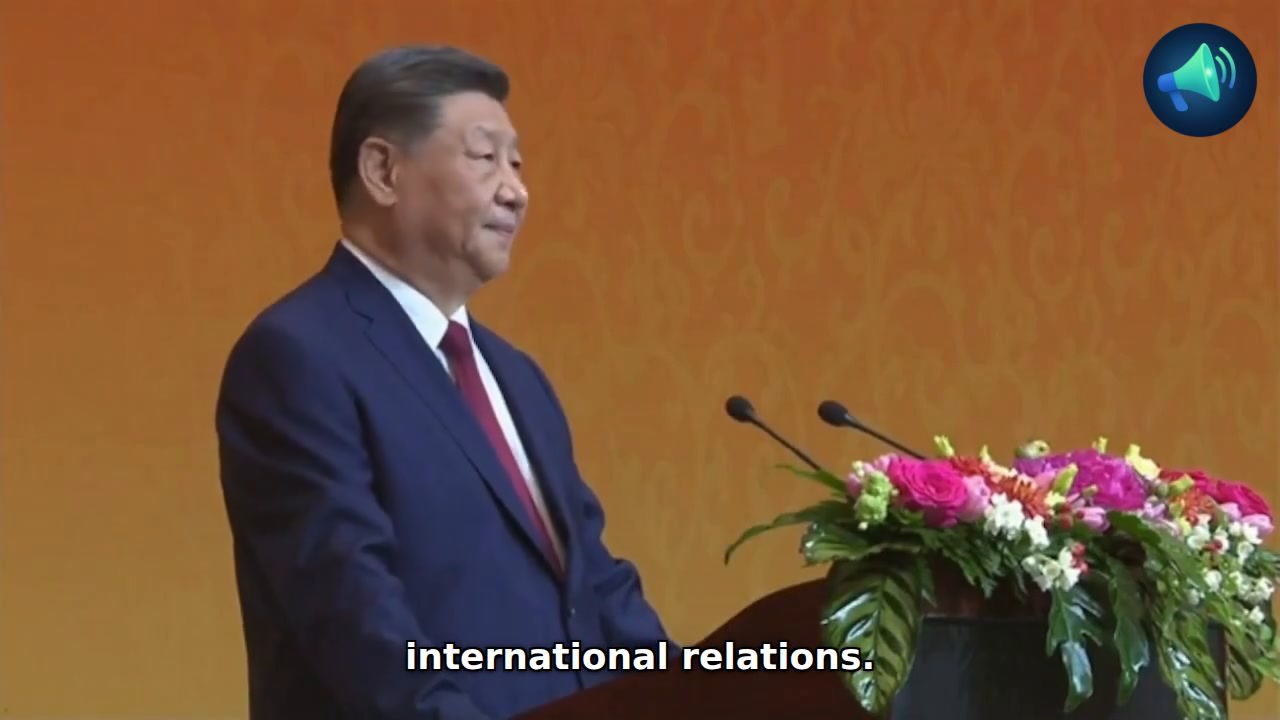
The submitted video shows Trump compressing his Iran position into one sentence after a reporter asks about a proposal: "Iran cannot have a nuclear weapon."
WASHINGTON - Donald Trump told reporters that his position on Iran could be reduced to a "very simple plan," saying in a short press-availability clip that Tehran cannot be allowed to obtain a nuclear weapon.
The submitted video opens with a reporter asking Trump about a proposal. The local transcript is noisy on part of the question, and the clip does not identify the proposal by name. That means editors should verify the full event, the question and any White House or diplomatic record before changing this published-file draft status.
The article video is attached as the hero so readers can hear Trump's exact wording. The body does not repeat the playable video or use frames from it as supporting art.
What Trump Said

After the reporter's question, Trump rejected the idea that he lacked a plan for Iran. The local transcript records him saying the proposal was "unacceptable," then turning to his own bottom line.
"I have the best plan ever."
Trump, according to the local video transcript.
Trump then said Iran had been "defeated militarily" and claimed any remaining military buildup could be handled quickly.
"Well, knock that out in about a day."
Trump, according to the local video transcript.
He closed the answer by framing the policy as a nuclear red line.
"But I have a plan. You know what it is? A very simple plan. I don't know why you don't say it like it is. Iran cannot have a nuclear weapon."
Trump, according to the local video transcript.
The clip ends before he explains whether that plan means a diplomatic agreement, renewed sanctions, military threats, inspections, enrichment limits or some mix of those tools. That missing detail is why the exact transcript and surrounding event record matter.
Why The Clip Matters
The video captures Trump speaking in his own words, not through a campaign statement or a secondhand summary. His answer blends a broad claim of military advantage with a hard declarative position on Iran's nuclear program.
That formulation is politically useful because it is simple. "No bomb" is easier for voters to understand than centrifuge counts, enrichment levels, snapback sanctions or inspection protocols. It also leaves open a major policy question: what would the United States accept from Iran short of a weapon, and what would it do if Iran refuses restrictions?
U.S. policy toward Iran has long centered on preventing a nuclear weapon. The State Department has described that objective across administrations, while the International Atomic Energy Agency has reported disputes over Iranian enrichment, monitoring access and safeguards cooperation. Iran has said its nuclear program is peaceful, while U.S. officials and allies have argued that Tehran's activities create proliferation risk.
The Policy Context

The last major nuclear framework, the Joint Comprehensive Plan of Action, was endorsed through United Nations Security Council Resolution 2231 in 2015. The United States withdrew from that agreement in 2018 during Trump's first term, according to the public U.S. government record, and the dispute over sanctions, enrichment and inspections has continued since then.
A presidential statement that Iran "cannot have a nuclear weapon" is therefore not the full policy. It is the endpoint. The real negotiations usually turn on enrichment caps, stockpile limits, inspection authority, sanctions relief, missile activity and what happens if inspectors cannot verify compliance.
The National Nuclear Security Administration describes nonproliferation as a mix of detection, security, material control and international cooperation. That framework shows why a one-sentence red line still needs mechanisms behind it. A president can state the objective, but agencies and diplomats have to define how the objective is verified and enforced.
The National Interest Question
For American voters, the stakes are not abstract. A nuclear-armed Iran would affect U.S. forces in the Middle East, Israel and Gulf partners, energy markets, shipping routes and the risk of a broader regional war. A military strike or failed negotiation could also affect Americans through defense spending, oil prices and deployments.
Supporters of Trump's hard line argue that clarity deters adversaries and reassures allies. They say Iran's leadership should know the United States will not accept a nuclear weapon, regardless of diplomatic process or market pressure.
Critics argue that slogans do not answer the operational questions. They want to know whether Trump is pursuing a verifiable agreement, preparing military action, tightening sanctions or using public pressure to shape private talks. They also warn that a maximalist line without a defined path can raise the risk of miscalculation.
The verification question is especially important because nuclear policy turns on evidence, not only intent. Inspectors, intelligence agencies and diplomats need measurable terms such as enrichment levels, stockpile size, centrifuge operation, declared sites and access to undeclared locations. A president's red line tells allies and adversaries the desired outcome, but the enforcement system determines whether that outcome can be trusted.
The domestic politics are also complex. Some voters support a hard line because they see Iran as a hostile regime that threatens Americans and U.S. allies. Others want fewer foreign commitments and will judge any Iran plan by whether it avoids another military entanglement. Trump's short answer speaks to the first concern more directly than the second.
What People Are Saying

"I have the best plan ever."
Trump, according to the local video transcript.
"A very simple plan."
Trump, according to the local video transcript.
"Iran cannot have a nuclear weapon."
Trump, according to the local video transcript.
The local transcript also records Trump calling Iran "very dangerous" and "very volatile." The clip ends before he defines the proposal, the negotiating terms or the enforcement plan.
What To Watch
The first thing to watch is whether the White House releases an official transcript or whether a full pool report identifies the proposal in the reporter's question. The second is whether U.S. officials connect Trump's red line to specific negotiating demands, such as enrichment limits, inspection access or sanctions relief.
Congressional reaction also matters because Iran policy can involve sanctions law, military authorization questions and oversight of any agreement. If the administration presents a deal, lawmakers will ask whether the verification terms match the president's public promise that Iran cannot obtain a nuclear weapon.
The Big Picture
Trump's answer is clear as a political message and incomplete as a policy blueprint. He said his plan is simple: Iran cannot have a nuclear weapon. The next stage is whether the administration supplies the diplomatic, legal and military details that turn that sentence into enforceable policy.
Until editors verify the full event context, this file should remain in draft status with the existing hero video preserved.