Trump Says Critics Were Wrong About $300 Oil Warning
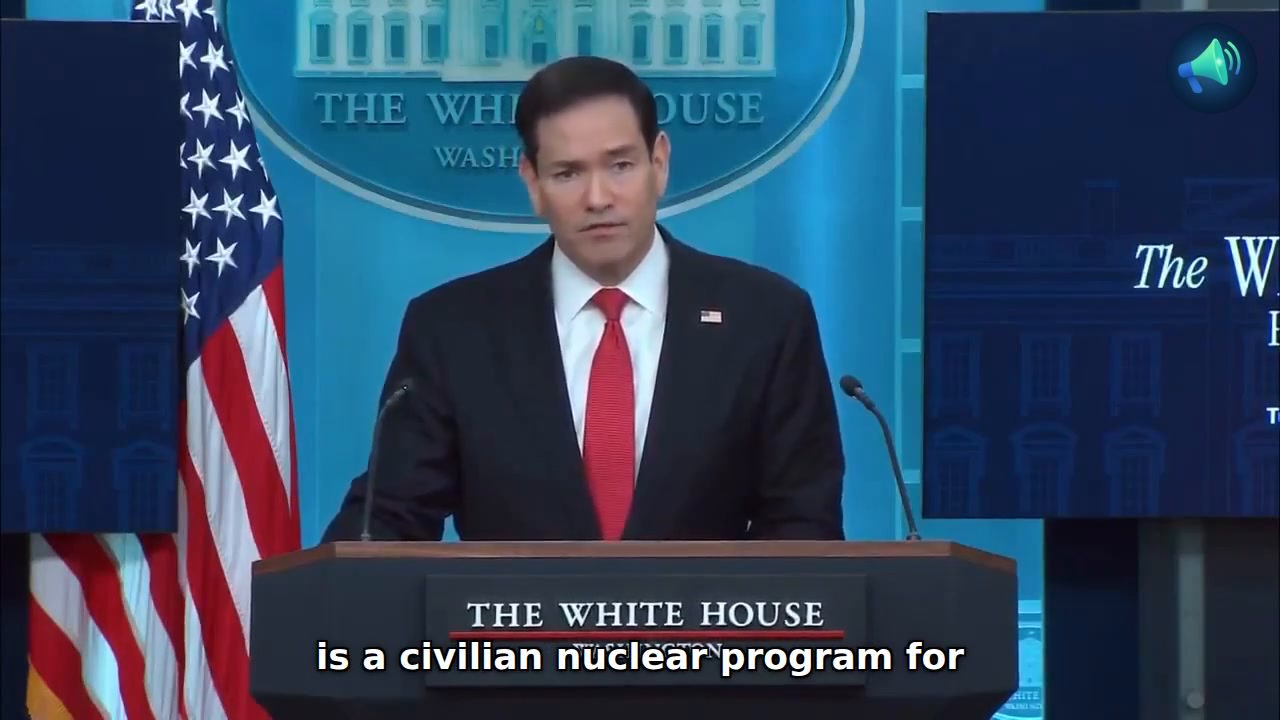
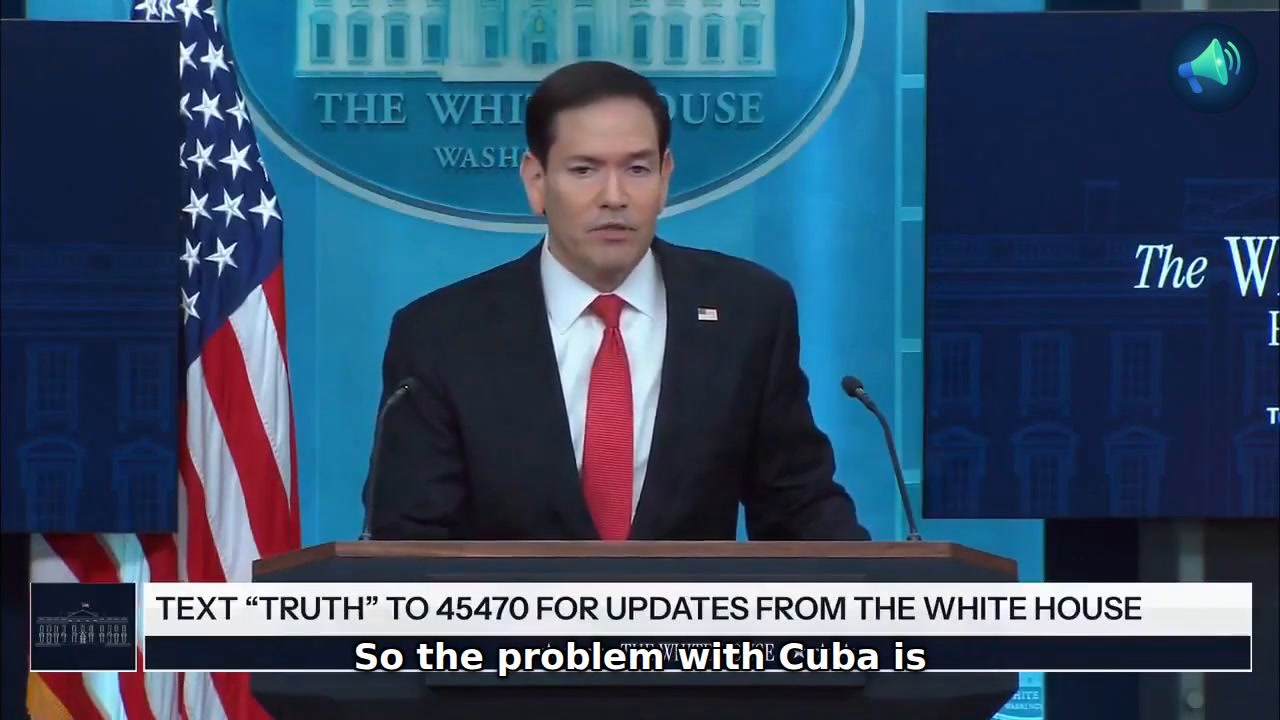
WASHINGTON, D.C. - President Donald Trump said Monday that warnings about oil reaching $300 a barrel after the Iran war had not come true, using energy prices to defend his handling of the conflict during White House remarks for National Small Business Week.
Trump did not identify who made the $300 warning. Energy data from the U.S. Energy Information Administration shows crude prices rose sharply during the first quarter, but the public market data reviewed for this article showed prices far below $300 when Trump spoke.
What Happened
C-SPAN identified the May 4 event as Trump's remarks at a Small Business Summit in the White House East Room. The White House said the event was tied to National Small Business Week and featured small business owners from across the country.
According to the Roll Call Factbase transcript, Trump turned to energy prices while arguing that critics had been wrong about the economic fallout from the Iran war.
"Where's Chris? Except we were, everybody was wrong. They thought that energy would be at $300. Right, $300 a barrel? And it's, uh, like at $100 and I think going down. And I see it going down very substantially when this is over, Chris."
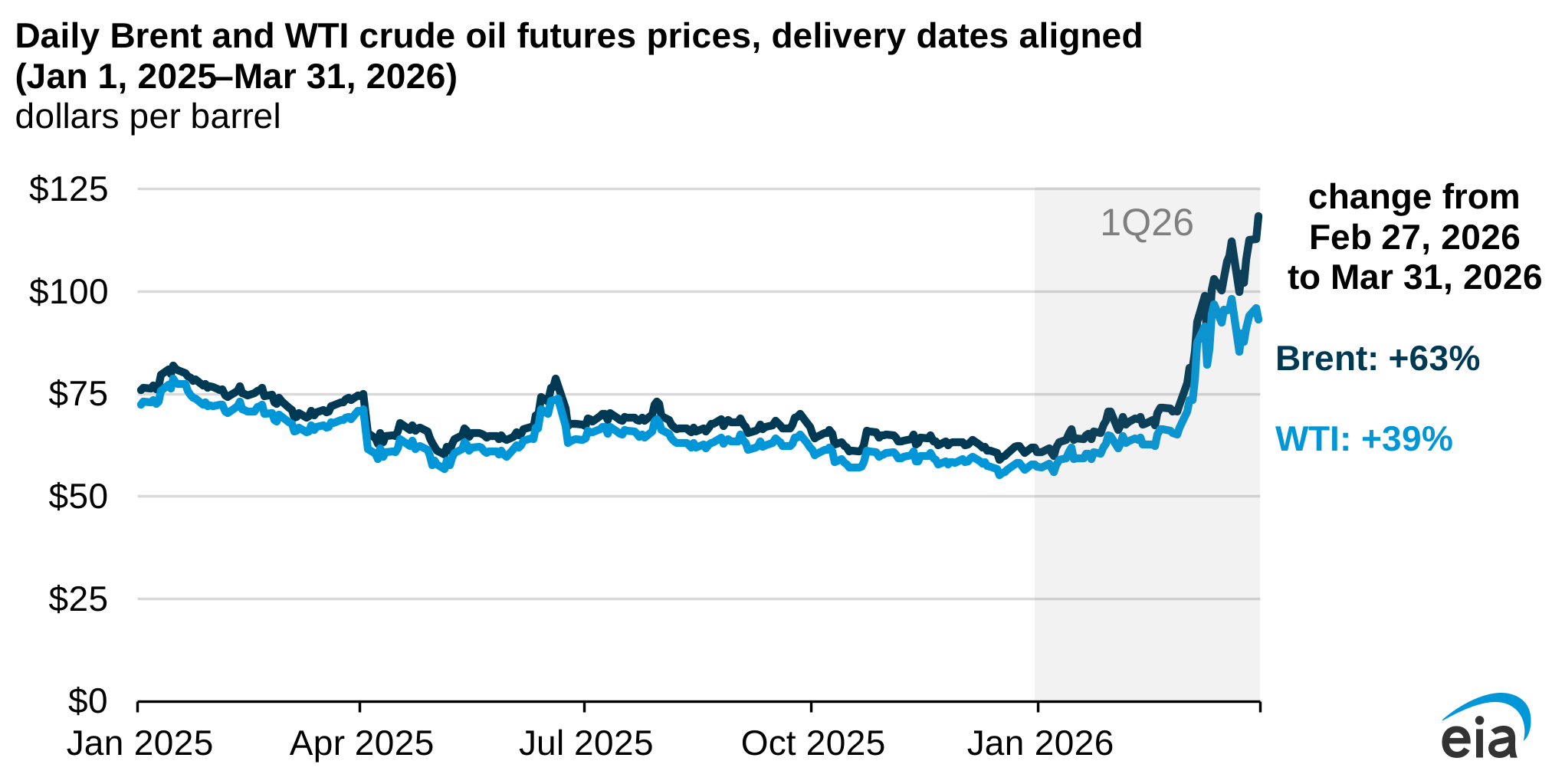 Chart: U.S. Energy Information Administration, Today in Energy (public domain).
EIA's April 7 market review said front-month Brent crude futures started 2026 at $61 per barrel and finished the first quarter at $118 per barrel after military action in the Middle East on February 28 and the de facto closure of the Strait of Hormuz. EIA said Brent passed $100 per barrel on March 12.
The distinction matters because Trump said "energy" but immediately referred to prices "a barrel." In market terms, EIA's data shows he was talking about crude oil benchmarks, not all energy prices. WTI was closer to the $100 level cited by Trump, while Brent was higher.
The Response
The White House framed the broader event as part of Trump's economic message to small businesses. SBA Administrator Kelly Loeffler said in the White House release that the administration had "cut taxes and regulations, restored fair trade and public safety" and that the country's 36 million small businesses had "the confidence to hire, reinvest and expand."
Supporters of Trump's argument can point to the gap between the worst warnings he cited and the actual benchmark prices available at the time of his remarks. EIA data showed a severe oil shock, but not a $300-per-barrel market.
Critics have a different opening. EIA's data also shows the conflict delivered a major price spike for households and firms, with Brent nearly doubling from the start of the year to the end of March. EIA said the U.S. average retail gasoline price reached $3.99 per gallon on March 30 and diesel reached $5.40 per gallon, the highest in real terms in more than two years.
Independent energy analysts would likely focus less on the political claim and more on the benchmark. EIA's April 24 analysis said Dated Brent spot prices moved to a premium of more than $25 per barrel over front-month Brent futures in early April, a sign of extreme near-term market tightness after the Strait of Hormuz closure.
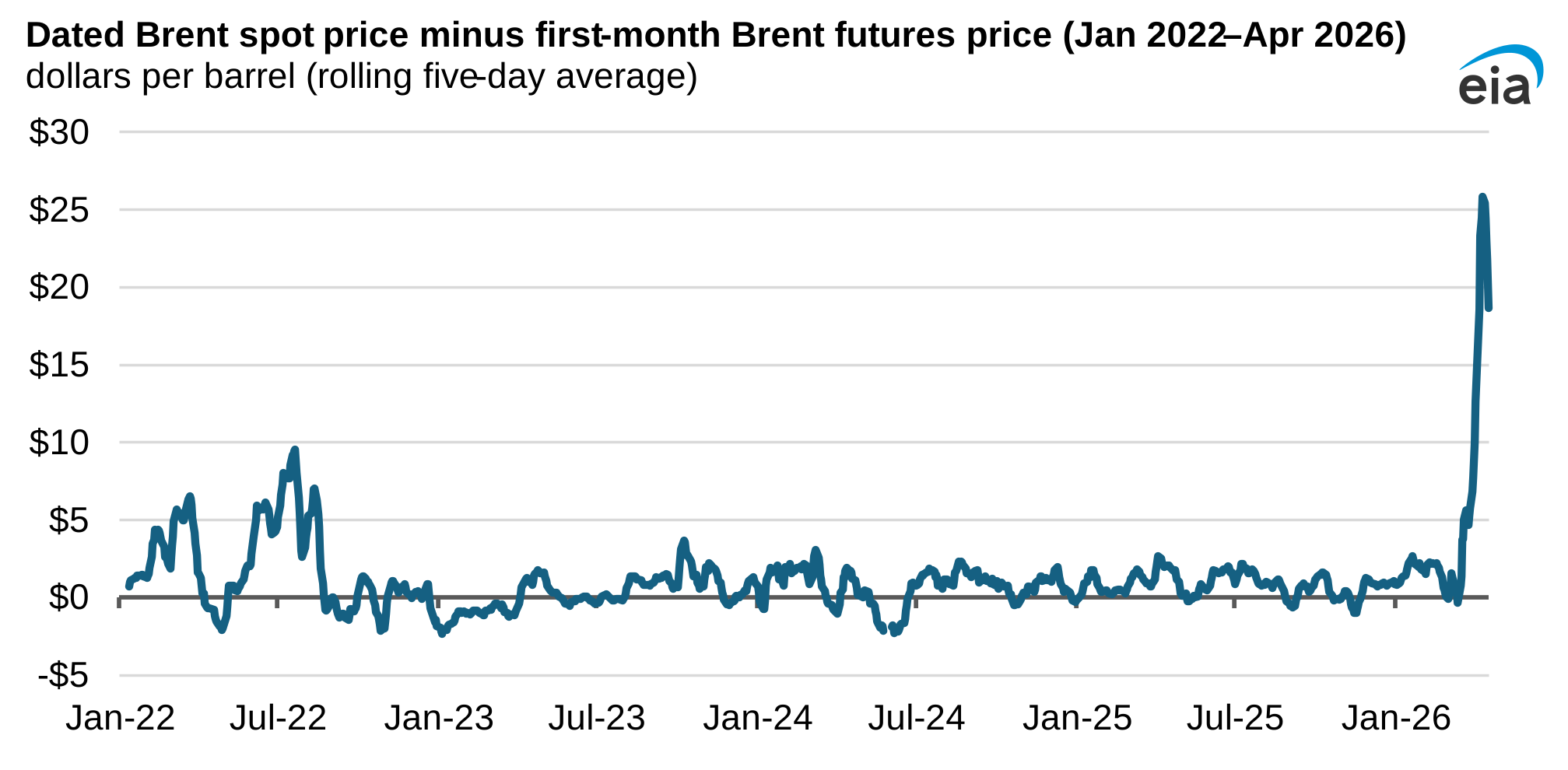 Chart: U.S. Energy Information Administration, Today in Energy (public domain).
Economic Implications
The economic mechanism is straightforward. A Hormuz disruption reduces available crude shipments, refiners compete for replacement barrels, near-term contracts rise faster than later contracts, and transportation fuel costs climb for American households and businesses.
EIA's April 30 analysis said the Department of Energy released 17.5 million barrels from the Strategic Petroleum Reserve between the weeks ending March 20 and April 24. EIA said the United States was in the process of releasing 172 million barrels as part of an International Energy Agency coordinated release of 400 million barrels of crude oil and refined products.
CME Group's April analysis said WTI spot prices rose 48 percent from $67.02 per barrel at the February 27 market close to around $99 by the afternoon of April 9. CME said May and June WTI futures were priced higher and were more volatile than contracts further out because the supply crunch was concentrated in near-term barrels.
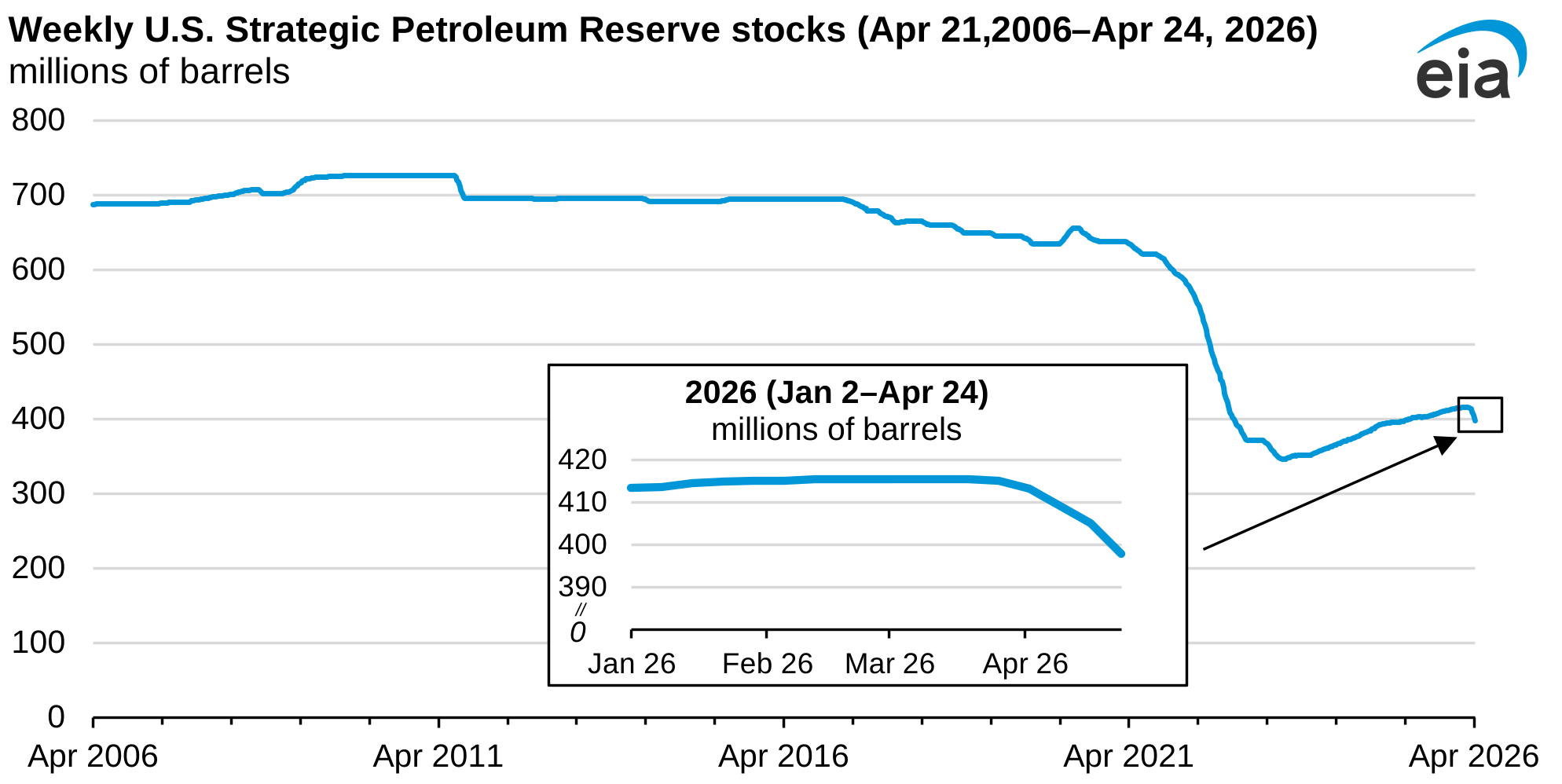 Chart: U.S. Energy Information Administration, Today in Energy (public domain).
What People Are Saying
"They thought that energy would be at $300. Right, $300 a barrel? And it's, uh, like at $100 and I think going down."
Donald Trump, president, according to the Roll Call Factbase transcript of his May 4 White House remarks.
"After beginning the year at $61 per barrel, the front-month futures price of Brent crude oil finished the quarter at $118 per barrel." - U.S. Energy Information Administration, April 7 Today in Energy review.
"The Dated Brent spot price increased to a premium of more than $25 per barrel compared with the front-month Brent futures contract in early April." - U.S. Energy Information Administration, April 24 Today in Energy analysis.
"Between the market close on Friday, February 27 and the afternoon of April 9, the spot price rose by 48% from $67.02 per barrel to around $99." - CME Group, April 2026 oil futures analysis.
The Big Picture
Trump's statement is directionally supported on the narrow question of whether crude oil reached $300 per barrel. The stronger test for voters and energy markets is whether prices keep falling as the conflict eases, and whether emergency stock releases can bridge the gap without leaving the reserve exposed later.
For Americans, the practical measure is not the political argument over a worst-case forecast. It is the price paid for gasoline, diesel, air travel, shipping, and imported goods if Middle East supply routes remain unstable.