Trump Tells Oval Office Children Iran Was Weeks From Nuclear Weapon
WASHINGTON - President Donald Trump told children gathered around the Resolute Desk that Iran would have had a nuclear weapon within two weeks, tying a White House fitness proclamation event to his administration's military campaign against Tehran.
The remarks came Tuesday during an Oval Office appearance for National Physical Fitness and Sports Month, according to a White House proclamation dated May 5. The official proclamation focused on youth athletics, the President's Council on Sports, Fitness, and Nutrition, and the Presidential Fitness Test. A video clip from the event showed Trump moving from sports and fitness to Iran while children and officials stood around the desk.
What Happened
Trump said the United States had to act against Iran because, in his telling, Tehran was close to obtaining a nuclear weapon. The video transcript reviewed with the intake clip shows Trump saying, "They would have had a nuclear weapon and within two weeks," before referring to a B-2 bomber mission.
 Video frame: Trump Oval Office remarks via @SpencerHakimian on X.
Trump also said the United States "blew up their nuclear potential" and described the operation as "a very important thing." He added, "So we would have had an Iran with a nuclear weapon and maybe we wouldn't all be here right now. I can tell you the Middle East would have been gone, Israel would have been gone."
The caption on the social post paraphrased the moment more sharply than the transcript supports. The clip does not show Trump saying Iran was "two weeks away from killing you." The transcript-supported account is that Trump told the children Iran would have had a nuclear weapon within two weeks and said maybe "we wouldn't all be here right now."
The White House event itself was formally tied to fitness policy. In the May 5 proclamation, Trump said his administration was promoting sports participation, expanding access to athletic opportunities, and calling on Americans to be involved in physical activity, "especially our Nation's youth."
The Iran Context
The comments fit a broader administration message that the U.S. military campaign against Iran was meant to prevent Tehran from obtaining a nuclear weapon. In an April White House release on Operation Epic Fury, the administration said its objectives were to destroy Iran's missile capability, damage its navy, cut off support for terrorist proxies, and ensure Iran never acquires a nuclear weapon.
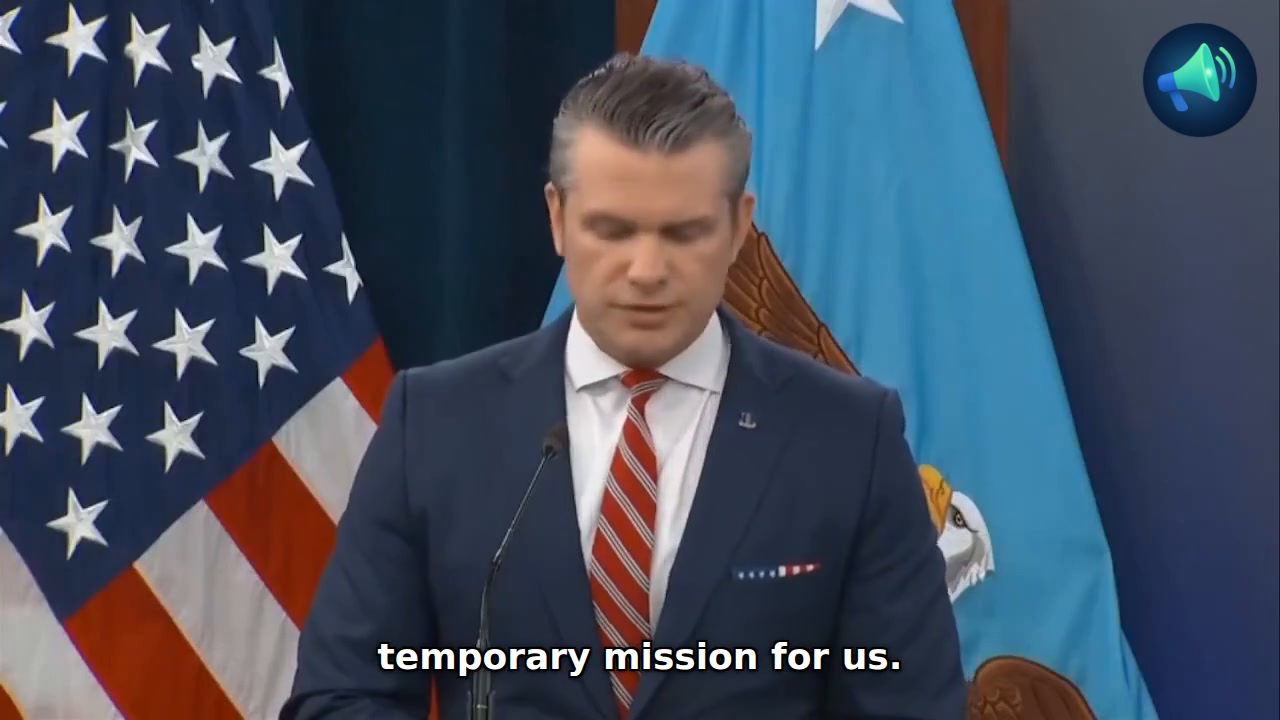
White House Press Secretary Karoline Leavitt said in that release that the operation would "guarantee Iran can never obtain a nuclear weapon." Secretary of War Pete Hegseth was quoted in the same release saying the mission was focused on destroying Iran's missiles, drones and production facilities, and "sever their pathway to nuclear weapons."
 Video frame: Trump Oval Office remarks via @SpencerHakimian on X.
The International Atomic Energy Agency has reported that Iran had produced and accumulated uranium enriched up to 60 percent U-235, a level far above what is used in standard civilian nuclear power programs but below weapons grade. The IAEA report did not say Iran had built a nuclear weapon. That distinction matters because Trump made the two-week claim as a presidential assertion, not as a quoted finding from the IAEA in the available source material.
The Response
Supporters of Trump's approach argue that the United States has to prevent Iran from crossing the nuclear threshold before diplomacy runs out of time. The administration's April release framed the campaign as a national security operation aimed at protecting U.S. forces, partners, and interests in the region.
Critics of broad presidential war powers are likely to focus on the setting and the legal frame. The Congressional Research Service says the War Powers Resolution was designed to give Congress procedures for withdrawing U.S. forces from hostilities when Congress has not authorized them. That debate has followed earlier Iran strikes and would become sharper if military action resumes.
Arms control analysts generally separate enriched uranium stockpiles from a finished weapon. The IAEA's safeguards reporting provides evidence about Iran's enrichment levels and monitoring disputes, while the political question of whether those facts justify military action remains contested in Washington.
What People Are Saying
"They would have had a nuclear weapon and within two weeks," Trump said in the Oval Office clip, according to the video transcript.
"Maybe we wouldn't all be here right now," Trump said. "I can tell you the Middle East would have been gone, Israel would have been gone."
"This National Physical Fitness and Sports Month, we celebrate the strength, discipline, and competitive spirit that reflect the American people," Trump said in the White House proclamation.
"The mission is laser-focused: obliterate Iran's missiles and drones and facilities that produce them, annihilate its navy and critical security infrastructure, and sever their pathway to nuclear weapons," Hegseth said in the April White House release.
The Big Picture
The moment is politically potent because of where it happened and who was in the room. Trump was not speaking at a campaign rally or a national security briefing. He made the nuclear-war claim while children stood around the Oval Office for a fitness proclamation.
The next test is whether the White House releases a full transcript or video that adds context around the clip. Until then, the verified record shows Trump using a youth fitness event to restate his central Iran argument: that military force was needed because he believed Tehran was close to obtaining a nuclear weapon.