Trump Says He Could Hire A Million Workers With One Swipe

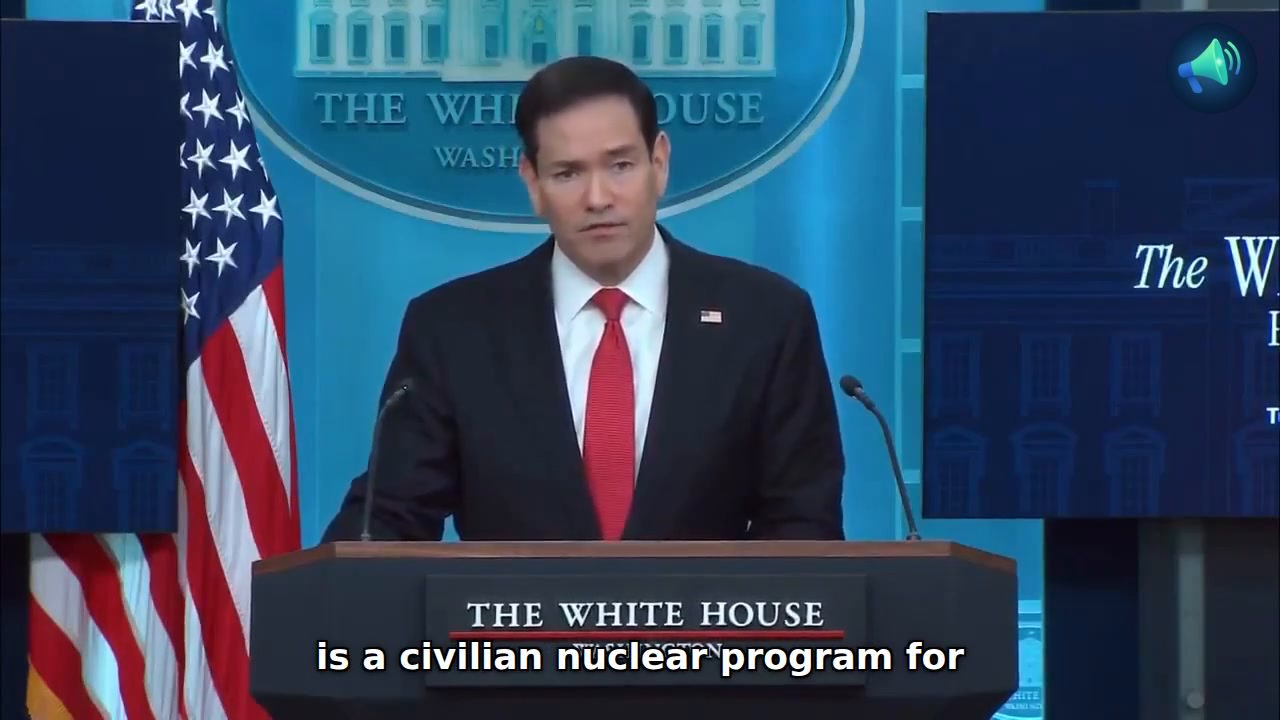
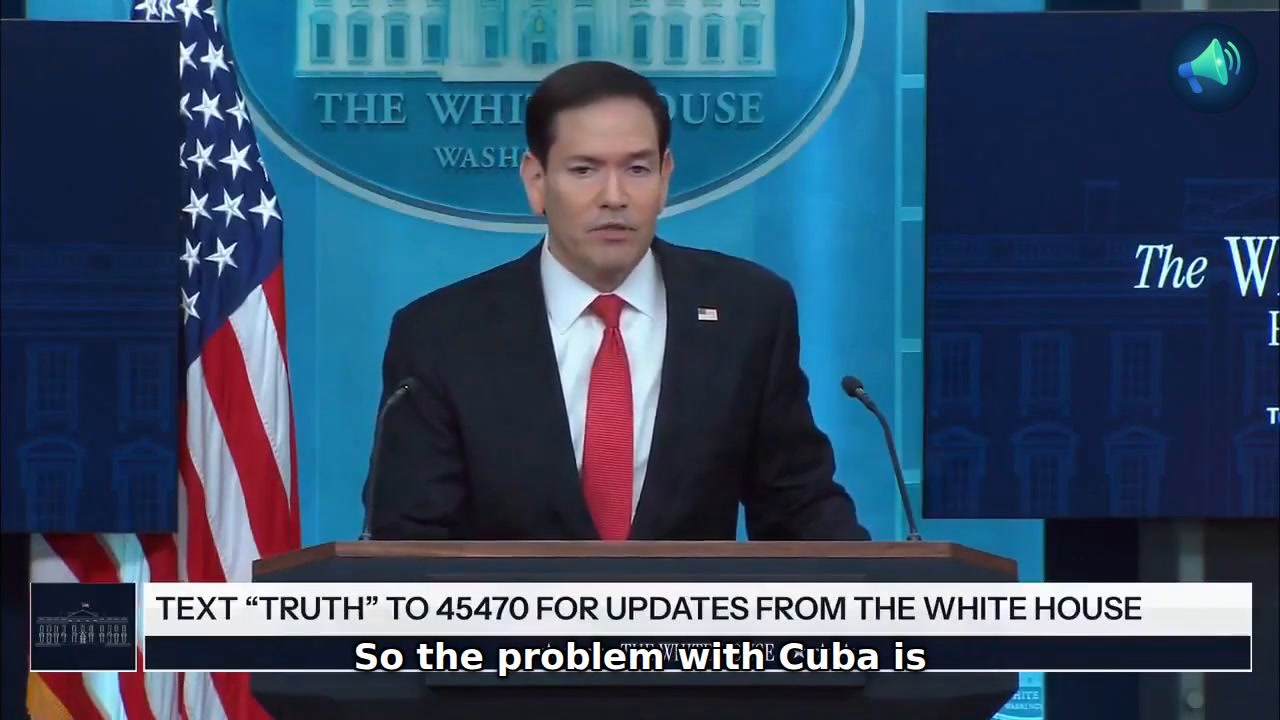
WASHINGTON, D.C. - President Donald Trump told a White House small business summit that he could make employment figures look better by hiring one or two million federal workers with "one swipe of the pen," then defended his administration's federal workforce cuts as a deliberate move away from government hiring.
The remark came during Trump's May 4 National Small Business Week event, where the White House said he appeared with small business owners and promoted the administration's economic agenda. A full-event video posted by C-SPAN and an event transcript reviewed in the research brief place the exchange roughly 18 minutes into his remarks.
Trump did not announce a plan to hire a million workers. He used the example as a hypothetical, arguing that prior administrations could improve headline job numbers by adding federal employees while his administration has taken the opposite approach.
What Trump Said
Trump framed the issue around government payrolls, unemployment statistics and federal job cuts.
"So we had to cut the jobs because we were way bloated with federal jobs," Trump said, according to the verified transcript excerpt in the research brief. "And, you know, I could make, I could with one swipe of the pen, I could say, let's have no employment and I'll hire a million people or two million people."
The verified wording is "no employment," even though Trump appeared to be discussing jobless or employment statistics. The article quotes that wording as transcribed and does not change it to "no unemployment."
Trump then said a large federal hiring push would make the numbers look better.
"I say, we just hired a million people and we have absolutely no employment," Trump said. "They'd have bad numbers coming up, so they'd hire a couple of hundred thousand people and the numbers would look OK. With me, it's the exact opposite. We terminate a lot of federal jobs that are unnecessary."
Trump added that displaced workers would be better off later. "And they don't like me for doing it, but a year later, they like me because they end up having a much better job," he said.
The Data Behind The Claim
The labor market data does not work as simply as Trump's hypothetical suggests. The Bureau of Labor Statistics says the household survey measures labor force status, including unemployment, while the establishment survey measures nonfarm payroll jobs by industry.
That distinction matters. If the federal government hired one million or two million people, those jobs would raise payroll employment and government employment in the establishment survey. The unemployment rate would only fall mechanically if the new hires were unemployed, counted in the labor force and not replacing workers who already had jobs.
BLS reported that the unemployment rate was 4.3 percent in March 2026 and that 7.2 million people were unemployed. Total nonfarm payrolls rose by 178,000 in March, according to BLS. Federal government employment declined by 18,000 that month and was down 355,000, or 11.8 percent, from its October 2024 peak.
Those numbers support one part of Trump's broader point: federal employment has fallen sharply under his administration. They do not support the idea that one executive hiring decision would erase unemployment.
The Federal Workforce Shift
Office of Personnel Management data cited in the research brief shows 2,028,138 federal civilian employees currently serving and a net decline of 271,825 employees since Jan. 20, 2025. OPM's workforce changes data also shows 138,541 Deferred Resignation Program participants.
OPM's public release gave a larger expected-exit figure. The agency said approximately 317,000 federal employees were expected to leave government service this year, with more than 90 percent leaving through voluntary programs and natural attrition. OPM said only 68,000 new federal employees were hired during that period because of the hiring freeze and mission-critical hiring limits.
OPM Director Scott Kupor defended the cuts as a government reform effort.
"President Trump was clear from day one: the federal workforce must be accountable, performance-driven, and focused on serving the American people," Kupor said in the OPM release. "This year, OPM delivered on that vision, modernizing government operations, rewarding excellence, and putting taxpayers first."
The White House also tied the summit to small business hiring. SBA Administrator Kelly Loeffler said in a White House release that the nation's 36 million small businesses "now have the confidence to hire, reinvest and expand."
 Photo: G. Edward Johnson / Wikimedia Commons / CC BY 4.0
The Policy Fight
Trump's October 2025 hiring order shows the federal workforce cuts are not just a rhetorical point. The order said no vacant federal civilian position may be filled and no new position may be created except under the order or as required by law. It also directed agencies to form Strategic Hiring Committees and prepare staffing plans coordinated with OPM and the Office of Management and Budget.
OPM followed with a March 2026 Federal Register proposal to revise reduction-in-force rules. The proposal says OPM wants RIF rules to be more streamlined, efficient and merit-based by prioritizing performance over tenure and length of service when deciding which employees are retained. Comments were due May 4, the same day Trump made the small business summit remarks.
Supporters of the administration's approach say the federal government had become too large and too disconnected from performance. OPM's release says the cuts focused resources on statutory responsibilities and administration priorities rather than bureaucratic expansion.
Critics say the reductions are weakening public services and civil-service safeguards. Partnership for Public Service President and CEO Max Stier said in a February statement that more than 300,000 federal workers had been lost and called the reductions "the largest-ever waste of public sector talent in our nation's history."
Stier said the cuts were not targeted reform. "These indiscriminate cuts have starved the government of talent while making it less effective and less accountable," he said.
Sen. Tim Kaine, D-Va., Sen. Chris Van Hollen, D-Md., and other senators urged OPM to reject proposed changes to suitability and RIF appeals. Kaine's office said the senators argued the rules would shift appeals away from the independent Merit Systems Protection Board and toward an internal OPM process, which they described as a conflict of interest.
Sen. Tammy Duckworth, D-Ill., separately criticized reported Veterans Affairs workforce cuts, saying a plan to eliminate more than 35,000 VA health-care positions followed almost 30,000 VA workforce cuts earlier in 2025.
Economic Implications
Federal hiring can move payroll numbers, but it also changes budget costs, local labor markets and agency capacity. A one million worker increase would be far larger than the current federal civilian workforce decline described by OPM and BLS. It would also require salaries, benefits, office capacity, management and appropriated funding unless Congress or agencies identified offsetting authority.
The local effect would not be evenly spread. Federal workforce reductions tend to hit hardest in Washington, D.C., Maryland, Virginia and communities with large agency offices, military support operations, national labs, federal health facilities or regional processing centers. Hiring would flow through those same places first.
The service-capacity tradeoff is the policy dispute. The administration argues fewer federal workers and tighter hiring rules can make government leaner and more accountable. Critics argue sudden workforce losses can slow benefits processing, weaken inspections, reduce veterans' services, drain technical expertise and push costs onto contractors or state governments.
By The Numbers
- 4.3 percent: March 2026 unemployment rate, according to BLS.
- 7.2 million: Number of unemployed people in March 2026, according to BLS.
- 178,000: Total nonfarm payroll jobs added in March 2026, according to BLS.
- 355,000: Decline in federal government employment from its October 2024 peak, according to BLS.
- 2,028,138: Federal civilian employees currently serving, according to OPM data cited in the research brief.
- 271,825: Net decline in federal employees since Jan. 20, 2025, according to OPM workforce changes data cited in the research brief.
What People Are Saying
"I could with one swipe of the pen, I could say, let's have no employment and I'll hire a million people or two million people," Trump said at the White House event.
"With me, it's the exact opposite. We terminate a lot of federal jobs that are unnecessary," Trump said.
"President Trump was clear from day one: the federal workforce must be accountable, performance-driven, and focused on serving the American people," OPM Director Scott Kupor said.
"These indiscriminate cuts have starved the government of talent while making it less effective and less accountable," Max Stier of the Partnership for Public Service said.
"Our nation's 36 million small businesses now have the confidence to hire, reinvest and expand," SBA Administrator Kelly Loeffler said in the White House release.
The Big Picture
Trump's comment put a political frame around a technical question: whether federal employment should count as a legitimate part of job growth or as an inflated government payroll. BLS data treats government workers as workers, while the household unemployment rate measures a different labor-market question.
The next data point comes Friday, when BLS is scheduled to release the April 2026 Employment Situation. That report will show whether federal employment kept falling after March and whether the broader labor market continued to absorb workers outside government.
For voters, the argument is likely to stay concrete. Supporters will judge whether smaller agencies deliver faster and cheaper services. Critics will point to delays, staffing shortages and agency backlogs if cuts show up in daily life.